The fragile peace holding Yemen together since 2022 just blew up.
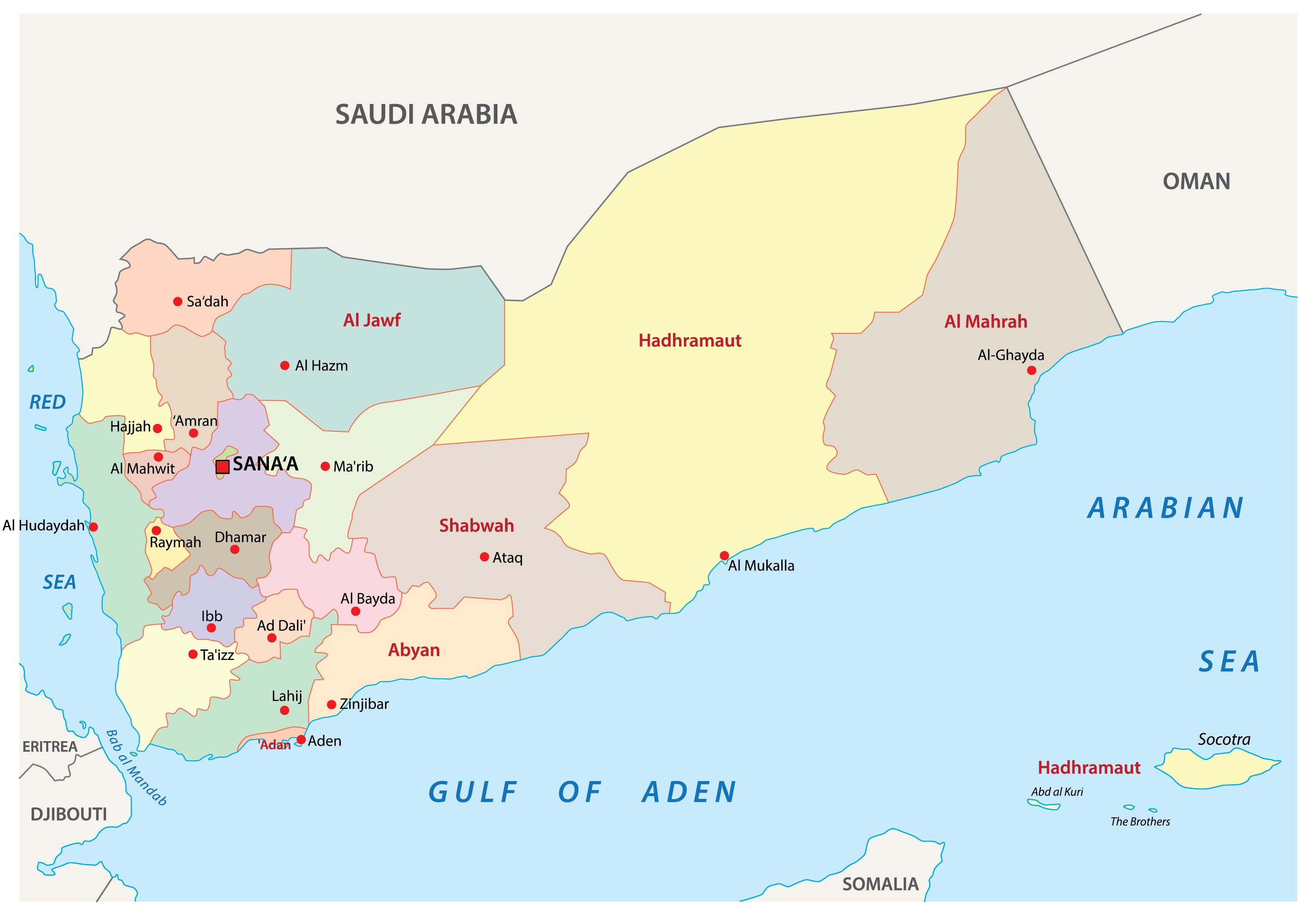
When bombs struck the runway at Houthi-controlled Sanaa International Airport on Monday, it wasn't just another localized skirmish. It was a direct, calculated move by Yemen's internationally recognized government to stop an Iranian aircraft from landing on Yemeni soil.
If you've been following the Yemeni conflict, you know how massive this is. For years, the fighting between the Saudi-backed government and the Iran-aligned Houthi rebels was mostly frozen. This strike shatters that status quo. The regional proxy war is back in the open, and the stakes are incredibly high.
The Battle for the Skies
The immediate trigger for the attack sounds like something out of a spy thriller. A Houthi delegation traveled to Tehran to attend the funeral of Iran's late Supreme Leader. When it was time for them to return, Iran requested permission to fly a Mahan Air flight straight into Sanaa.
The Yemeni government said absolutely not. They offered to fly the delegation back on Yemenia Airways, the national carrier, to keep things official and under oversight. The Houthis refused. They wanted the direct Iranian flight, viewing it as their sovereign right to control the airport.
When the Houthis pushed ahead anyway, the government took decisive action. Yemen's defense ministry stated that because the rebels insisted on letting an Iranian plane violate their airspace, the airport runway became a target.
This isn't just about one plane or one funeral. It's about who actually rules Yemen. For over a decade, any aircraft entering Yemeni airspace needed clearance from the Saudi-led coalition. By flying a direct route from Tehran, the Houthis attempted to bypass the system completely and secure de facto international recognition. The government launched the strike to prevent that from happening.
Reading Between the Blame Lines
What makes this situation particularly tense is the messaging coming from both sides. Immediately after the explosions, the Houthis pointed their fingers directly at Saudi Arabia, calling it a "Saudi aggression" on the runways. Their military spokesperson, Yahya Saree, declared that the attack officially ended the de-escalation phase and warned of severe retaliation against Saudi assets.
Then came the twist.
Instead of hiding behind its powerful Gulf neighbor, the official Yemeni government stepped forward and claimed the attack as its own. Rashad al-Alimi, the head of Yemen's Presidential Leadership Council, explicitly confirmed that government forces executed the strike. But he quickly added a caveat: he ordered that the confrontation remain limited so Iran wouldn't have an excuse to drag Yemen deeper into a wider regional war.
Why would the government openly take credit instead of letting Saudi Arabia take the heat? It's a major assertion of sovereignty. The government is trying to prove it still has teeth, even while operating largely out of Aden in the south while the Houthis hold the capital.
Meanwhile, the Houthis claim the Iranian plane managed to land anyway, bringing in medical patients and stranded citizens. They didn't say where it landed, leaving a cloud of uncertainty over how much damage the runway actually sustained.
Chaos on the Ground
The fallout from the bombing was instant and severe. The Yemeni government ordered all airports across the country to shut down with immediate effect. This total grounding of flights isolates an already vulnerable population.
Worse still are the reports filtering out about humanitarian blockades. Yemen’s Information Minister, Moammar bin Mutahar Al-Eryan, accused the Houthis of detaining an International Committee of the Red Cross (ICRC) aircraft at Sanaa airport, effectively holding the pilot and co-pilot hostage. If true, this shows how reckless the rebels are willing to get to assert their dominance over the airport facility.
What Happens Next
The UN Special Envoy for Yemen, Hans Grundberg, is already scrambling, contacting military leaders on all sides to beg for de-escalation. But honestly, the toothpaste is out of the tube. The 2022 truce, which brought the closest thing to peace Yemen had seen in a decade, is in shambles.
Keep an eye on these critical indicators over the next few days to see where this goes:
- Saudi Arabia's air defenses: If the Houthis follow through on their threats to strike Saudi airports, we could see a massive return to the pre-2022 cross-border missile and drone war.
- The status of the Iranian flight: If more direct flights from Tehran attempt to land without government or Saudi clearance, further airstrikes are practically guaranteed.
- Ground mobilizations: Watch the front lines in places like Ma'rib and al-Jawf. If the frozen conflict thaws in the air, the ground forces will likely start moving next.
The illusion of a stable ceasefire in Yemen is officially over. The battle for control of the country's skies has just re-ignited the fuse.