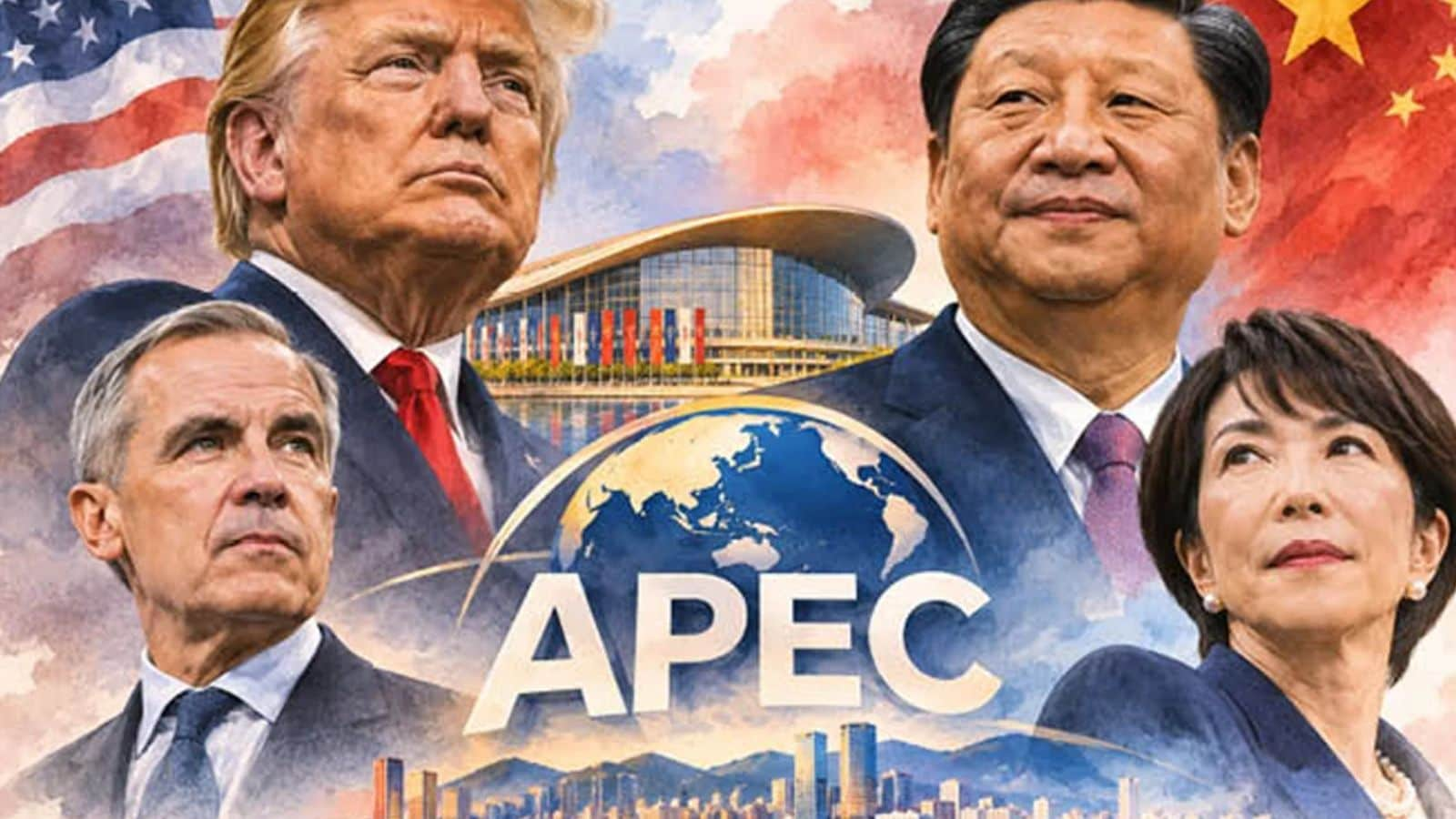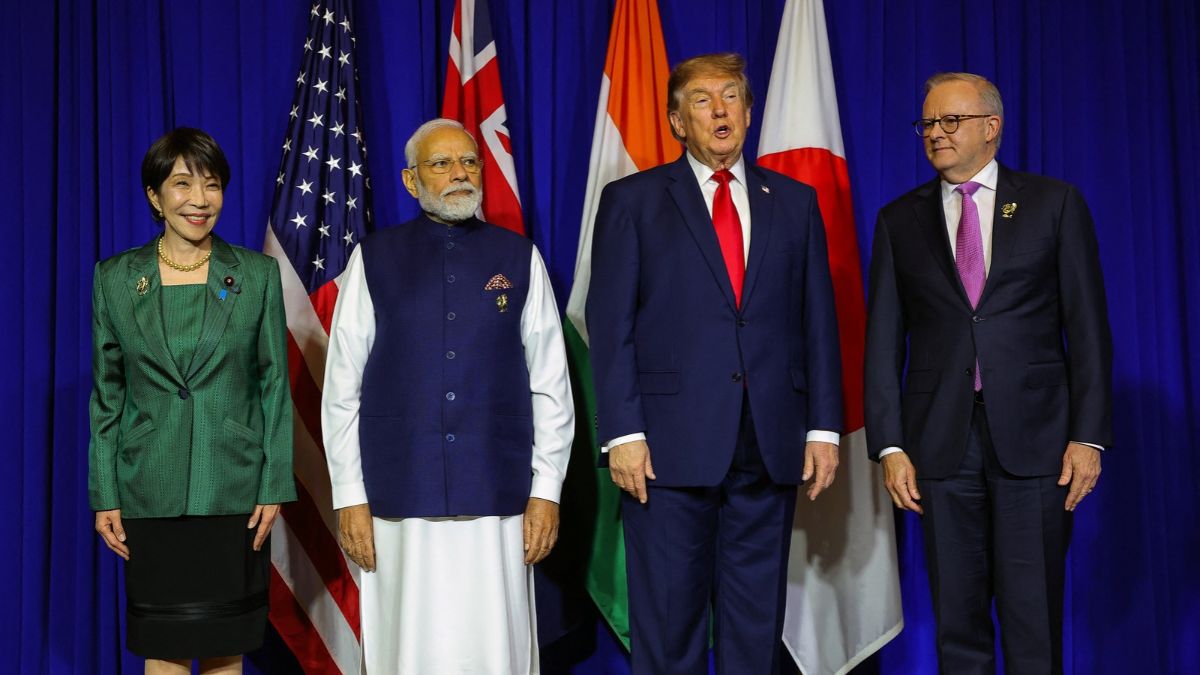
International diplomacy doesn't care about your domestic popularity polls. Japanese Prime Minister Sanae Takaichi is learning this lesson the hard way as regional summits spotlight a deep freeze in Tokyo-Beijing relations.
When leaders gather for high-stakes international forums, the optics matter just as much as the closed-door negotiations. For Takaichi, walking into a diplomatic arena dominated by heavy friction with China means she can't expect warm smiles or easy handshakes. Her staunchly conservative stance and vocal positions on regional security have painted her into a corner that polite diplomatic theater can't easily fix.
The Cost of Uncompromising Rhetoric
Takaichi has built her political brand on a hardline security posture. Her past statements regarding a potential crisis over Taiwan touched a massive nerve in Beijing, triggering intense retaliatory pressure. China doesn't just disagree with her views; Beijing views them as a direct challenge to its core territorial red lines.
When you frame bilateral relations around existential security threats, you lose the luxury of smooth handshakes. Beijing's strategy is predictable. They prefer to let economic weight and strategic ambiguity do the talking. Japanese tourism numbers have taken hits, supply chains for critical minerals face subtle bottlenecks, and diplomatic channels remain icy.
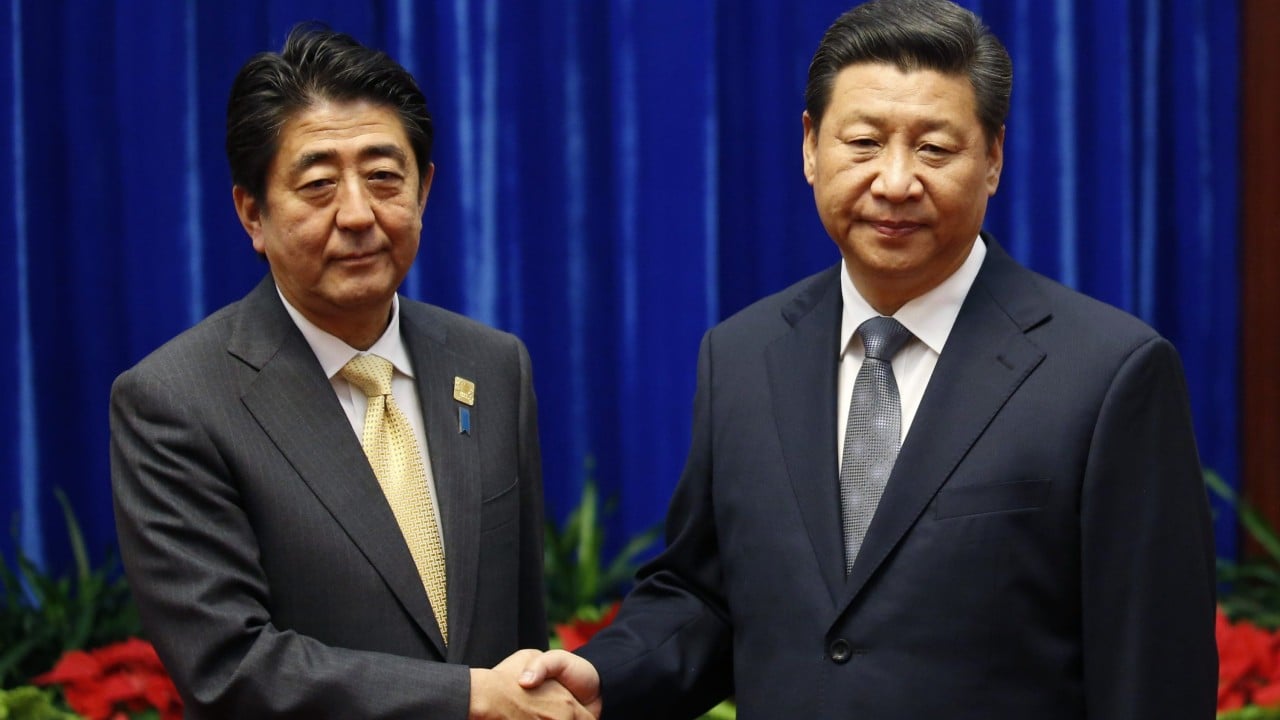
Tokyo keeps hoping for a replay of past diplomatic icebreakers, pointing to historical moments when chilly ties eventually thawed into functional dialogue. But expecting a repeat of previous generations' breakthroughs ignores the current political reality. Beijing expects Tokyo to make the first concrete move to amend the rift over Taiwan. Takaichi, backed by a domestic conservative base that rewards her confrontational stance, has zero incentive to back down.
Domestic Wins Versus Regional Stalemates
Here is where modern politics creates a dangerous paradox. What helps a leader win elections at home often wrecks their capacity for effective foreign statecraft. Takaichi's hardline approach plays exceptionally well with voters who appreciate a leader standing firm against external pressure.
Yet, stubborn domestic popularity doesn't translate into diplomatic flexibility. If Xi Jinping offers nothing more than a stiff, unsmiling greeting—or bypasses formal talks entirely—Takaichi's supporters might spin it as proof of her toughness. But a frosty reception isn't a badge of honor; it's a structural failure of regional communication. Two massive economies sharing a narrow maritime border cannot afford a permanent diplomatic deadlock driven entirely by political posturing.
Where Diplomacy Goes From Here
If you're looking for signs of an imminent breakthrough, you're watching the wrong signals. True diplomatic recovery requires quiet, grueling back-channel negotiations that neither side is currently willing to prioritize.
Takaichi's administration must decide whether managing long-term regional stability is worth eating a slice of humble pie. Until Tokyo alters its calculus on regional security rhetoric or Beijing softens its insistence on absolute capitulation, ceremonial handshakes will remain devoid of warmth. Don't expect miracles when national pride and geopolitical dominance collide.