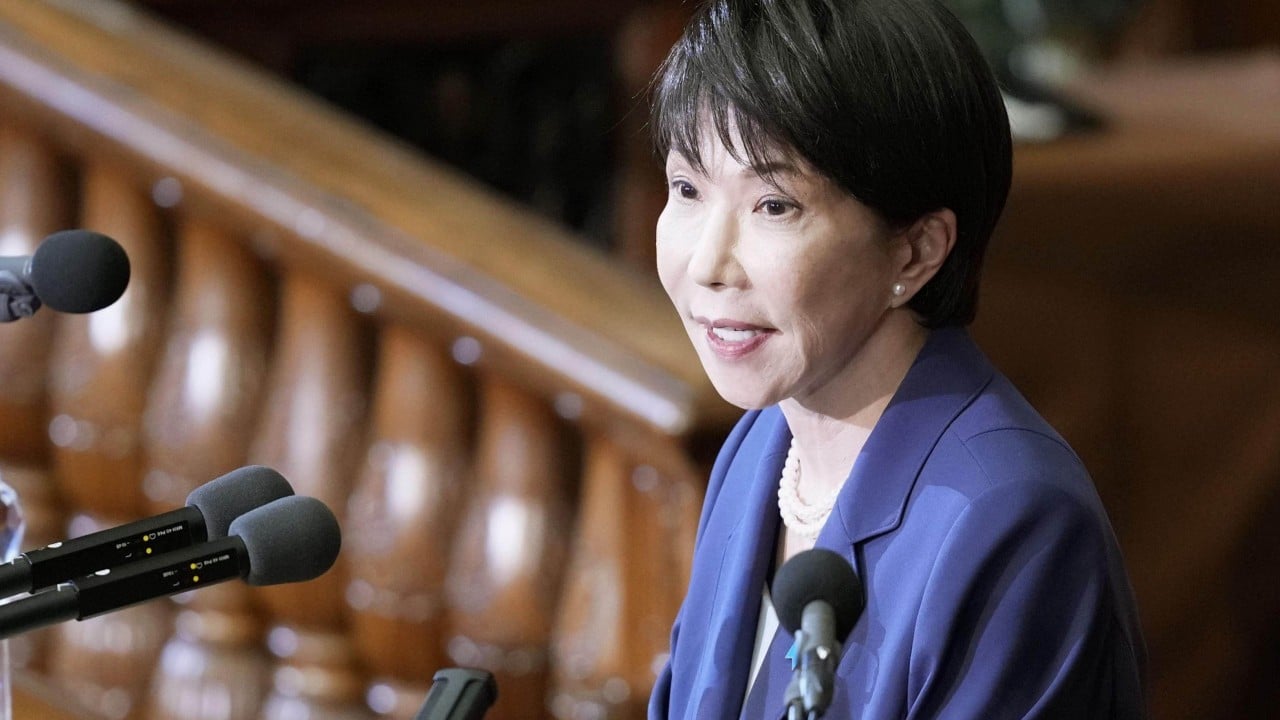
When Sanae Takaichi shattered Japan's ultimate glass ceiling in late 2025 to become the country's first female prime minister, the political establishment didn't quite know what to do with her. A protégé of the late Shinzo Abe, she rode a wave of populist energy, secured a sweeping legislative landslide in early 2026, and captivated voters with her blunt, no-nonsense delivery.
Yet, barely a year into her historic premiership, cracks are showing. Takaichi’s fierce independence and preference for steering entirely by her own compass are creating a fragile political ecosystem. While her straight-talking approach resonates with a public weary of traditional factional politics, it's alienating the very party elites she needs to survive. If you look closely at how power actually functions in Tokyo, her lone-wolf style might just be the ticking clock on her tenure.
The Loneliness of the Long-Distance Leader
Traditional Japanese governance relies heavily on consensus, factional loyalty, and backroom negotiations. Prime ministers typically survive by keeping party heavyweights close and cutting deals behind closed doors. Takaichi, however, has consistently bucked this trend.
She has a long-established reputation for trusting her own advice rather than building a reliable cadre of loyalists within the Liberal Democratic Party. She doesn't play the traditional social games of the LDP machine. While this anti-establishment streak helped her win over an electorate craving authenticity, it leaves her dangerously isolated.
If political winds shift against her—whether from persistent economic anxieties, rising living costs, or a sudden dip in approval ratings—she won't have a deep trench of loyal faction leaders to bail her out. Politics is a team sport, and Takaichi is playing solo.
Navigating Foreign Policy and Domestic Fatigue
Takaichi's hardline stance on national security and her willingness to stand up to Beijing have played well with nationalist segments of the voter base. Her tactical management of international relationships—ranging from sharp public exchanges to high-profile diplomatic summits—projects strength.
Domestically, however, the picture is complicated. Voters are wrestling with stubborn inflation, a historically weak yen, and a high national debt-to-GDP ratio that restricts bold fiscal maneuvers. While she managed to sweep an early election cycle by framing the ballot around personal mandate and immigration curbs, the honeymoon phase is wearing thin.
When approval ratings inevitably dip from their historic highs, the public’s tolerance for aggressive military spending revisions and constitutional shifts will face a sterner test. Citizens worried about their grocery bills don't always prioritize defense expansion.
Culture Wars and the Cost of Candor
Takaichi also has a unique knack for making personal realities into flashpoints of national debate. Remarks regarding the sheer hours required for household chores and morning preparation as a working woman in high office sparked intense conversations about gender expectations in Japan's rigid corporate culture.
While some praised her transparency, others pointed out the irony of a leader steering a conservative party that has historically struggled to bridge massive gender gaps in political representation and corporate boardrooms. Appointing only a couple of women to her initial cabinet showed that breaking the highest ceiling didn't automatically dismantle the structural barriers underneath.
What Lies Ahead for the LDP
The real test for Takaichi isn't whether she can win a flashy campaign headline—she's already proven she can do that. The test is institutional endurance.
Without a loyal factional network, her political survival depends entirely on maintaining high direct public support. If voters grow weary of her hardline foreign stances or economic stagnation deepens, the LDP hierarchy won't hesitate to turn on her.
Manage your expectations of how long a populist wave can sustain a government without structural party backing. Watch the legislative alignment closely, keep an eye on shifting voter polls, and don't assume that breaking historical molds guarantees a permanent grip on power.