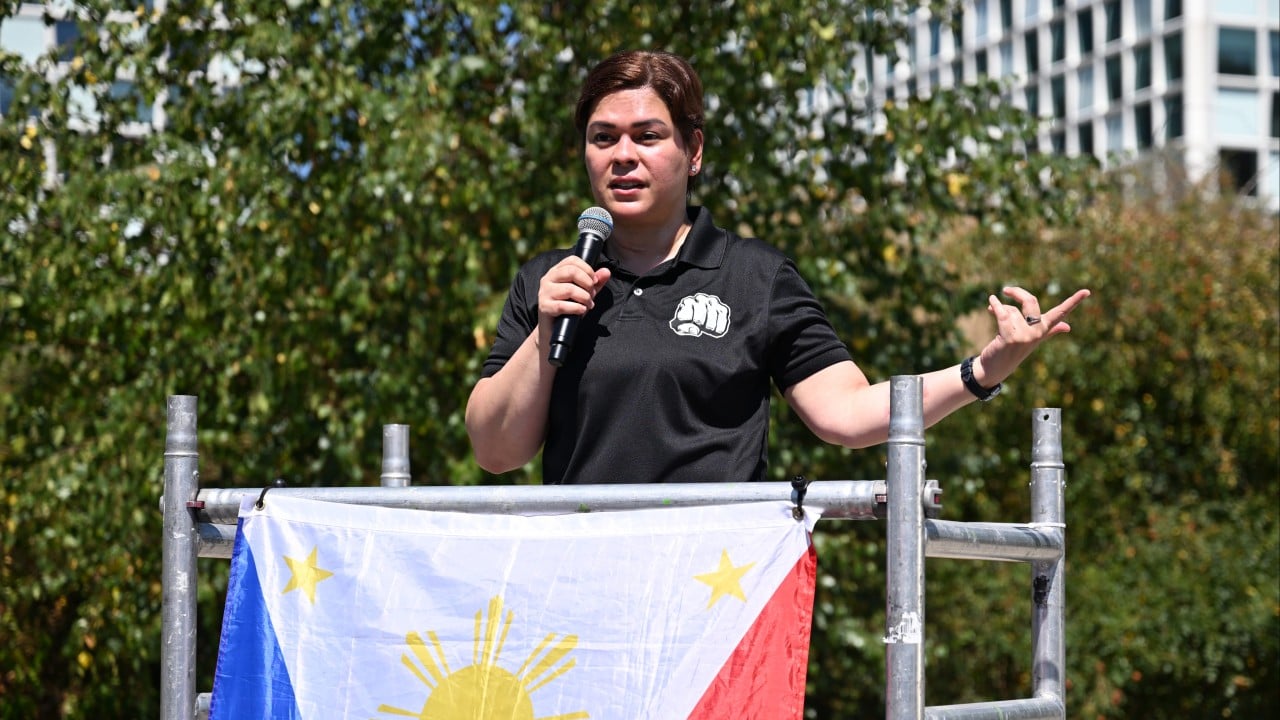
Philippine politics just crossed another explosive line. Vice President Sara Duterte was formally hit with a criminal charge for grave threats over an incendiary remark where she claimed she hired an assassin to target President Ferdinand Marcos Jr., First Lady Liza Araneta-Marcos, and former House Speaker Martin Romualdez.
If you think this is just standard Manila political theater, look closer. This criminal indictment collides directly with her ongoing Senate impeachment trial, threatening to derail her entire political future and any ambitions for a 2028 presidential run.
How a Late Night Rant Turned Into a Criminal Case
The roots of this legal nightmare go back to a chaotic, late-night online news briefing. Tensions between the Marcos and Duterte families had already ruptured beyond repair. Gone were the days of their triumphant 2022 "Uniteam" election alliance.
During that heated media appearance, Duterte didn't just criticize the administration. She dropped a bombshell statement. She claimed she had talked to a hitman, instructing them that if she were killed, they needed to retaliate by killing President Marcos, his wife, and Romualdez. She insisted repeatedly, "no joke, no joke."
The reaction was immediate. The National Bureau of Investigation (NBI) launched a probe, resulting in a criminal complaint. Months later, the Department of Justice officially filed the charge of "grave threats" before a Quezon City courtroom. Prosecutors recommended a bail amount of 120,000 Philippine pesos ($1,963) for her temporary release.
An initial complaint regarding "inciting to sedition" was dropped, but the grave threats charge stuck. Under the Philippine legal code, a conviction on this specific count carries a prison sentence ranging from one to six months. While a few months in jail might sound short, the political fallout is catastrophic.
The Impeachment Collision Course
Duterte's legal team is pushing back hard. They argue that the criminal case shouldn't move forward while she is facing a concurrent Senate impeachment trial. Defense lawyers point to her status as a sitting impeachable officer, arguing she cannot face parallel criminal prosecution for actions tied directly to her impeachment articles.
Legal experts are split, but the Department of Justice disagrees with the defense strategy. Officials maintain that the criminal prosecution and the impeachment proceedings can happen simultaneously. Dante Gatmaytan, a professor at the University of the Philippines College of Law, noted publicly that nothing in the constitution stops the Department of Justice from advancing the criminal docket independently.
The threat allegation forms a core pillar of the impeachment trial, which also ropes in accusations of misuse of confidential funds, bribery, and unexplained wealth. Day 14 of the Senate trial laid bare how high the stakes are. A guilty verdict in the Senate means immediate removal from office and a permanent ban from holding elective office ever again.
What Happens Next in Manila
The confrontation between the executive branch and the Vice President highlights a deep institutional fracture in the Philippines. What started as an alliance built on convenience has dissolved into an open war of attrition.
Duterte has consistently denied making an actual security threat, framing the onslaught of legal and political challenges as coordinated persecution. Meanwhile, the administration treats her public statements as a severe breach of national security, prompting heavy reinforcements from the Presidential Security Command early on.
With the criminal case now sitting squarely in the jurisdiction of the Quezon City court and the Senate hammering through her impeachment articles, Duterte's camp is fighting a multi-front war. Every legal maneuver from here on out dictates whether the once-dominant political dynasty can survive the decade.
Pay attention to how the Quezon City court handles her arraignment and whether the Senate fast-tracks its verdict. The outcome resets the balance of power in Southeast Asia's most volatile democracy.