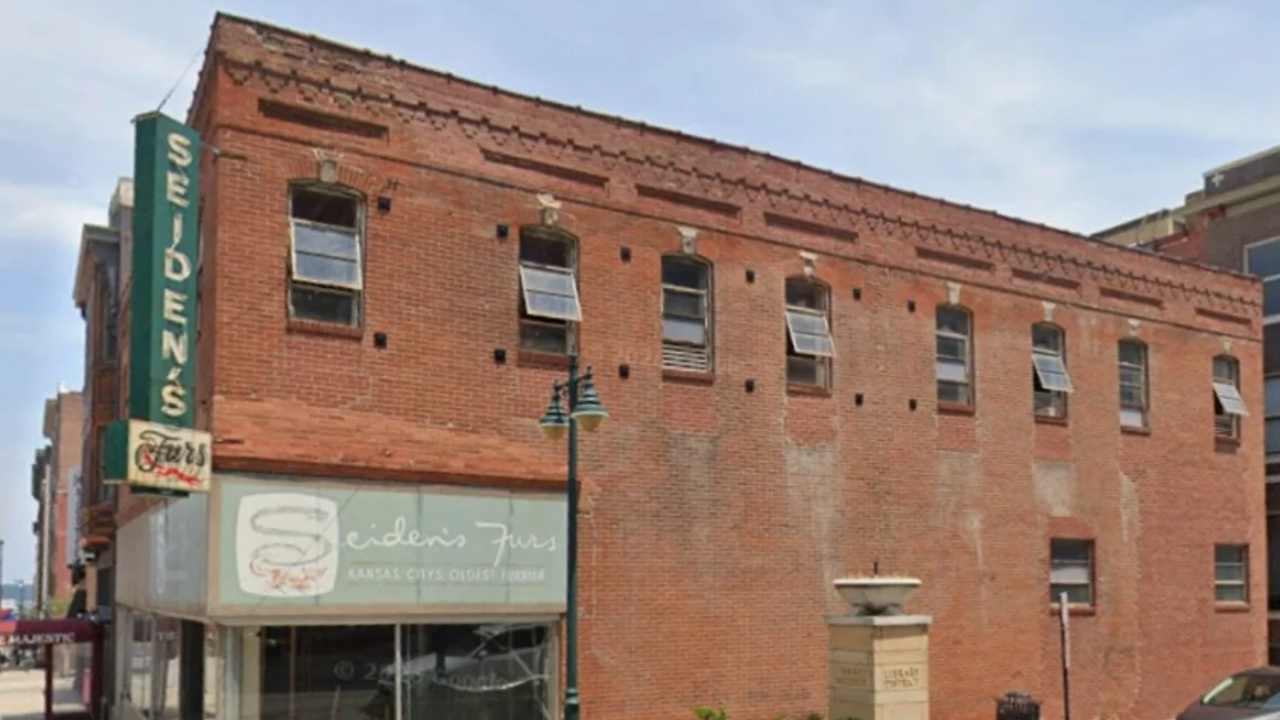
Old buildings in downtown districts usually get torn down when roofs cave in. City halls issue emergency demolition orders, bulldozers roll up, and another piece of local history vanishes into a landfill. But downtown Kansas City just dodged that script. A historic 1874 commercial property at 935 Broadway, best known as the former Seiden's Furs shop and the oldest surviving commercial structure in the Downtown Loop, escaped the wrecking ball thanks to a last-minute rescue by developer Chris Sally.
Instead of becoming a vacant gravel parking lot, this 152-year-old structure is transforming into Loretta Jean's restaurant with upper-floor apartments. The turnaround highlights the high-stakes financial and bureaucratic battles required to save aging urban architecture from municipal bulldozers.
The Collapse That Triggered an Emergency Demolition
Neglect and weather can destroy a century-old building faster than any developer can draft a blueprint. In July 2021, heavy rainfall cracked open a massive section of the roof at 935 Broadway. Water poured into the interior unchecked for months, pooling deep in the basement and rotting the structural core.
City building inspectors stepped in and flagged the property as a severe public hazard, slapping it with an emergency demolition order. For years, the building sat in limbo. Early engineering reports estimated that stabilizing and fixing the structural damage would cost around $2.1 million. With numbers like that staring down prospective buyers, most real estate investors walked away.
Before Sally bought the building in October 2023, local artists and entrepreneurs floated various survival ideas. Artist Peregrine Honig proposed turning the space into affordable artist studios charging $200 to $400 a month, while other visionaries pitched an underground speakeasy. None of those concepts had the heavy capital needed to satisfy municipal safety standards until Sally committed to the purchase.
Inside the Massive Cleanup and Restoration Process
Before any modern restaurant or apartment layout could take shape, workers had to clear out decades of urban debris. Cleanup crews hauled away more than 20 dumpsters filled with abandoned stock, rotting rubbish, and decades of accumulated trash. They also pumped out standing basement water that threatened the foundational brickwork.
The physical renovation work required precise historic preservation methods rather than standard commercial flipping:
- Roof and Exterior: Contractors installed a completely new roof system, repointed crumbling mortar between exterior bricks, and restored second-floor windows to their exact original dimensions.
- Retail Artifacts: Developers chose to lean into the building's history rather than strip it clean. The upcoming restaurant will feature a preserved walk-in fur storage vault, an old metal money safe, vintage fashion signage, and original retail mannequins.
- Interior Layout: The street level will house chef Rick Mullins and Candice Moore's restaurant concept, Loretta Jean's, alongside a separate basement bar space tentatively called Josephine's. The entire upper floor is being converted into modern residential apartments.
These preservation efforts earned the project a 2025 Historic Kansas City Preservation Award for Neighborhood Stabilization, proving that saving structural heritage can pay off before doors even open to the public.
The Broader Crisis Facing Historic Commercial Buildings
The close call at 935 Broadway isn't an isolated incident. Downtown Kansas City faces a mounting backlog of neglected historic properties teetering on the edge of condemnation. A similar rescue mission recently saved the former Cosby Hotel, an 1881 building that narrowly avoided demolition before being converted into offices and dining space.
City leaders are taking notice of the fiscal and cultural losses tied to demolition-happy policies. Kansas City Mayor Quinton Lucas introduced targeted city ordinances designed to crack down on property owners who let historic buildings rot until municipal demolition becomes the only cheap option left. Concurrently, the non-profit organization Historic KC published its first Most Endangered Places list in five years to spotlight threatened architecture across the region.
Renovating a structure dating back to the Grant administration costs significantly more upfront than pouring a concrete box from scratch. Yet the financial return relies on the unique character these old brick-and-mortar storefronts bring to evolving urban neighborhoods.
If you're tracking urban development trends or looking at historic preservation investments, keep an eye on how municipalities handle building code enforcement. When cities stop treating old architecture as disposable liabilities, neighborhoods gain spaces with actual stories worth sticking around for.