In 2004, the Santa Cruz Island fox was staring down a cliff. With fewer than 70 individuals left in the wild, the species was essentially a ghost waiting to vanish. It wasn't just a slow decline, either. It was a collapse.
Most people hear about this and assume it was just another case of habitat loss. It wasn't. The truth is much weirder, involving feral pigs, golden eagles, and the unintended consequences of human interference. When you look at how we brought them back, it’s not just a story about conservation; it’s a lesson in how brutal and precise ecosystem management has to be when we decide to fix our own messes.
The Problem With Pigs
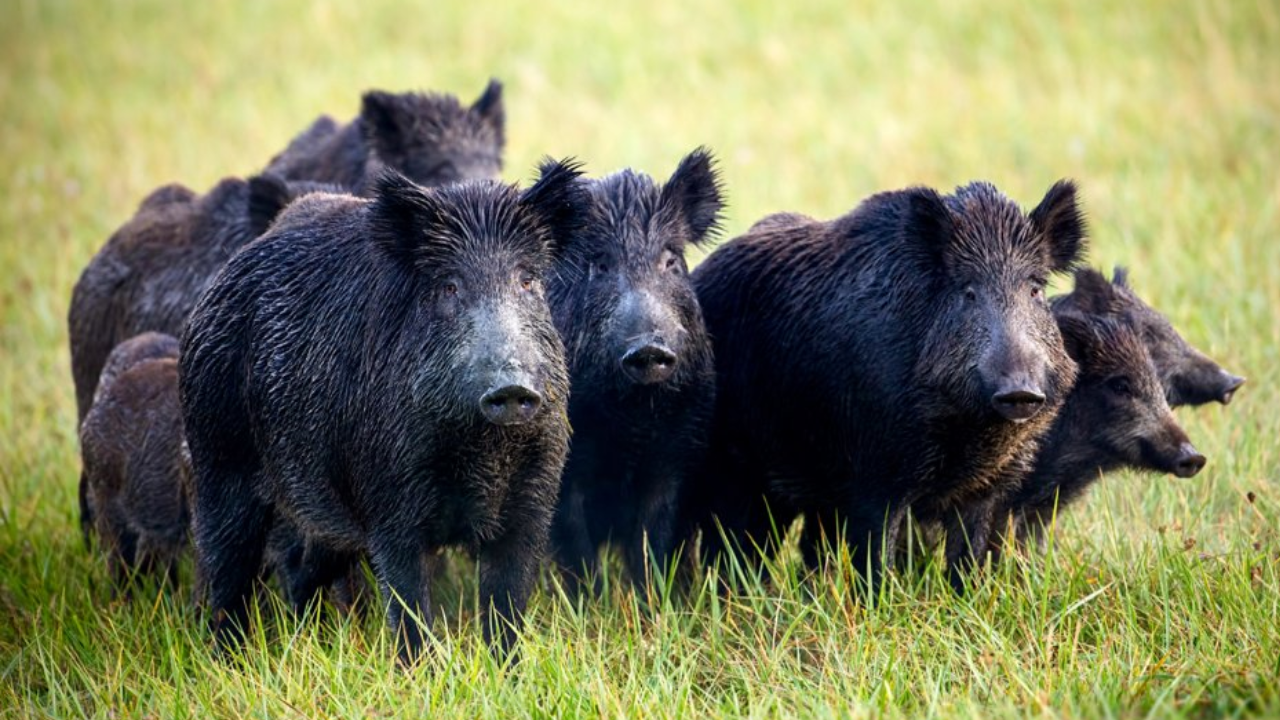
You can't talk about the island fox without talking about the feral pigs. These weren't native. They were introduced to Santa Cruz Island in the 19th century, back when domestic animals were just thrown onto islands with little thought for the long-term cost. Over time, these domestic pigs went feral. They bred, they rooted up the island’s soil, and they created a massive, constant food source.
Here’s where it gets interesting: that food source attracted predators that didn't belong there. Golden eagles from the mainland started showing up. Normally, these eagles wouldn't bother with the island. But with thousands of piglets running around, the island turned into a buffet. Once the eagles established themselves, they didn't just eat the pigs. They started hunting the native foxes.
The foxes had never seen a flying predator before. They were tiny, about the size of a house cat, and they had evolved in a bubble. They had no defensive instincts against aerial attacks. At the same time, the local bald eagles—which naturally kept golden eagles away—had been wiped out by the impacts of DDT in the 1960s. The golden eagles moved in, the foxes were defenseless, and the population cratered.
The Brutal Logic of Eradication
By 2005, the National Park Service and The Nature Conservancy had to make a choice. You don't just "coexist" with an invasive species that is actively driving a native species to extinction. They chose eradication.
It wasn't a half-hearted attempt. It was a massive, expensive, and logistically insane operation. They built 28 miles of fencing to partition the island into management zones. They brought in professional hunters, tracking dogs, and helicopters. It was messy work. They had to remove 5,036 feral pigs.
Some critics have a hard time with the ethics of killing thousands of animals to save one, but the science is clear. If you don't remove the primary driver of the ecosystem’s collapse, you’re just putting a bandage on a gunshot wound. Once the pigs were gone, the golden eagles no longer had the massive food supply that anchored them to the island. Biologists then relocated the golden eagles to mainland California and reintroduced native bald eagles, which are territorial and prefer fish, essentially reclaiming the airspace.
Captive Breeding as a Safety Net
While the island was being physically transformed, the remaining 70 foxes were captured. This was the backup plan. If the restoration failed in the wild, the species would still exist in pens.
Biologists managed these foxes like they were precious jewels. They were vaccinated against canine distemper and rabies, diseases that could have wiped out the entire remaining population in a single week.
This isn't something you do by accident. It takes thousands of hours of monitoring, supplemental feeding, and genetic management. They watched every birth. They controlled every variable. This wasn't just "letting nature heal." It was intense, hands-on, high-stakes wildlife surgery.
Why This Matters Now
By 2016, the federal government officially delisted the Santa Cruz Island fox. It stands as the fastest recovery of any mammal under the Endangered Species Act since its inception in 1973. From 70 to 2,100 in roughly a decade. That’s not a comeback; that’s an explosion.
But here is the takeaway that most people miss: restoration requires maintenance. You can’t just walk away and hope for the best. Today, the island has strict biosecurity protocols. Every boat, every crate, and every visitor is a potential vector for invasive species or diseases.
If you want to understand how conservation works in the real world, look at Santa Cruz. It’s not about grand gestures. It’s about recognizing how your actions ripple through an environment, taking responsibility for the invasive species we introduced, and being willing to do the hard, often unpopular work required to put the pieces back together.
The recovery of the island fox is a success story, sure. But it’s also a reminder that we are essentially the permanent stewards of these places now. The "wild" doesn't exist in a vacuum anymore. It exists because we actively decide to keep it that way. If you’re interested in supporting these efforts, look into organizations that focus on island restoration projects or the National Park Service’s volunteer programs. Just don't expect it to be easy. Real restoration never is.