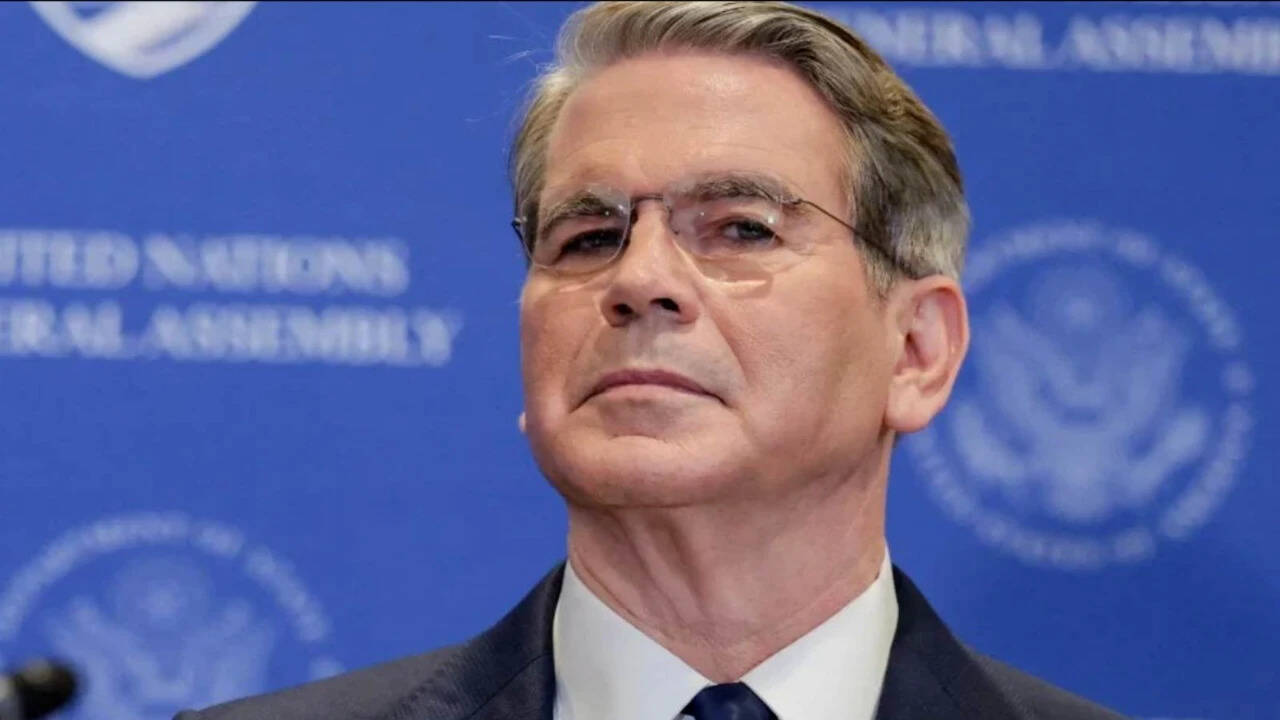
Treasury Secretary Scott Bessent didn't want to pack his bags, but a geolocated photo changed everything. When an online media feature inadvertently exposed the exact location of his Georgetown residence, combined with credible, high-level threats from Tehran, staying put wasn't an option. Bessent packed up and moved straight to an undisclosed military installation in the Washington area.
He isn't alone. In fact, he is just the latest high-ranking official in the Trump administration forced behind the razor wire of heavily guarded military bases. Security protocols for Washington’s top decision-makers have shifted dramatically, exposing a tense reality where public service now demands bunker-like living conditions.
The Financial Chokepoint Driving the Threats
Why is the Treasury chief sitting at the top of an adversarial target list? It boils down to a brutal financial campaign. Since taking the reins at Treasury, Bessent has spearheaded aggressive economic measures designed to strangle Tehran's revenue streams. This includes strict enforcement of trade restrictions and a naval blockade aimed at collapsing the Iranian economy.
Administration officials call it an economic onslaught. Tehran calls it economic warfare. According to U.S. intelligence briefings, threats against American leadership escalated from background noise to advanced operational planning. Intelligence chiefs warned that Iranian networks have increasingly prioritized targeting current and former U.S. officials.
Treasury representatives have made it clear that the security threats won't alter their trajectory. Officials insist the economic pressure will continue unabated, regardless of where the cabinet members sleep at night. Still, moving the nation's chief financial officer to a military base highlights just how severe these geopolitical crosswinds have become.
A Growing List of Residents Behind the Gates
Bessent's sudden relocation places him in a rapidly expanding club of administration officials living on military property for safety.
Secretary of State Marco Rubio and Defense Secretary Pete Hegseth both reside at Fort McNair in Washington, D.C. Rubio has frequently noted his close proximity to Hegseth, describing them as neighbors inside the secure perimeter. Other key figures, including White House Chief of Staff Stephen Miller and former officials like Pam Bondi, have similarly utilized military housing or heavily guarded government facilities after facing intense harassment or specific threats.
This trend blurs the lines between traditional civilian leadership and active-duty security operations. When half the cabinet requires military protection just to sleep safely, the day-to-day optics of governance change. Georgetown brownstones and suburban family homes are getting swapped out for controlled access points, patrols, and secure communications infrastructure.
The Media Blur and Operational Security Failures
The immediate catalyst for Bessent's relocation wasn't just classified threat data. It was an open-source intelligence failure courtesy of the mainstream media.
When a prominent publication ran a photo of Bessent's residence, amateur sleuths and hostile actors alike could easily geolocate the property. In an era of high-resolution satellite imagery and digital footprint tracking, publishing identifiable exterior shots of cabinet members' private homes is an extreme security risk.
Sources close to the administration didn't mince words regarding the incident, pointing out that news organizations carry a profound responsibility to act prudently when public servants face active international threats. Exposing a home address shouldn't be treated as a casual lifestyle feature. For Bessent, that published photo accelerated a security review that forced an immediate evacuation to a military base.
What Happens Next in Washington
The normalization of cabinet members living on military installations signals a permanent shift in executive protection. As long as economic sanctions squeeze foreign adversaries and global tensions remain high, civilian leaders will operate under wartime security postures.
Bessent continues running financial strategies from behind secure gates, proving that the administration intends to weather the storm without backing down. Yet, the broader question remains about the sustainability of officials living like deployed commanders while managing domestic departments on home soil.
Secure the perimeter, lock down personal data, and keep pushing the policy forward. That is the baseline rule of survival in modern Washington.
Treasury's Bessent moves to military base after Iranian threats
This video report from USA TODAY provides additional coverage and context regarding Treasury Secretary Scott Bessent relocating to a military base following Iranian threats.