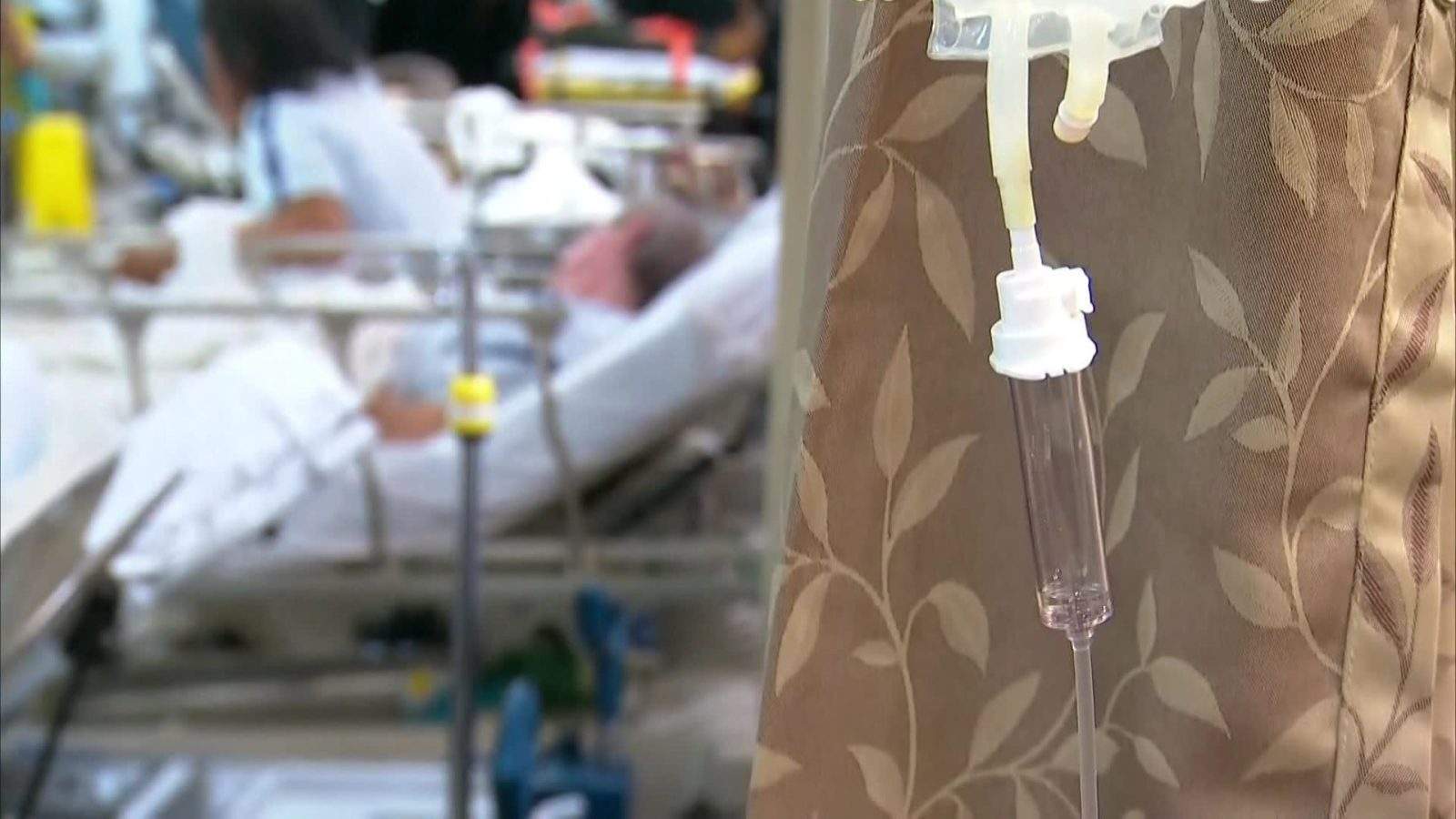
The recent confirmation of a second Ebola death in Kenya has understandably rattled nerves across East Africa and beyond. A 65-year-old woman, who was a close relative and direct contact of the country's first Ebola patient, passed away after developing symptoms while isolated in quarantine.
When public health alerts flare up, panic usually spreads faster than the pathogen itself. You need clear facts, not sensational headlines. Let's break down what's actually happening on the ground, how health authorities are managing the cluster, and why experts argue there's currently no evidence of wider community transmission.
Inside the Numbers of Kenya's Isolated Ebola Cluster
The outbreak in Kenya didn't emerge spontaneously from the local environment. It traces back to an index patient—a 40-year-old Kenyan man living in the Democratic Republic of Congo who traveled through Uganda before arriving in Nairobi.
Since that initial case, the Kenya Ministry of Health moved fast. Contact tracing teams identified roughly 135 individuals who had potential exposure. Out of those, 118 were placed straight into strict quarantine protocols.
Here is where the data matters:
- Nine total cases have been confirmed within this single cluster.
- Of those nine, eight tested positive while already inside quarantine facilities.
- The infections include four healthcare workers and four close family members.
- Two patients have died, while seven others remain under specialized care in isolation units.
This clustering tells epidemiologists a specific story. Because every single confirmed infection ties directly back to the initial imported case and was caught inside quarantine or medical isolation, officials maintain that community spread hasn't taken root.
The Quarantine Challenge and the 21-Day Clock
Watching people you love fall ill while locked down in an isolation ward is a nightmare scenario. For the families involved, the psychological toll is massive. Yet, quarantine remains the single most effective tool public health teams have to stop a hemorrhagic fever in its tracks.
Ebola has an incubation period that can stretch up to 21 days. That means anyone exposed must be monitored daily for fevers, vomiting, or other symptoms. Kenyan health officials noted that contacts who complete this 21-day window without showing symptoms are scheduled for release.
Managing 135 contacts requires intense logistical coordination. Healthcare workers put their lives on the line every day, which explains why four medical personnel contracted the virus despite protective gear. Treating viral hemorrhagic fevers leaves zero room for error. When fatigue sets in or protocols slip, the virus exploits the gap.
Regional Pressures and Broader Concerns
Kenya isn't dealing with this in a vacuum. Across the continent, the ongoing outbreak originating from the Democratic Republic of Congo has placed immense pressure on neighboring nations. Other countries like Nigeria have also reported imported cases, pushing regional health bodies like the Africa CDC to call emergency summits.
The strain highlights a harsh reality of modern travel and disease surveillance. Viruses don't respect borders, and airport screening can only catch so much. When passengers transit through major hubs like Entebbe International Airport, a single infected traveler can spark an international contact-tracing race involving hundreds of people across multiple countries.
Travel advisories have shifted as well. Agencies like the U.S. State Department adjusted travel guidance for Kenya, urging people to reconsider trips or exercise heightened caution. For travelers, this means staying updated through official channels rather than relying on social media rumors.
What Happens Next on the Ground
Safely managing a fatality from Ebola requires strict adherence to infection prevention protocols. Specialized teams handle burials to ensure the virus cannot spread through traditional funeral rites, which have historically fueled outbreaks in other regions.
The immediate focus for Nairobi's health officials remains simple: finish monitoring the remaining quarantined contacts, support the seven patients currently receiving care in isolation, and maintain absolute transparency to prevent public panic.
If you're tracking this situation from afar, keep your eyes on the data rather than the noise. Watch for updates from the World Health Organization and local health ministries regarding whether quarantine completions clear the remaining contacts without new cases emerging. Containment works when systems catch every link in the chain early.
Kenya announces second Ebola death, a close relative of the first patient