When a Secret Service agent ends up on administrative leave for allegedly blabbing to the press, it's easy to dismiss it as basic political gossiping. A frustrated agent complains about a Vice President's chaotic schedule, a news outlet prints the dirt, and the administration loses its mind.
That's the surface story. The reality is far uglier, and it shows a dangerous breakdown in federal protection that should terrify anyone paying attention.
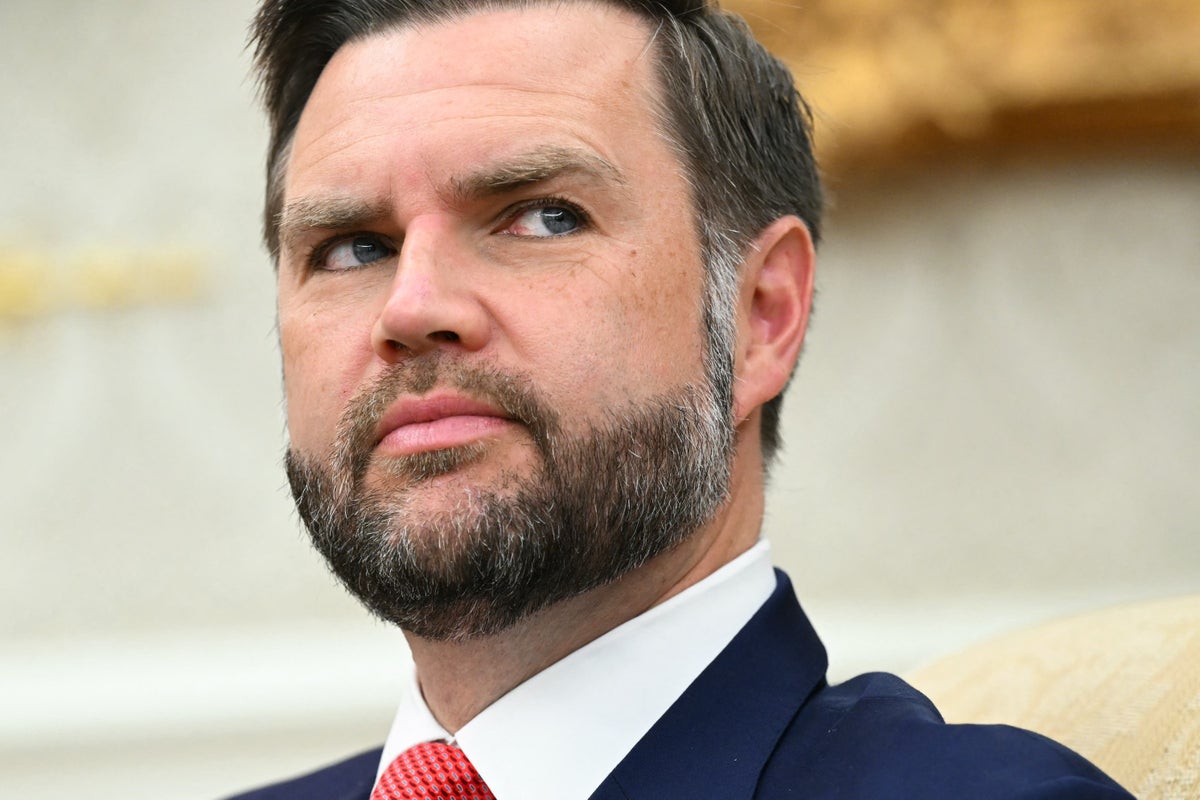
A protection officer on Vice President JD Vance's detail is officially under internal review. The suspicion? Serving as a deep-cover source for a report laying out internal grievances regarding Vance's travel demands, complete with operational scheduling specifics.
It sounds like standard DC palace intrigue. It's not.
Operational details are life and death, not political dirt
Here's what standard media coverage gets wrong about security leaks. They treat complaints about "inappropriate" travel requests or canceled helicopter rides as a PR nightmare for Vance.
They miss the threat vector completely.
When an insider leaks that a Vice President planned to take a Marine Corps helicopter with his son to a golf lesson—even a canceled trip—they aren't just revealing Vance's personality. They are revealing tactical rhythms. They are broadcasting transport modes, personal habits, and family movements to anyone listening.
If an agent talks to a journalist about non-public logistics, they prove that sensitive security operational details can easily slip out. In protective services, leaking travel schedules isn't "whistleblowing." It's giving threat actors a free blueprint.
The FBI and Secret Service leadership didn't get furious because Vance looked bad in the headlines. They got furious because operational integrity was compromised.
Protectees aren't supposed to be easy to guard
Let's address the underlying issue honestly: protectees are notorious for driving their security details crazy.
This isn't new. History is full of presidents and vice presidents who drove agents to near-madness:
- Lyndon B. Johnson routinely ditching his detail on his Texas ranch.
- Bill Clinton making sudden, unplanned stops for fast food mid-jog.
- Joe Biden taking frequent weekend trips home to Delaware.
Protecting high-profile political figures is a logistical nightmare. They push boundaries, demand last-minute adjustments, and expect their personal lives to run smoothly despite carrying a multi-vehicle motorcade everywhere they go.
Vance asking for helicopter trips or making abrupt schedule tweaks isn't unprecedented. What is unprecedented is a protective agent deciding that airing those personal grievances to the press is an acceptable outlet.
When an agent breaks the pledge of absolute confidentiality, the entire protective bubble dissolves.
The human element inside the protective bubble
Think about the psychological reality of protecting a national leader. The protectee and their family must trust that the people standing next to them with firearms will guard their lives with absolute secrecy.
Once a protectee suspects that their guard is taking notes for a media outlet, everything changes:
- They stop trusting their detail's advice on safety.
- They begin hiding schedule changes from their own guards.
- They create side-channels, which makes protecting them exponentially harder.
When trust breaks, security fails.
Why administrative leave is just the first step
Placing the agent on administrative leave and revoking their access is standard protocol during an internal review. But don't expect this to end with a quiet transfer.
The current administration has made it clear that press leaks regarding security and operational intelligence will face harsh crackdowns. When operational details cross into published reports, federal prosecutors start looking closely at disclosure laws.
If internal affairs discovers that classified protocols or precise real-time logistics were handed over, administrative leave can turn into security clearance revocations, formal termination, or criminal proceedings.
What happens next
Federal agencies need to fix this fast before it becomes a blueprint for future breaches. Here is what needs to happen immediately:
- Audit internal communications immediately. Agencies must trace digital footprints and internal message logs to isolate how operational plans leave secure networks.
- Re-establish operational firewalls. Protective details must restrict real-time itinerary updates exclusively to essential personnel on a strict need-to-know basis.
- Separate personal friction from security protocols. Agents need clear, internal ombudsman channels to report burnout or unreasonable operational demands without resorting to media leaks.
- Enforce hard consequences for security breaches. Unlawful operational disclosures must carry direct, public accountability to maintain deterrence across all protective details.
Security work requires silence. The moment protective officers decide their personal frustration outweighs their sworn duty, national security takes a backseat to office drama. That's a compromise no protective service can survive.