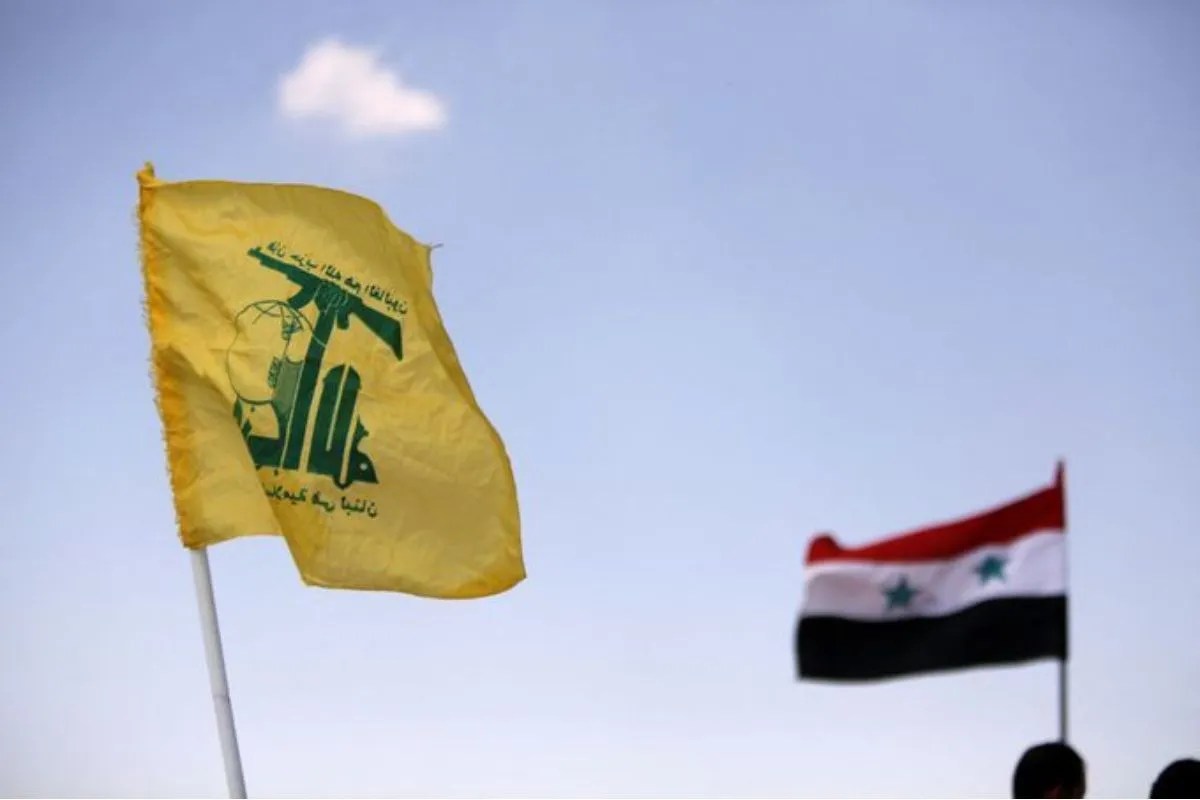
Geopolitics rarely moves in a straight line. Behind closed doors in Turkey last month, a high-stakes diplomatic chess match played out between two bitter historical enemies. Syrian government representatives and Hezbollah officials sat down face-to-face.
If you thought Damascus and the Iran-backed group would remain permanent foes after the fall of Bashar al-Assad's regime, think again. The Middle East is shifting. Traditional alliances are cracking. Tehran was left out in the cold.
Let's break down what actually happened, why Turkey forced the issue, and what this means for regional stability moving forward.
Why Syria and Hezbollah Met in Secret
Tensions between Syria’s new administration under President Ahmed al-Sharaa and Lebanon's Hezbollah spiked dangerously following the collapse of the old regime in late 2024. Hezbollah spent years bleeding on Syrian soil to prop up Assad, fighting against the very opposition factions that now hold power in Damascus.
Naturally, mutual distrust ran deep. But practical reality forced a change of heart.
Intelligence and foreign ministry officials from Syria met with Hezbollah representatives at an undisclosed location in Turkey. Ankara's security apparatus orchestrated the diplomatic opening after months of back-channel messaging.
The main goals on the table were straightforward:
- Stop cross-border smuggling networks.
- Dismantle remaining militant sleeper cells in southern Syria.
- De-escalate mounting border friction.
Damascus made it clear it wants security guarantees. Syria pressed Hezbollah to clamp down on illegal trafficking routes and security threats operating near the border. Hezbollah, for its part, denied keeping any official military footprint inside Syrian territory during these discussions. Yet, intelligence sources point out that tangible progress was made on security coordination, even if final implementation remains complicated.
The Elephant Not in the Room: Iran's Exclusion
The most explosive element of these secret meetings wasn't who sat at the table. It was who didn't.
Iran was entirely absent.
For decades, Tehran treated the Damascus-Hezbollah axis as the crown jewel of its regional influence network. Every major military or strategic move required clearance from Tehran. By hosting these talks without Iranian officials present, Turkey and Syria sent a loud message.
Reports indicate that while Hezbollah attended with Tehran's basic awareness, Iranian leadership felt deeply sidelined and frustrated. Syria's new leadership is deliberately charting an independent path. President al-Sharaa's administration is refusing to bow to direct Iranian oversight.
When you cut the primary sponsor out of a bilateral security arrangement, the power dynamic alters completely.
Denials and Realities on the Ground
Official statements rarely tell the whole truth in Middle Eastern diplomacy. Following leaks about the clandestine sessions, Syrian and Turkish officials issued standard denials or refused to comment. That is playbook standard operating procedure. Secret diplomacy only works when participants can maintain plausible deniability.
Just weeks after these covert meetings, Syrian security forces announced the arrest of a Hezbollah-linked cell planning operations near the southern border. This move highlights a dual-track strategy by Damascus. They are talking behind closed doors to manage friction, but they are simultaneously cracking down on unauthorized armed networks inside their sovereign borders.
Israel is watching these developments with extreme anxiety. Israeli leadership fears that a rearming Syria, even one independent of Iran, could eventually form a new security threat along its northern frontier.
What Happens Next
The dialogue facilitated by Ankara signals a pragmatic shift. Ideological hatred takes a back seat when survival and border control dictate terms. Syria needs stability to rebuild its shattered state. Hezbollah needs to secure its logistical rear as pressure mounts on multiple fronts.
Keep an eye on southern Syria. If cross-border smuggling drops and local cell activity quiets down, it will prove that these secret Turkish-hosted meetings yielded real results. If violence spikes, the fragile understanding will collapse overnight.
Take a close look at how regional capitals react to Tehran's fading monopoly over cross-border proxy networks. That tells you where the Middle East is heading next. Stop looking at old alliance maps. They don't apply anymore.