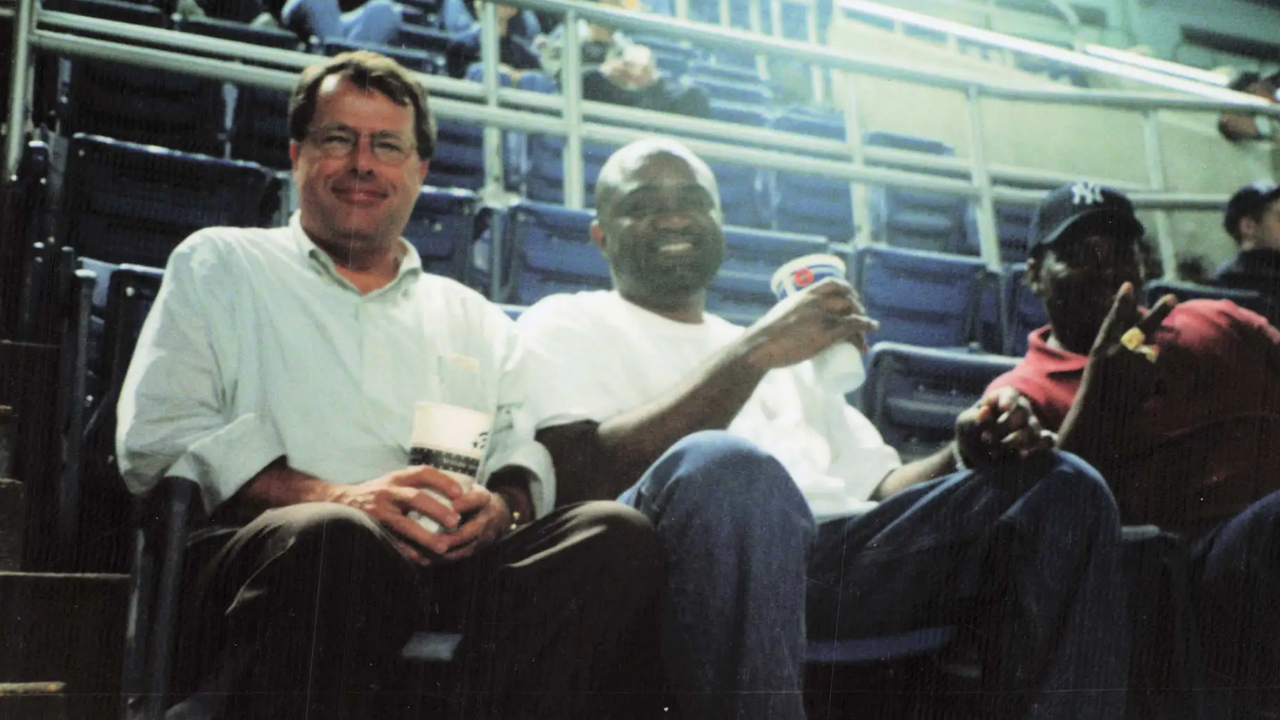
Smoke blinded the hallway on the 70th floor of the South Tower. Dust fell like heavy snow. Inside that chaos, six Morgan Stanley employees thought their time was up. Then a security guard holding a flashlight and a bullhorn appeared out of nowhere.
His name was Dereck Lovell. He was only filling in that day. He didn't even know the floor layout well. Yet he walked right into the danger zone, yelled "Follow me," and led them to a hidden stairwell just fifteen feet away. That split-second choice kept them alive. Minutes later, the tower collapsed.
Now, a quarter-century later, the tables have turned. Lovell is fighting a brutal battle against kidney cancer. Both of his kidneys are gone, and he relies entirely on dialysis three days a week while waiting for a transplant. The people he pulled from the jaws of death are rallying to save him.
A Chance Assignment on a Day That Changed Everything
Lovell was 43 years old on September 11, 2001. When the second hijacked plane slammed into the South Tower, the impact threw him straight across the room. He hurt his shoulder badly. Most people would have panicked or focused entirely on self-preservation. Lovell grabbed his safety gear instead.
Visibility was zero. Doug Brown, then an associate national sales director, recalls that he could barely see past his own outstretched hand. He and his colleagues were choking on toxic fumes and trapped by collapsed ceilings.
Lovell didn't just point vaguely toward an exit. He personally guided Brown and five others to a stairwell that looked like a simple broom closet. He didn't stop there. After getting them inside, he went back out, found three more stranded workers, and guided them down too before starting his own escape.
The Bond That Lasted Twenty-Five Years
You don't forget someone who literally hands you back your life. Days after the attacks, Brown and his colleagues tracked Lovell down at temporary offices in Jersey City just to say thank you. They hugged him, cried with him, and built a lifelong friendship.
That bond survived decades of quiet life. But last September, the shadow of that horrific morning caught up with Lovell again. Doctors diagnosed him with kidney cancer. He had already survived prostate cancer, which medical experts tie directly to the toxic dust cloud he breathed in while clearing the World Trade Center towers.
By 2026, doctors had to remove both of his kidneys. The waiting list for a deceased donor through health networks like SUNY Downstate and NYU Langone can drag on for years. Dialysis keeps him going, but it is a grueling substitute for a healthy organ.
Why the Survivors Are Stepping Up Now
Doug Brown refuses to let his guardian angel fade quietly into the background. He is using his own voice and network to raise awareness and hunt for a living kidney donor. It's a raw reminder of what real community looks like when institutional safety nets fall short.
Lovell stays remarkably humble about what he did. He won't call himself a hero. He insists he was just doing his job. But the people standing beside him know the truth.
If you want to help, look into living kidney donation registries or share stories like Lovell's to bring real attention to the ongoing, long-term health crises facing 9/11 survivors and responders. A stranger saved six lives in the smoke of lower Manhattan twenty-five years ago. Now it is our turn to help him finish the fight.


