Your monthly power bill is creeping up, and you can thank the nearest artificial intelligence data center for part of that pain. As tech giants race to build thousands of power-hungry facilities across the country, everyday utility customers are left footing the bill for massive grid upgrades. Congress tried to fix this mess, but Washington politics got in the way.
The Senate recently stalled a high-profile push over the Ratepayer Protection Act, leaving millions of households vulnerable to data center-driven electricity price hikes. While politicians point fingers, your utility bills keep climbing. Let's look at why this fight matters and what it means for your wallet.
The Real Cost of the AI Boom
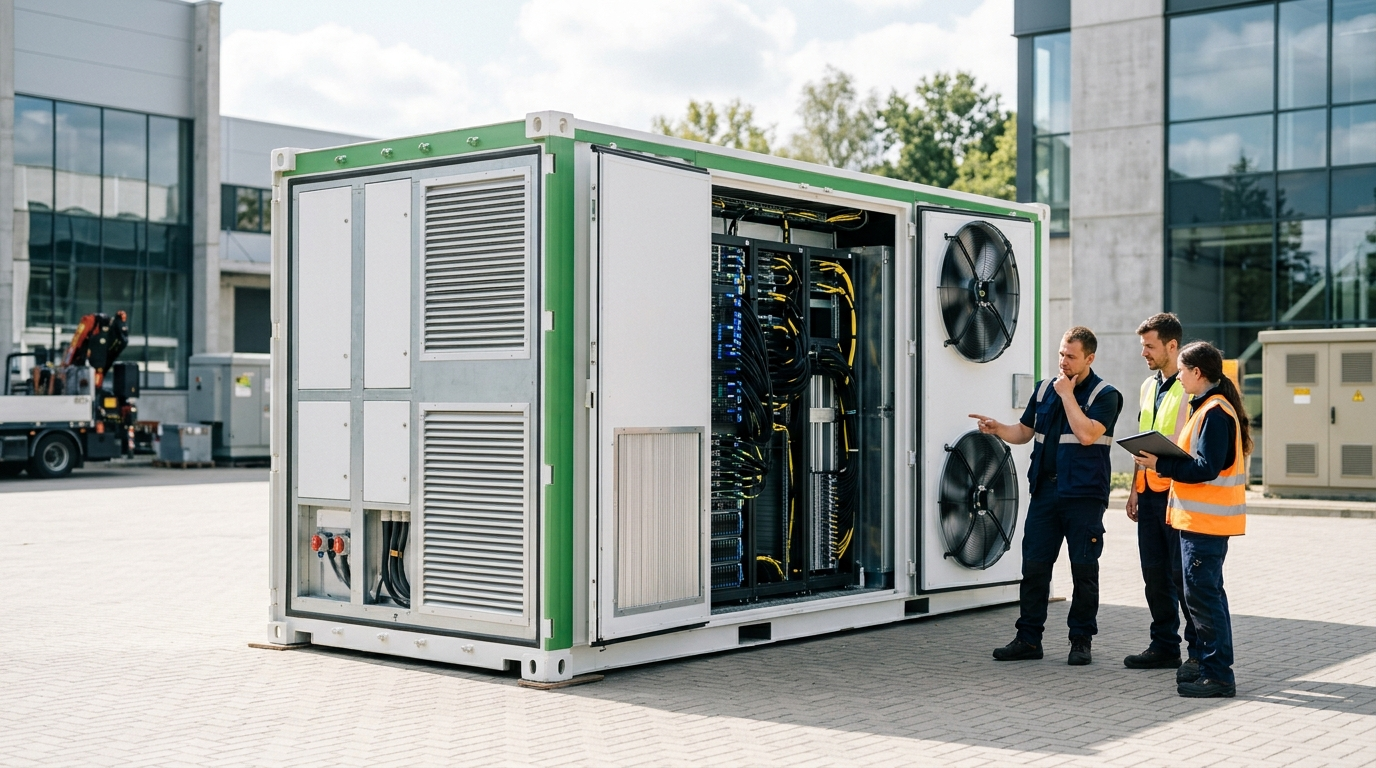
You've probably heard about the tech industry's insatiable appetite for electricity. Training large language models and running massive server farms requires gigawatts of power. In many regions, local utilities have to build brand-new transmission lines, substations, and generation plants to keep up.
Traditionally, utilities spread these infrastructure costs across all customers through higher monthly rates. That means a family living miles away from a massive tech campus ends up subsidizing the power grid upgrades required by a multi-trillion-dollar corporation.
Sen. Jon Husted (R-OH) introduced the Ratepayer Protection Act to stop this practice. The bill aims to require state utility regulators to consider forcing large-load power consumers—like tech companies building massive data centers—to pay the full price of the infrastructure upgrades they trigger.
It sounds like a straightforward win for consumers. The House of Representatives thought so, passing the measure with an overwhelming 417 to 3 vote. But once the bill hit the Senate, the momentum stalled out entirely.
Why Democrats Blocked the Bill
Senate Democrats drew a line in the sand, arguing that the Republican-backed legislation didn't actually protect anyone. Sen. Martin Heinrich (D-NM) and other critics labeled the bill toothless because it doesn't mandate strict standards or force tech companies to cover costs by federal decree. Instead, the bill merely encourages state regulators to look at the issue.
Critics of the legislation argue it gives utility companies and tech giants too many loopholes. They contend that a toothless recommendation to state regulators won't stop power companies from passing billions in grid expansion costs onto everyday ratepayers.
On the flip side, supporters claim that blocking the bill denies households immediate relief while lawmakers hold out for a more aggressive regulatory package. With the Senate splitting along party lines—falling short of the necessary threshold to advance—consumers are stuck in the middle of a legislative standoff.
What This Means For Your Utility Bills
If you are hoping for relief on your monthly electricity statement, don't hold your breath. Utility regulators in states experiencing rapid data center expansion are already reviewing rate hikes to fund grid modernization.
When a utility company needs to spend half a billion dollars upgrading transformers and power lines to serve a new tech facility, that money has to come from somewhere. Without federal guardrails or state mandates shifting the burden directly to tech corporations, local ratepayers absorb the shock.
You'll likely see higher delivery charges, increased baseline fees, and steeper kilowatt-hour rates over the next few years if you live near major tech hubs in Virginia, Ohio, Texas, or the Pacific Northwest.
Protecting Yourself Against Rising Energy Costs
Waiting for Congress to pass a foolproof consumer protection law is a losing game. While politicians debate how aggressive utility regulations should be, you can take practical steps to manage your household energy expenses.
- Audit your home energy use: Track your peak hours and upgrade older appliances to energy-efficient models. Lowering your baseline consumption helps cushion the blow of rising utility rates.
- Check your local utility filings: State public utility commissions publish notices when local power companies request rate increases. Public comments and utility hearings offer a rare chance to push back against unfair rate designs.
- Explore local generation options: If your budget allows, residential solar panels and battery storage systems can drastically reduce your reliance on a strained local power grid.
The clash in Washington proves that real relief won't arrive overnight. Until lawmakers figure out how to balance the demands of the tech sector with the needs of everyday households, keeping an eye on your local utility rates is your best defense.