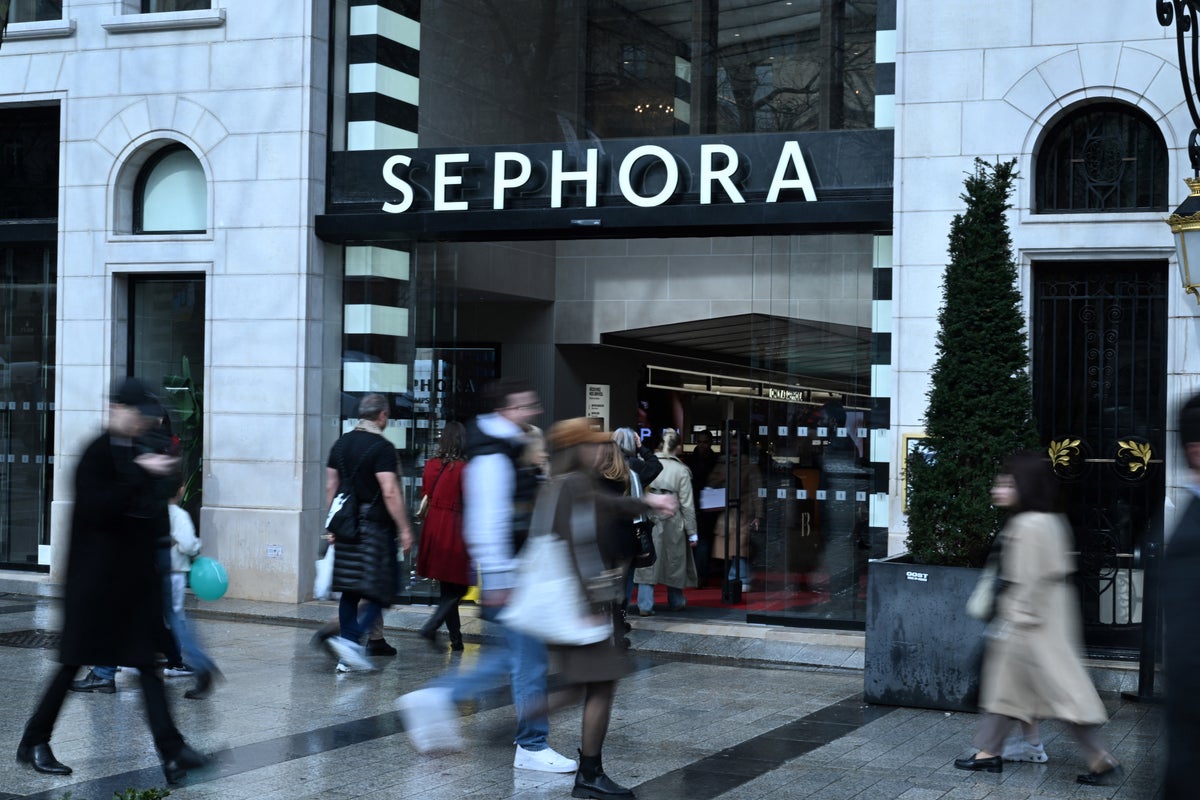
Walking into a beauty store usually feels like walking into a nightclub at 2:00 PM. Blaring pop music hits you at the door. Bright, flashing LED screens blast product advertisements from every wall. Strong perfumes mix in the air, and neon lighting reflects off thousands of glossy compacts. For some, it is an exciting playground. For others, it is an instant recipe for sensory overload.
Sephora wants to change that. The beauty giant announced the global rollout of its Quiet Hours initiative across all operating regions. During these specific time blocks, stores turn down the music, dim the bright lights, and soften the intensity of flashing in-store digital screens.
The goal sounds simple on paper. Create a calmer, less overstimulating retail space. But this move highlights a massive, long-overdue shift in how major brands think about physical retail design and accessibility.
The Problem with High-Stimulus Retail
For decades, physical stores relied on intense stimulation to drive sales. Fast music makes people move quicker. Bright lights highlight products. Strong scents establish brand identity. But this environment actively repels a massive segment of the population.
Data from the Clear Channel research group indicates that 61% of people with sensory sensitivities will straight up leave a store if it feels too busy. Loud music drives out 46% of those shoppers, while harsh fluorescent lighting forces more than 20% to walk out empty-handed. When a store is too loud and bright, people stop browsing. They panic, buy nothing, and leave.
The neurodiversity community, which includes individuals with autism, ADHD, dyslexia, and sensory processing differences, has pointed this out for years. Physical stores often present a wall of overwhelming anxiety. By refusing to adapt, retailers essentially lock these consumers out of the traditional brick-and-mortar experience.
Inside the Numbers of Sephora's Global Rollout
Sephora didn't just wake up and decide to turn off the music. The global expansion follows a strict 12-week pilot program across 32 stores in eight different international markets. In the UK, the trial ran at major hubs like Westfield London White City, the Manchester Trafford Centre, and the Birmingham Bullring.
The feedback from that trial was overwhelming:
- A vast majority of neurodivergent shoppers reported that the quiet blocks significantly improved their browsing experience.
- 90% of all surveyed customers stated that the initiative made the stores feel vastly more inclusive and welcoming overall.
- Store employees, known as Beauty Advisors, praised the program for giving them a much-needed mental break from the daily chaos.
To build the framework, Sephora partnered with internal employee resource groups and external accessibility specialists, including the inclusive research agency Open Inclusion and the consultancy firm Purposeful Futures. The strategy focuses on micro-adjustments that completely change the vibe of the room without altering the core identity of the brand.
Why This Isn't Just a Trend
Some critics might dismiss this as a temporary public relations stunt, but the business logic says otherwise. Inclusivity in retail is changing from a symbolic checklist into an operational necessity.
Think about the sheer size of the target audience. The British Beauty Council reports that roughly 20% of workers within the beauty industry itself are neurodivergent. That is 4% higher than the national average. If the people selling the products are highly susceptible to sensory burnout, your customer base is experiencing the exact same thing.
When you design a space that accommodates sensory-sensitive individuals, you accidentally make it better for everyone else too. Parents with toddlers, elderly shoppers, people dealing with chronic migraines, or anyone who simply hates a loud room will flock to these calmer hours. A relaxed customer stays in the store longer. A customer who stays longer buys more products.
Sephora isn't the lone pioneer here, but they are the first global beauty retailer to scale it worldwide. Mass-market retail giant Walmart launched daily sensory-friendly hours across its US and Puerto Rico locations back in 2023, dimming lights and switching TV walls to static images between 8:00 AM and 10:00 AM. In the UK, supermarkets like Asda and Tesco have run quiet hours for years. Even the hair salon industry adapted, with spots like London's Not Another Salon pioneering silent appointments where conversation and noise are kept to a bare minimum.
The Execution Hurdles Ahead
Scaling this globally won't be effortless. Turning down a speaker system or dimming a light switch is easy. Changing human behavior across hundreds of stores worldwide is a completely different challenge.
Think about the logistics. Sephora stores rely heavily on product demonstrations, makeup consultations, and mobile checkouts. If a store is packed with people talking at normal volumes, the room stays loud regardless of the background music. Managers must train staff to maintain a quieter environment during these designated blocks.
There is also the financial conflict of retail media networks. Brands pay top dollar to display flashing video advertisements on Sephora's massive digital screens. Dimming or softening those displays means altering corporate ad contracts. Finding the sweet spot between sensory comfort and marketing revenue will require some delicate corporate balancing acts.
Your Actionable Retail Strategy
If you run a retail brand, work in store design, or manage a public-facing business, you don't need a multi-million-dollar budget to make your space more accessible. You can implement these basic steps immediately to capture the audience other stores are actively driving away.
Audit Your Audio Landscape
Turn off the music for the first two hours of your business day once a week. Observe client behavior. If completely killing the audio feels too awkward, swap out high-tempo pop playlists for low-frequency instrumental tracks.Adjust the Visual Overload
Take a hard look at your digital signage. If you use flashing or rapidly transitioning video loops, change the settings to slow fades or static images during your slower morning hours.Train Your Team on Mindful Service
Instruct employees to give shoppers space during quiet hours. Instead of immediately approaching a customer with an aggressive sales pitch, teach staff to offer a simple greeting and let the client browse at their own speed.
Physical retail isn't dead, but the era of aggressive, overstimulating consumer trap spaces is fading fast. Giving people room to breathe isn't just good ethics. It is incredibly smart business.