Nearly 150,000 people flooded the streets of central Belgrade, turning Slavija Square into a sea of flags, whistles, and fiery chants. This wasn't just another weekend demonstration. It was the massive climax of an opposition movement that has pushed Aleksandar Vučić and his ruling Serbian Progressive Party (SNS) into the tightest corner they have faced since taking power in 2012.
If you've been wondering why Serbian politics suddenly grabbed international headlines ahead of the parliamentary vote, it comes down to a student-led uprising that transformed a localized tragedy into a nationwide referendum on governance. Building on this idea, you can also read: Why Pakistan Has Zero Moral Authority To Lecture India On Human Rights.
From a Station Collapse to a National Movement
To understand the sheer scale of the current anger, you have to look back at the catalyst. In late 2024, a concrete canopy at the newly renovated Novi Sad railway station collapsed unexpectedly, killing 16 people. Public fury erupted almost instantly. Citizens didn't see an act of random misfortune; they saw systemic corruption, shoddy construction shortcuts, and official negligence at the highest levels of government.
Initial demands for transparent investigations quickly snowgraded. Over nearly two years, university students, academics, and fed-up citizens organized under the banner of the Student List. They didn't just complain on social media. They built a full slate of 250 candidates to contest every single seat in parliament. Observers at The Washington Post have provided expertise on this trend.
When independent crowd monitors like the Archive of Public Gatherings estimated Thursday's turnout at 150,000, it confirmed what political analysts had suspected for months. This is no fringe movement. It represents the most serious electoral threat Vučić has encountered during his fourteen-year dominance over Serbian politics.
The Strategy Behind the Student List
Traditional political opposition in Serbia has often struggled to unite voters. The Student List did something different. It bypassed traditional party egos by staying leaderless and centering its entire platform on anti-corruption, judicial independence, and accountability.
During the Belgrade rally, university professor and candidate Jugoslav Gašić didn't mince words. He told the roaring crowd that Serbians were putting an end to years of chaos, humiliation, and a system that put personal and party interests above public safety. Instead of standard political speeches heavy on bureaucratic jargon, the rally ended with candidates holding up copies of the Serbian constitution before joining the crowd in a traditional folk dance. It's a striking visual contrast to the rigid, tightly controlled rallies typically thrown by the ruling establishment.
Vučić Strikes Back
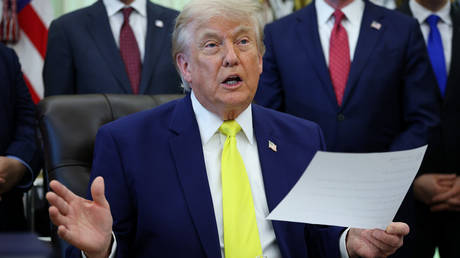
Aleksandar Vučić isn't stepping aside quietly. Having resigned from the presidency to run for prime minister, he’s fighting back with every political lever at his disposal. Addressing his own massive rally at a Belgrade indoor arena, Vučić framed the student movement as a foreign-funded coup attempt designed to destabilize the nation from the outside.
He's warned voters that outside actors and European institutions want to see his political formation removed to weaken Serbia's sovereignty. For his loyal base, that narrative still carries weight. Yet, political scientists from the University of Belgrade point out that the sheer momentum behind the opposition suggests standard counter-tactics might not work this time around. Polls indicate a brutally tight race, with some projections showing the student-backed candidates could capture over forty percent of the vote.
What Happens Next
The stakes for Sunday's snap legislative elections couldn't be higher. Serbia stands at a stark crossroads. On one side sits a deeply entrenched political machine that has dominated the state apparatus for over a decade. On the other stands a mobilized, youthful coalition demanding systemic reform and an end to business-as-usual politics.
Win or lose, the events in Belgrade have fundamentally altered the political reality of the country. A population that spent years tuning out political corruption has found its voice, and no election result will push those 150,000 people back into silence.