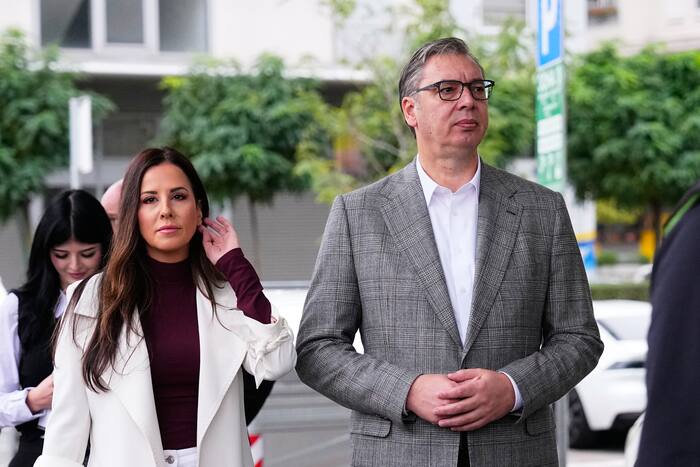
Long lines wrap around polling stations from Belgrade to Novi Sad. Voters stand for hours in the crisp autumn air. This isn't just another routine ballot box exercise. Serbia is holding a parliamentary election that feels less like a standard democratic ritual and more like a high-stakes referendum on the future of long-time strongman Aleksandar Vucic.
If you've been watching Balkan politics, you know Vucic usually treats elections like well-choreographed theater. He shuffles parties, dominates state media, and outmaneuvers a chronically fractured opposition with ease. But this time feels entirely different. A relentless, youth-driven movement has shaken his fourteen-year grip on power, turning what should have been an easy win into a nail-biting showdown.
Let's look at why this election matters right now, what sparked this massive wave of public anger, and how a unique coalition of students and everyday professionals managed to rattle a seasoned political heavyweight.
The Spark That Lit the Fuse
Political movements don't erupt out of thin air. They need a catalyst, and Serbia's current uprising found its tragic turning point two years ago.
Sixteen people died when a concrete canopy collapsed at a railway station in Novi Sad. That disaster wasn't just viewed as a freak accident. Millions of citizens saw it as the direct result of unchecked cronyism, rampant corruption, and corner-cutting during rushed renovation projects. Public fury boiled over.
Instead of blowing over, the anger crystallized into a massive wave of student-led protests. Young Serbians took to the streets, demanding accountability, institutional transparency, and justice for the victims. They didn't stop at urban centers either. Students cycled and walked through rural towns, penetrating the very heartlands that traditionally served as Vucic's safest political strongholds.
Inside the Students' List Strategy
Traditional opposition parties in Serbia have spent years arguing among themselves, making it easy for the ruling Serbian Progressive Party to sideline them. The student movement realized they needed a totally different playbook.
Enter the Students' List. It's a fascinating political novelty.
None of the actual university student leaders placed their own names on the ballot. Instead, they populated their candidate lists with little-known experts, farmers, artists, doctors, and athletes. By stripping out traditional politicians and running on a non-partisan platform centered around a simple message—"we know how"—they successfully tapped into a deep vein of public fatigue.
Voters tired of career politicians suddenly had an alternative that felt grassroots, honest, and grounded in real community solidarity.
High Stakes and High Turnout
Election monitors reported that turnout in the first few hours of voting blew past previous records, doubling participation rates compared to the 2023 parliamentary vote. Queues formed so early and stretched so far that activists on both sides started calling them lines of hope.
Vucic, who stepped down from the presidency just last month to lead his party's campaign and position himself to return as prime minister, spent nearly two hours waiting in line with his wife before casting his ballot. He told reporters he would respect the results if his camp lost, while simultaneously warning that any post-election protests claiming fraud would be met with swift containment.
Independent monitors and international observers have kept a sharp eye on proceedings. Campaign seasons in Serbia have faced persistent criticism over media bias, targeted cyberattacks, and intimidation tactics against activists and journalists. When trust in institutions is low, high turnout becomes a double-edged sword. It shows incredible civic engagement, but it also raises the tension if results are contested.
What Happens Next
The race is polling neck-and-neck. Smaller parties fighting to cross the 3% parliamentary threshold are sweating out every single ballot box. Analysts from conflict monitors like ACLED have warned that the risk of localized unrest is real, particularly if the final tallies are razor-thin and accusations of electoral irregularities fly from both sides.
Whether the students pull off a historic upset or Vucic manages to weather yet another political storm, one thing is already clear. The political landscape in Serbia has permanently shifted. A generation that refused to stay silent has proven that even deeply entrenched power structures can be forced to listen.
Watch the final counts closely. The shockwaves from this vote will echo far beyond the Balkans.