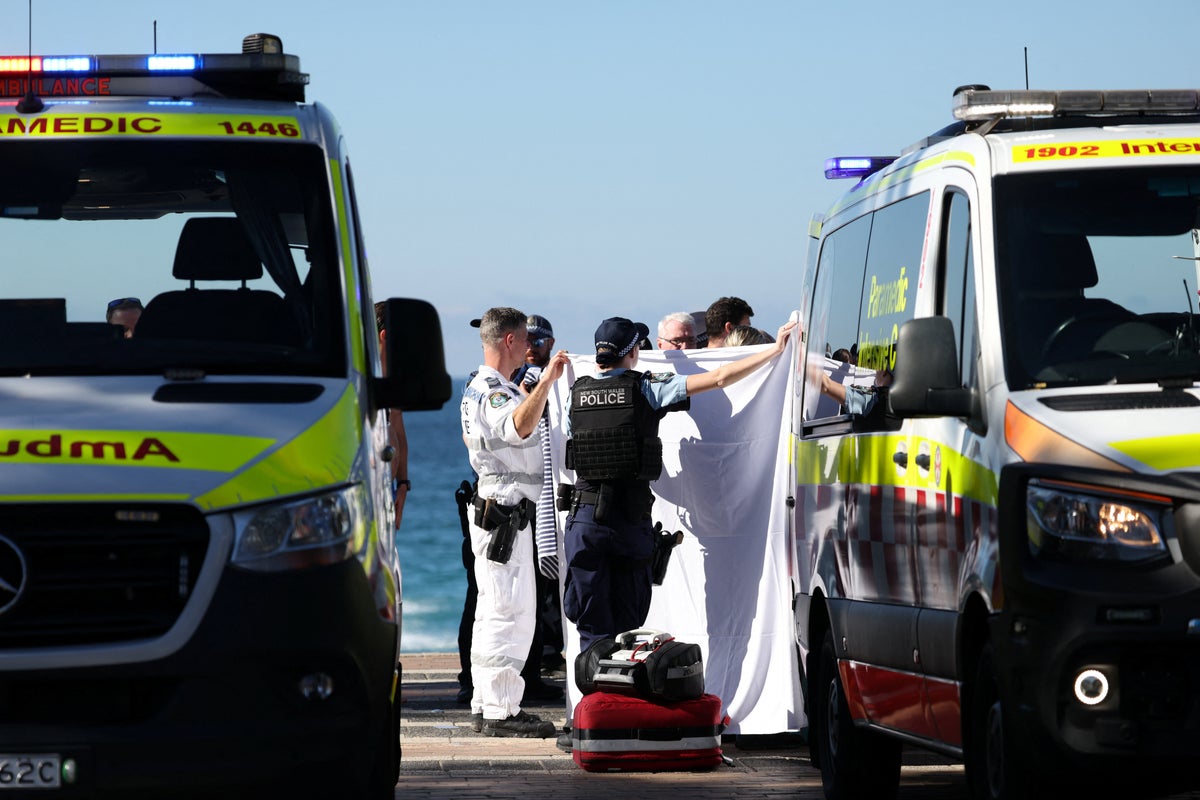
The horrific attack on ocean swimmer Leah Stewart at Sydney’s Coogee Beach has reopened a raw, deeply emotional debate. A 3.5-meter great white shark struck just 30 meters from shore, leaving a mother fighting for her life and a community in shock. When these tragedies happen, the immediate human reaction is driven by fear and anger. People want retribution. They want safety. Politicians like former Prime Minister Tony Abbott quickly jump on the microphone to demand a shark cull, calling for lines and nets to clear the waters.
It sounds simple. Kill the predators, protect the swimmers. But if you talk to the marine scientists who actually study shark behavior and tracking data, they will tell you a completely different story.
Lethal shark culls do not work. It is an emotional response masquerading as a safety policy. The hard data shows that killing sharks does not make beaches safer, but it does create an absolute ecological disaster right off our coasts.
The Myth of the Safe Net
Most people look at beach nets and think they create an underwater fence that keeps sharks out. They don't. Shark nets are actually just fragment strings of mesh suspended in the ocean. They do not touch the bottom, and they do not connect to the shore.
Data from the New South Wales and Queensland shark control programs reveals an astonishing reality. Roughly 40% of sharks caught in these nets are trapped on the beach side. They had already swam past the net, spent time near the shore, and were caught on their way back out to the open ocean.
If the goal is to create a secure barrier for swimmers, the technology is failing fundamentally. Since 2006, multiple fatal bites have occurred at Australian beaches where lethal drumlines and nets were actively deployed. Relying on them gives beachgoers a false sense of security while doing nothing to change the actual mathematical risk of an encounter.
What the Data Says About Culling Efficacy
When governments try to fish out sharks systematically, they run into a basic biological reality. Apex predators are highly migratory. A great white shark can swim thousands of kilometers in a few weeks. Emptying a local patch of water by killing every shark in sight creates a temporary vacuum that is filled almost immediately by another migrating predator.
Emeritus Professor Rob Harcourt from Macquarie University points out that a cull makes zero statistical difference to the risk of an attack unless you completely remove great white sharks from the ocean entirely. That is not just unfeasible; it would devastate the marine food chain.
A 2019 Australian Federal Court ruling evaluated the scientific evidence behind the Queensland shark control program and concluded that the data against the efficacy of lethal culling was overwhelming.
The numbers simply do not support the idea that killing sharks drops the bite rate. Between 1980 and 1999, New South Wales recorded an average of 0.6 shark bites causing injury per year. Today, that average sits at more than 4 incidents annually. This rise isn't happening because there are more sharks. Research indicates that coastal apex predator numbers, including great whites, have dropped by up to 92% over the last half-century.
The spike in incidents mirrors human behavior, not shark populations. We have more people in the water, staying in longer, using better wetsuits, and accessing remote surf breaks. We are entering their habitat in massive numbers, yet the individual statistical risk of being bitten remains incredibly low.
The Collateral Damage Underwater
The most damning argument against shark culling is the indiscriminate nature of the equipment. Lethal drumlines use baited hooks to attract sharks, which marine biologists argue actually draws predators closer to popular swimming beaches than they would normally venture.
Once those hooks and nets are out there, they kill everything that touches them.
According to reporting from the RSPCA and marine conservation groups, up to 90% of the marine life caught in Australia's culling programs consists of non-target species. We are talking about humpback whales, dolphins, sea turtles, manta rays, and harmless, critically endangered sharks like the grey nurse.
During recent netting seasons in New South Wales, out of hundreds of animals entangled in the mesh, the vast majority were protected or threatened species. A turtle is killed in a coastal net roughly every 20 days. Deployed nets are essentially passive killing machines that clear out the very biodiversity that keeps the ocean healthy.
The Modern Tech Replaced the Hooks
We don't accept safety standards from the 1960s in our cars, our workplaces, or our homes. There is no reason to accept them at the beach.
The tragic Coogee Beach attack happened in an area where a drone ban was in place due to proximity to the Sydney airport flight paths. Dr. Daryl McPhee from Bond University notes that if observation drones had been in the air, this specific bite could have been prevented entirely. Drones provide real-time aerial surveillance, allowing lifesavers to spot a large shark from above and clear the water immediately before an interaction occurs.
Switching away from lethal culls means investing heavily in smart infrastructure:
- Aerial Drone Patrolling: Giving lifeguards an eye in the sky to trigger immediate beach evacuations.
- Non-Lethal SMART Drumlines: Hooks that alert teams the moment an animal is caught, allowing scientists to tag, move, and release the shark alive far offshore within 30 minutes.
- Personal Deterrents: Encouraging surfers and divers to use scientifically validated electronic deterrent devices on their boards or ankles.
Your Next Steps for Ocean Safety
If you want to stay safe in the water without supporting destructive culling policies, you need to change how you interact with the ocean.
First, download local shark tracking and sighting apps like SharkSmart before you head out. Check the recent log data for your specific beach. Second, stick strictly to patrolled beaches between the flags where lifeguards are actively monitoring the water. Third, avoid swimming at dawn, dusk, or near river mouths after heavy rain, as these are peak feeding times and low-visibility conditions where bull sharks and great whites hunt. Finally, use your voice to lobby local representatives for drone-based surveillance and SMART drumlines rather than outdated coastal netting programs.