Diplomatic friction rarely cools down on its own, especially when a fugitive former prime minister starts making return plans from her host country's capital.
Bangladesh is pushing India harder than ever to hand over deposed leader Sheikh Hasina. During a high-stakes courtesy meeting in Dhaka between newly appointed Indian High Commissioner Dinesh Trivedi and Bangladesh Prime Minister Tarique Rahman, the extradition request took center stage. Dhaka wants her back to face a death sentence handed down in absentia by a special tribunal. New Delhi is left walking a diplomatic tightrope.
You have to look past the standard diplomatic handshakes to understand why this issue is turning into a massive headache for both nations.
The Spark Behind the Latest Diplomatic Row
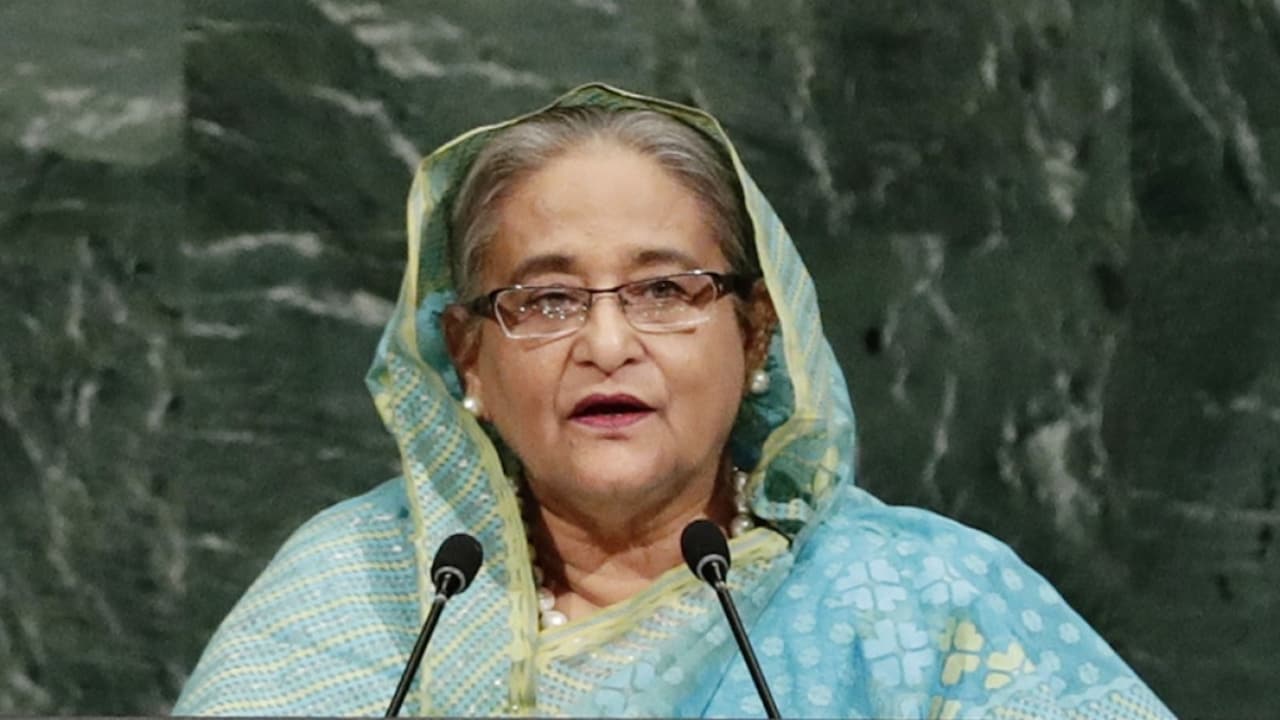
Things flared up right after Sheikh Hasina hosted a virtual press conference from New Delhi. Speaking to international correspondents on the anniversary of her 2024 ouster, she publicly announced her intention to return to Bangladesh this December. She claimed she is ready to face imprisonment or worse to put the country back on track.
That broadcast went down terribly in Dhaka.
The current administration views her as a convicted genocider operating out of a neighboring country's capital. Bangladesh foreign ministry officials argued that allowing her to broadcast political threats and criticize the judiciary from Indian soil undermines bilateral trust.
India’s Ministry of External Affairs tried to distance itself immediately. Officials in New Delhi clarified that the event was organized by a private media entity and that India does not endorse her remarks. Even so, the damage to optics was done. Dhaka used the ensuing tension to formally renew its push for her physical return during Trivedi's debut meeting with Prime Minister Rahman.
What Bangladesh Actually Wants From New Delhi
Dhaka isn't just dropping hints anymore. The message delivered to the Indian envoy was blunt. Bangladesh expects New Delhi to speed up legal pathways for her extradition.
The legal reality is complicated. Hasina has lived under tight security in India since fleeing a violent student uprising in August 2024. In November 2025, a domestic tribunal convicted her of crimes against humanity relating to that crackdown, issuing a death sentence in absentia.
For Dhaka, her presence in India is an active security irritant. Beyond Hasina, the recent meeting also touched on specific criminal cases. Bangladesh reiterated its demand for the handover of suspects linked to the murder of student-leader Osman Hadi, three of whom were tracked down and arrested in West Bengal earlier this year. India has signaled willingness to process those specific criminal extraditions through due legal process, but Hasina's case operates on an entirely different geopolitical plane.
Why India Can't Just Hand Her Over
If you think India will simply deport a decades-long ally overnight, you misread how international asylum and bilateral optics work.
Hasina provided India with decades of strategic stability, particularly regarding cross-border security and counter-terrorism cooperation in India's northeast. Handing her over to a tribunal that already sentenced her to death carries heavy moral and strategic costs for New Delhi. It sends a chilling signal to other regional leaders who might lean on Indian protection in times of crisis.
At the same time, India cannot afford a permanent rupture with Bangladesh. Prime Minister Tarique Rahman's government holds significant leverage, including decisions on regional connectivity, trade agreements, and upcoming high-level summits like the BRICS gathering in New Delhi.
High Commissioner Trivedi tried to smooth over the friction, telling reporters that both countries are vibrant democracies capable of talking through their differences. He emphasized that shared borders demand shared problem-solving rather than public posturing.
Where the Relationship Goes From Here
The timeline is ticking down to December, when Hasina claims she will attempt her homecoming. If she stays in India, bilateral ties will remain strained. If she somehow manages to cross back into Bangladesh, it triggers an immediate domestic crisis inside Dhaka.
Expect quiet backchannel negotiations rather than public breakthroughs. India has to weigh the legal merits of extradition requests against its own long-term security posture in South Asia. Dhaka has to decide how far it wants to push New Delhi while it still needs regional economic cooperation.
Watch how both capitals handle upcoming ministerial visits and summit invitations over the next few weeks. That will tell you whether this diplomatic storm is stabilizing or just getting started.