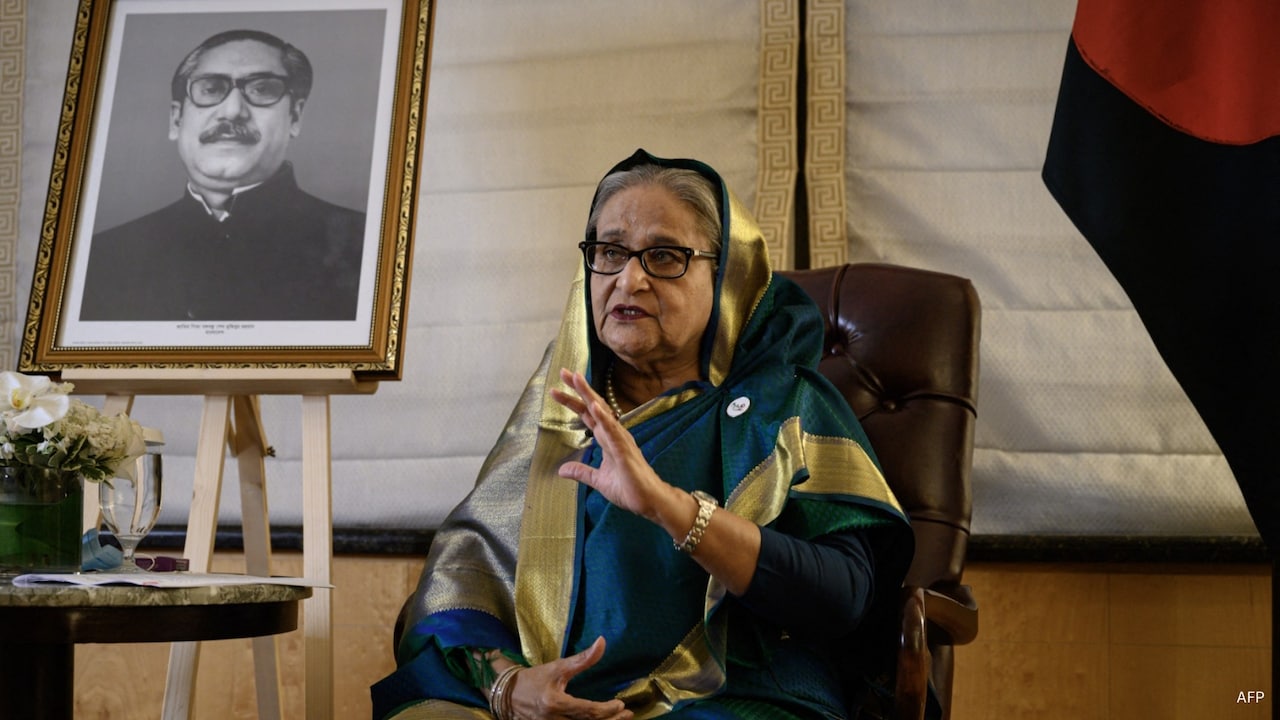
Asking a government that sentenced you to death for a fresh passport sounds absurd on paper. Yet Sheikh Hasina is doing exactly that, pressing Bangladesh for a new passport and National Identity Card while living in exile in India.
Her legal team sent a follow-up letter on November 19 demanding urgent action from the Bangladesh High Commission. This isn't a routine consular errand about lost paperwork. It's a high-stakes legal and political chess match with real lives on the line in Dhaka.
Look closely at what's happening right now. After fleeing Bangladesh on August 5, 2024 following the student-led uprising that ended her 15-year rule, Hasina has spent over two years in India. In November 2025, Bangladesh's International Crimes Tribunal handed her a death sentence in absentia over the deadly crackdown during the 2024 protests. Now her lawyers are pushing for travel and identity documents ahead of a signaled return.
Why Sheikh Hasina Pressing Bangladesh For New Passport Matters Right Now
Most surface-level news reports treat the passport request like a quirky bureaucratic standoff. Honestly, that misses the point completely.
When London-based barrister Steven Powles KC of Matrix Chambers followed up on November 19 with a signed authorization from Hasina, he wasn't just asking for a booklet with stamps. He was forcing a formal legal record. The authorization, dated November 9 and signed by Hasina, identifies her as a Bangladeshi citizen residing in India, born in Tungipara on September 28, 1947.
Why push so hard for a passport and National Identity Card (NID) when returning to Dhaka could mean immediate arrest or worse? Three reasons stand out:
- Citizenship leverage: Revoking or withholding travel and ID documents tests where the line sits between criminal prosecution and basic nationality rights under domestic law and international human rights norms.
- Narrative control: Stepping back onto home soil on her own terms—or attempting to—looks very different politically than being dragged back in handcuffs through an extradition process.
- Momentum for supporters: Even from exile, every legal move signals defiance to Awami League loyalists at home.
Dhaka isn't buying any of it. State Minister for Foreign Affairs Humayun Kabir flatly ruled out granting travel documents or an NID, calling the request absurd and stating that Bangladesh doesn't issue passports to a fugitive or terrorist. From Dhaka's side, there's only one proper door back into the country, and it's called extradition.
The Legal Tug-of-War Between Dhaka, Delhi, and London
Watching international legal battles unfold up close, one mistake people constantly make is assuming a passport automatically grants safe entry or immunity. It doesn't. A valid passport proves nationality and identity for travel; it doesn't erase an arrest warrant or a tribunal verdict.
In her legal team's correspondence, counsel pointed to Hasina's Bangladeshi citizenship, the reported revocation of her earlier passport and NID, and obligations under Bangladeshi law and international human rights instruments. When news reports noted the mission wanted proof that Powles was formally authorized to act for her, he attached her signed consent and pressed for an urgent reply.
Meanwhile, the bigger diplomatic friction sits between Dhaka and New Delhi. Bangladesh's Law Minister has maintained that Dhaka completed the legal formalities required to seek her extradition, while Indian authorities have stated the extradition request is under legal review without commenting specifically on the passport push. As reported by The Economic Times, Hasina's legal counsel submitted the signed authorization in a renewed push for the passport and NID while extradition reviews continue in India.
A passport doesn't protect a fugitive from domestic warrants—it just changes the optics of how a dispute is fought on paper.
🔗 Read more: que hora es en michoacán
That's the crux of the standoff. Dhaka treats the matter as settled law and security enforcement. Hasina's legal team treats it as an ongoing test of due process and citizenship rights. Both sides know the stakes go way beyond consular counters.
Streets on Edge While Courts and Missions Spar
Paper letters in diplomatic channels don't stay on paper in a polarized country. Over the past couple of weeks, tensions in Bangladesh have flared sharply amid protests tied to the Awami League and Hasina's signaled plans to return.
Police and media reports cited dozens of crude bomb blasts, vehicle arson across dozens of districts, injuries, and attacks on branches and offices of Grameen Bank. Authorities in Dhaka have accused Awami League leaders abroad of inciting unrest and property damage, while carrying out arrests over killings linked to the 2024 uprising. Coverage by The Guardian has highlighted how violent clashes and protests have escalated around the government's rejection of Hasina's passport bid and her planned return.
What's missing from a lot of hot takes is honesty about what we actually know versus what's still unconfirmed. We know Hasina has expressed readiness to return despite the death sentence. We know her lawyers formally pressed the Bangladesh mission on November 9 and followed up on November 19 with signed authorization. What remains unclear is whether a concrete return date will materialize, how India will rule on the extradition request, and how security forces will contain street violence if tensions spike further.
What Extradition vs. Voluntary Return Actually Means
In theory, returning home sounds simple if you hold citizenship. In practice, returning while facing a capital sentence handed down in absentia is a completely different ballgame.
Extradition relies on bilateral treaties, legal reviews by the host country, and diplomatic negotiations. A voluntary travel bid using a newly issued passport—if one were ever granted, which looks extraordinarily unlikely given Dhaka's public stance—would still run headlong into domestic law enforcement the moment the traveler lands. Either way, the legal jeopardy doesn't vanish at immigration control.
Practical Steps for Following the Story Without Getting Misled
If you're tracking South Asian politics or regional security right now, sensational headlines can easily pull you off track. Here's how to keep your bearings:
- Separate diplomatic filings from real-world movement. A lawyer's follow-up letter shows legal persistence, not an imminent flight landing in Dhaka.
- Watch official statements alongside ground reporting. Compare comments from Bangladeshi ministries and Indian officials with wire dispatches on protests and court actions rather than relying on social media rumors.
- Track the extradition review separately from the passport plea. Even if consular requests stall or get rejected outright, the bilateral extradition track operates on its own legal timeline.
- Verify claims about protests and casualties carefully. During periods of unrest and curfews, early numbers shift fast—look for corroborated reporting across multiple established outlets.