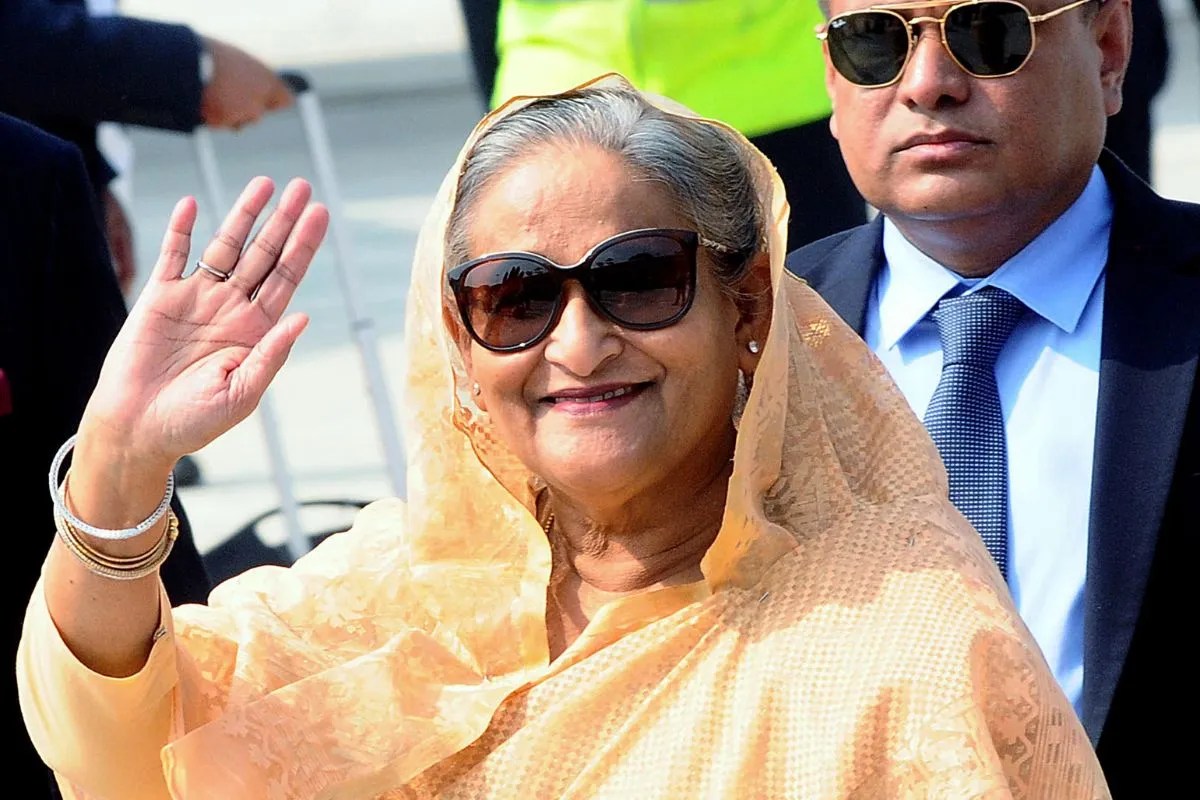
When ousted leaders talk about coming home, people listen. But when former Prime Minister Sheikh Hasina announced she wants to head back to Bangladesh by December, the political establishment didn't just listen—they called her bluff.
If you are trying to understand the sudden friction between Dhaka and the political camp led by Prime Minister Tarique Rahman, look no further than a simple timeline. Hasina wants three months. Her critics want her back today.
The Timeline Debate That Exposed Deep Political Lines
Sheikh Hasina made waves during a virtual press briefing hosted by the Foreign Correspondents Club of South Asia. She stated clearly that she plans to return to Bangladesh this December, despite knowing the severe legal risks waiting for her. Last December, Bangladesh's International Crimes Tribunal sentenced her to death over the violent unrest that shook the nation during the July-August 2024 uprising.
Knowing she faces potential arrest, imprisonment, or worse, she claimed her conscience won't let her stay away while her supporters suffer.
Tarique Rahman's camp didn't wait long to respond. Syed Moazzem Hossain Alal, a key adviser, publicly threw down the gauntlet. His message was blunt: Why wait until December?
"If she is determined, she should come now," Alal stated during a press briefing. Pointing out that August leaves months of a gap, he argued that if Hasina truly has faith in facing the judiciary and the public, she shouldn't stall.
Why the Delay Matters to Dhaka
You might wonder why a three-month gap matters so much in the grand scheme of regional politics. Optics dictate momentum. For the current administration under Tarique Rahman, letting an ousted leader dictate the schedule of her own political comeback looks like an unforced error.
The government wants to project absolute confidence in the new democratic framework of Bangladesh. By challenging Hasina to return immediately, they are testing her resolve. If she comes back now, the current judicial and administrative systems handle her on current terms. If she waits, it gives her camp time to rally international pressure, build narratives, and manage legal strategies from abroad.
The administration wants everyone to know that the country has moved past the pre-August 2024 era. They aren't interested in theatrical homecomings timed for maximum political impact.
The Sovereignty Battle and External Friction
The war of words isn't just about a calendar date. It extends straight into regional diplomacy and accusations of foreign interference.
Earlier, remarks made by Hasina's son, Sajeeb Wazed, added fuel to the fire. Wazed publicly claimed that Bangladesh had turned into "another Pakistan on India's eastern front" and questioned official death tolls from the 2024 protests.
Dhaka took severe offense. Alal condemned the remarks as direct interference in national sovereignty and anti-state activity. The official stance from the current leadership remains firm: Bangladesh operates as an independent nation with its own foreign policy, refusing to act as anyone's client state.
What Happens Next
The showdown is set. Hasina has signaled her intent to test the waters of her homeland by winter, while the administration is daring her to book a flight this week.
Expect the rhetoric to escalate. As the months tick down toward December, every statement from the diaspora and every legal move by the tribunal will be hyper-analyzed. The reality on the ground has shifted permanently, and neither side is willing to blink first.
Sheikh Hasina Answers NDTV's Question On Returning To Bangladesh
This video provides direct footage and context regarding Sheikh Hasina's virtual address discussing her intended return to Bangladesh and her perspective on the political situation.
http://googleusercontent.com/youtube_content/1