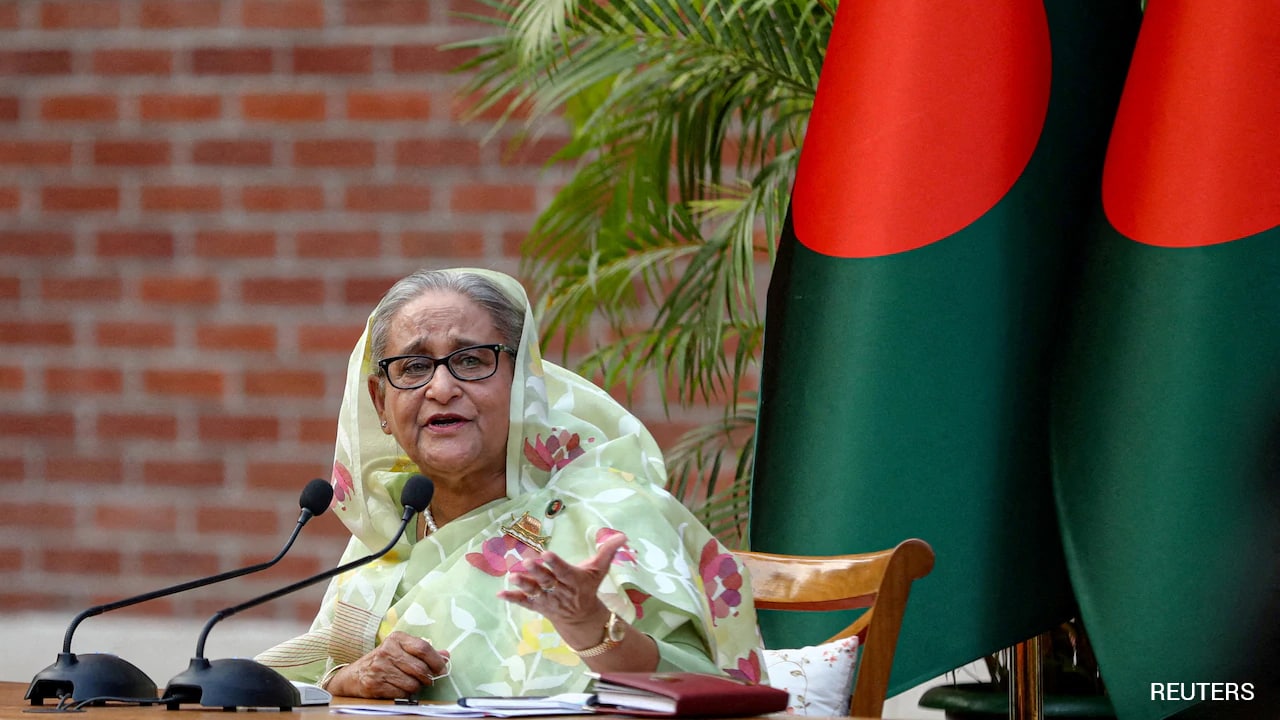
Two years after fleeing Dhaka on a military transport plane, former Bangladeshi Prime Minister Sheikh Hasina has set a target date for her homecoming. She plans to land back in Bangladesh on December 16, coinciding directly with Victory Day—the anniversary marking the country's 1971 liberation war. It is a calculated, high-stakes political move that immediately throws South Asian geopolitics into turmoil.
If you have been following the fallout from the massive student-led uprisings of August 2024, you know that Hasina's 15-year rule ended abruptly amid widespread violence. Escaping to India on a Bangladesh Air Force aircraft, she has spent the last two years living in self-imposed exile near New Delhi. Now, her spokesperson Syed Mozammel Ali has made her demands crystal clear: she wants the current administration in Dhaka to handle her travel documents and arrange a Biman Bangladesh Airlines flight out of Delhi. In related developments, take a look at: What Trump's Death Penalty Push For Child Murderers Actually Changes.
The Logistics and the Legal Clash
Why December 16? Symbolism matters immensely in South Asian politics. By picking Victory Day, Hasina is attempting to frame her return around the national identity she and her party, the Awami League, historically claimed to protect. Her camp argues that since she was forced out contrary to constitutional norms, the government now holds a legal duty to facilitate her journey home.
Yet, reality on the ground in Dhaka looks entirely different. Dhaka has already issued a formal extradition request to New Delhi. The legal landscape Hasina faces back home is severe. Following her ouster, she was handed a death sentence in connection to the violent crackdowns on protesters that left hundreds dead. USA.gov has analyzed this important issue in great detail.
Hasina has continually dismissed these proceedings as politically motivated, arguing that formal extradition treaties are unnecessary since she is willing to return voluntarily. But wanting to return and actually touching down on tarmac guarded by a hostile administration are two entirely different things.
What This Means for India-Bangladesh Relations
New Delhi finds itself caught in a remarkably tight spot. Hosting a deposed leader from a close neighbor is always diplomatically tricky. India's official stance has been that Dhaka's extradition requests are under legal review, while reports float back and forth regarding potential conditions or appeals for her safety.
By publicly throwing down the gauntlet and demanding a state-owned Biman Bangladesh flight, Hasina is shifting the pressure back onto both governments. She is forcing the interim administration in Dhaka to either acknowledge her return or openly block a former leader on a national holiday.
Meanwhile, her political party remains banned inside Bangladesh, and street-level tensions are simmering as the country reacts to news of her paperwork requests. Whether the flight from Delhi takes off on December 16 depends less on her travel schedule and entirely on how far both nations are willing to push a diplomatic standoff.