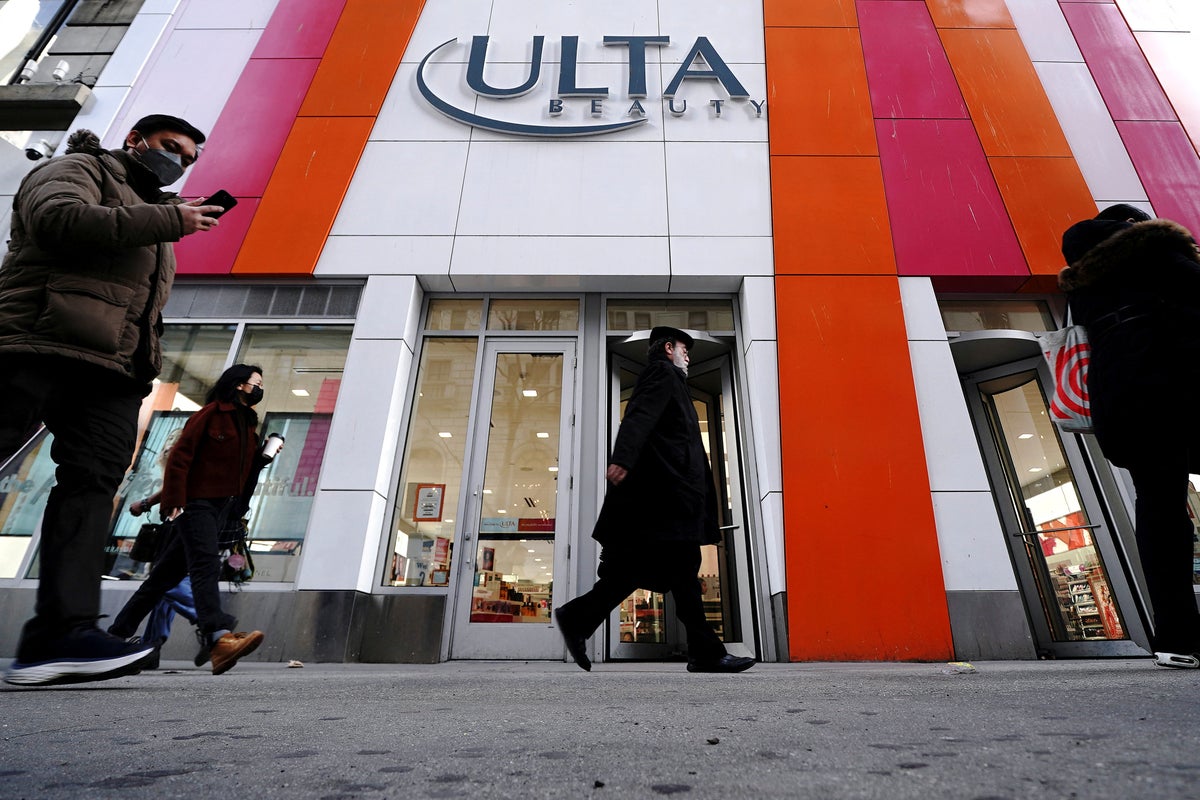
You walk into a beauty store to buy mascara, and your car's license plate gets scanned, logged, and fed into a massive private database. That's the reality hitting customers who recently found out that major retailers are inviting automated surveillance directly onto their properties. Ulta Beauty is currently caught in a massive firestorm after shoppers realized the company permits Flock Safety automated license plate recognition (ALPR) systems at select storefronts.
The backlash didn't start in a boardroom. It blew up online after viral social media posts exposed the presence of these tracking tools. For a brand whose primary demographic is overwhelmingly female, partnering with a controversial surveillance network was a massive miscalculation. People are angry, social media comments are flooded with boycott threats, and civil rights groups are stepping into the fray.
Why the Flock Camera Backlash Exploded Online
The controversy caught fire when customers realized that private commercial lots are turning into data collection hubs. Flock Safety builds networks of high-tech cameras that capture vehicle details, movements, and license plates in real time. While corporate offices frame these tools as a shield against organized retail crime, consumers see an invasive creep of Big Brother into everyday errands.
Ulta officials defended the deployment by noting that the technology is active in fewer than 1 percent of their more than 1,500 stores, typically restricted to landlord-managed parking lots experiencing severe security challenges. They argue that access is heavily restricted and meant strictly for combating high-level theft rings.
Shoppers aren't buying the corporate excuse. Trust evaporates the moment customers feel tracked while running routine errands.
The Darker Side of Automated License Plate Readers
The core issue isn't just about catching shoplifters. It's about where that data goes and who can access it. Flock's technology integrates tightly with law enforcement databases, allowing police forces to track vehicle locations automatically without needing a warrant.
Recent investigative reports from outlets like The Washington Post revealed alarming statistics regarding the misuse of these exact networks. Dozens of law enforcement officers faced accusations, charges, or arrests for abusing license plate reader databases to stalk current or former partners, wives, and girlfriends.
When civil rights organizations like UltraViolet point out that mass tracking systems put vulnerable populations at risk—including women seeking reproductive healthcare, political protesters, and marginalized communities—the conversation shifts from retail security to fundamental civil liberties. You shouldn't have to trade your right to privacy just to pick up drugstore foundation.
The Broader Retail Surveillance Trend
Ulta isn't the only company experimenting with these systems. Other major home improvement and big-box brands face similar scrutiny for embedding private surveillance tech into their real estate footprint. Retailers are panicking over shrinkage and inventory loss, but they are outsourcing their security to tech firms that build permanent panopticons in public-facing parking lots.
This creates a terrible feedback loop. Retailers install cameras to stop theft, consumers feel violated and stop shopping there, and public anger grows into organized digital protests reminiscent of the recent Target boycotts.
If you want to vote with your wallet, check your local retailer policies, voice your complaints directly to corporate customer service, and take your business to brands that respect customer privacy instead of tracking your commute.
Check out the analysis on Does Ulta Need to Get the Flock Out of Here? for a closer look at how retail giants handle tech backlash.


