We've spent two decades treating licensed movie tie-in video games as cheap, disposable marketing fodder, yet the arrival of Shrek 2 Remastered completely shatters that condescending assumption. When Aspyr Media announced they were bringing back the 2004 cult classic for modern platforms, the internet mostly treated it as a surreal meme. People laughed at the promotional trailers and joked about getting this before other long-delayed epics. But beneath the ironic social media posts lies a profound truth about game preservation and design philosophy. This release isn't just a cynical cash grab riding on nostalgic goodwill. It is a calculated validation of an era when cooperative gameplay prioritized pure, unadulterated fun over monetization models, battle passes, and endless live-service upkeep.
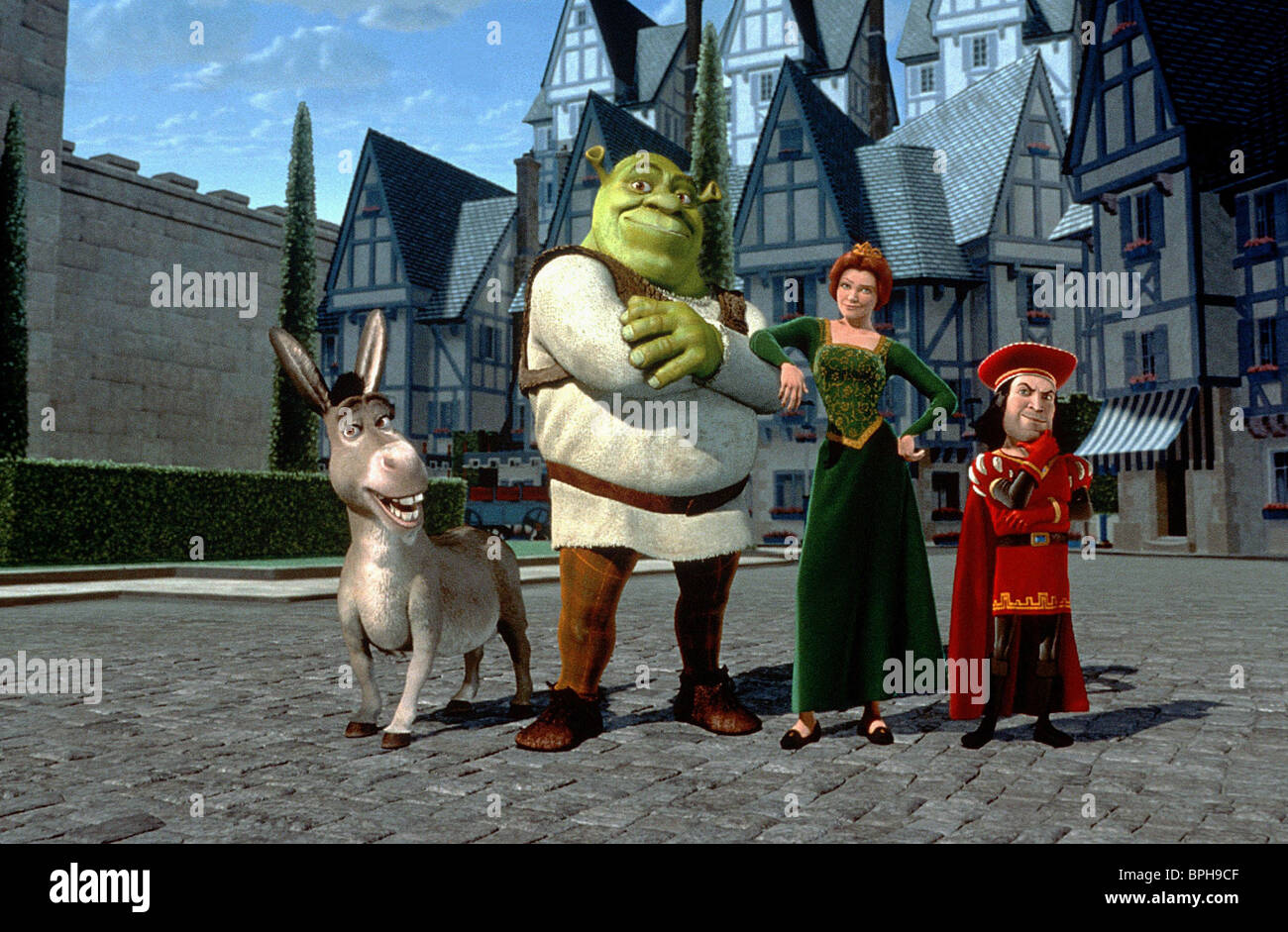
To understand why this comeback matters, you have to look past the surface-level polish and examine how the industry used to build licensed titles. Back in the sixth generation of consoles, movie games were rushed out the door to coincide with cinematic box office windows, which usually resulted in broken mechanics and forgettable levels. Yet somehow, Luxoflux and the developers behind the original release managed an improbable upset. They crafted a class-based, button-mashing adventure that mirrored Marvel Ultimate Alliance mechanics years before those conventions became standardized. You weren't just playing through a watered-down version of the film's plot. You were actively solving environmental puzzles, managing character swaps on the fly, and utilizing distinct abilities for Shrek, Fiona, Donkey, and Puss in Boots. The underlying architecture was genuinely smart. It respected the player's intelligence, offering a cooperative loop that made couch sessions memorable.
Critics often argue that looking back at these older titles through rose-colored glasses blinds us to their clunky controls and dated camera angles. They claim that reviving products from 2004 serves zero purpose outside of cheap dopamine hits for aging millennials. That perspective completely misses the point of what modern studios are failing to achieve. Today's high-budget blockbusters are bloated, hyper-serious affairs that demand dozens of hours of grinding, internet connectivity, and microtransactions just to unlock basic cosmetic variety. They lack the pick-up-and-play immediacy that defined early 2000s software. When you fire up Shrek 2 Remastered, you aren't signing up for a second job or a cinematic universe homework assignment. You're diving straight into tight, linear, cooperative level design where the only objective is to smash barrels, laugh at ridiculous fairy tale tropes, and throw items at the Fairy Godmother.
The technical execution handled by Aspyr demonstrates a thoughtful approach to breathing new life into vintage code. Upgrading textures, incorporating 4K resolution support, and adding modern conveniences like a dedicated Photo Mode don't alter the core soul of what made the original special. More importantly, integrating seamless local and online four-player co-op solves the primary friction point of the original release. Back then, you were tethered to your couch with multitap adapters and physical proximity limits. Now, you can coordinate chaotic playthroughs across different platforms without friction. It proves that the framework was always bulletproof; it simply needed the technological infrastructure of the current era to reach its full operational potential.
We live in a cultural landscape dominated by corporate safety, endless sequels that nobody asked for, and risk-averse remakes of games that barely aged out of their original plastic casing. Dusting off a licensed movie tie-in from two decades ago and giving it proper care feels genuinely subversive. It forces publishers to acknowledge that older design philosophies still hold immense value. If a goofy ogre adventure can teach modern developers how to prioritize tight pacing and cooperative joy over monetization metrics, then this revival is pulling off a miracle. The kingdom of Far Far Away was never just a joke. It was a masterclass in casual game design, and visiting it again reminds us what we lost along the way.