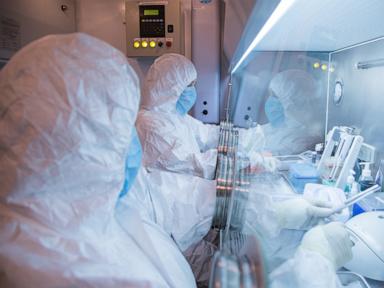
When a 28-year-old laboratory technician at the Irkutsk Anti-Plague Institute in Siberia died of severe pneumonia of unknown origin, global health monitors didn't just shrug. They panicked quietly. Darya Shipilova’s death on October 2, 2026, sparked an immediate lockdown of regional medical facilities, the quarantine of nearly 200 close contacts, and a rapid deployment of top Russian health officials. Local independent outlets pointed to a broken test tube containing live Yersinia pestis—the bacterium responsible for the plague. Official agencies stayed tight-lipped, calling it pneumonia of unknown etiology.
You don't need a degree in epidemiology to see why a potential plague leak in a remote Siberian facility sets off alarm bells worldwide. Let's break down what actually happened, why labs handling these pathogens are high-risk environments, and what this incident reveals about modern bio-surveillance.
Inside the Irkutsk Anti-Plague Institute
The Irkutsk Anti-Plague Research Institute of Siberia and the Far East isn't some random basement lab. It's a specialized state facility tasked with studying dangerous pathogens that happen to be endemic to the region. Siberia's vast wilderness contains natural reservoirs of wild rodents and fleas carrying Yersinia pestis.
Institutes like this exist to monitor outbreaks in nature and develop countermeasures. But research centers handling high-consequence pathogens carry inherent operational hazards. When human error or equipment failure collides with ancient bacteria, things go sideways fast.
Reports circulating via independent Russian media outlets like Lyudi Baikala claim Shipilova accidentally broke a test tube containing live bacteria on September 25. Days later, she developed severe respiratory distress, was admitted to a hospital in Shelekhov, placed on a ventilator, and died within a week.
While senior Russian epidemiologists have publicly disputed the broken test-tube narrative—arguing that standard protective gear makes such direct infections unlikely—the sheer scale of the official response tells a different story. When you quarantine roughly 200 people and dispatch federal health watchdogs across time zones, you aren't dealing with routine pneumonia.
The Threat of Pneumonic Plague
Most people associate the plague with medieval history books and black death imagery. They picture bubonic plague, characterized by swollen lymph nodes. But pneumonic plague is an entirely different beast.
It attacks the lungs directly. It spreads easily from person to person through respiratory droplets. Symptoms hit hard within twenty-four hours, starting with a relentless cough, shortness of breath, and rapid deterioration. Without immediate antibiotic intervention, the mortality rate approaches one hundred percent.
That is why global health agencies, including monitors in Europe and the United States, watch these developments so closely. A localized laboratory exposure involving pneumonic strains creates an immediate transmission vector. Even if antibiotics like streptomycin or gentamicin work wonders when caught early, a missed diagnosis or delayed treatment window spells disaster.
Why Official Transparency Matters
Whenever a high-security lab experiences a fatal medical incident, information gaps breed intense speculation. Russian authorities reported only that the technician died of pneumonia of unknown origin. Meanwhile, local factory managers in Shelekhov independently instituted mask mandates, and public events across Irkutsk were abruptly canceled.
This disconnect between official caution and institutional opacity creates a credibility vacuum. When transparency drops, public trust plummets right along with it. Independent observers draw parallels to past biological security breaches where initial denials preceded massive containment efforts.
You're left with a stark reality: handling dangerous pathogens requires absolute clarity, strict containment protocols, and open communication with international health partners. Operating in the shadows when a potential Yersinia pestis strain is involved invites unnecessary panic and geopolitical friction.
Moving Forward With Strict Biosafety
Accidents happen even in high-containment facilities. Human error remains the single biggest vulnerability in any biological research setting, no matter how many safety protocols are written on paper.
To prevent future tragedies, research institutes must overhaul how they handle internal exposures. Immediate self-reporting mechanisms, transparent investigations, and real-time international data sharing should be standard operating procedure. Burying an incident behind bureaucratic labels like pneumonia of unknown origin only invites worse outcomes.
Watch the region closely over the coming weeks. Pay attention to whether those quarantined contacts clear their observation periods without showing symptoms. Real biosafety isn't about hiding mistakes; it's about owning them before they become public health crises.