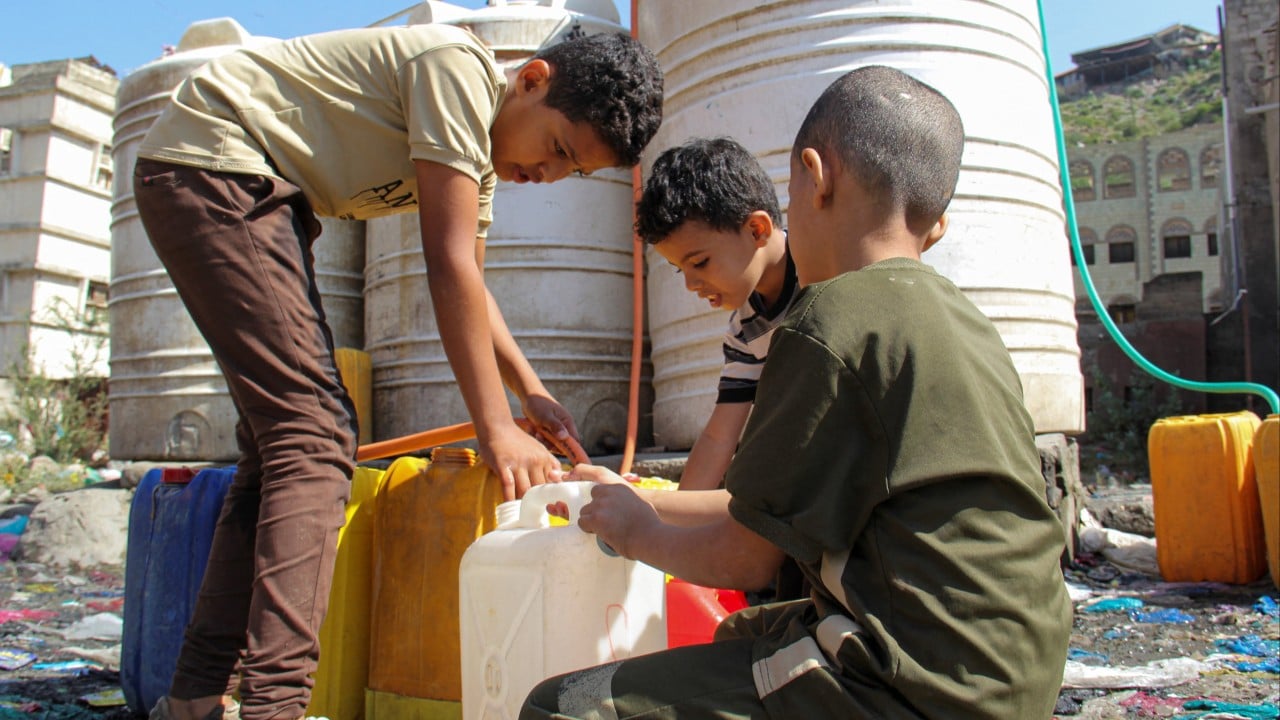
When you turn on a tap, you expect water to flow. In Taiz, Yemen’s third-largest city, families haven't seen running water from public networks in years. Today, even buying private water truck deliveries has turned into a desperate financial and physical struggle. An intensifying siege by Houthi rebels has pushed drinking water supplies in this mountain-ringed urban center to an absolute breaking point.
For the more than one million residents trapped inside, survival now means rationing every single drop. The humanitarian crisis unfolding in Taiz goes far beyond a simple shortage. It is a calculated chokehold on basic human survival, compounded by blocked roads, skyrocketing prices, and a crippling fuel deficit that has paralyzed municipal services. In similar developments, we also covered: Why Houthi Missile Attacks On Saudi Arabia Keep Testing Middle East Air Defenses.
Anatomy of an Urban Siege
Taiz has endured various forms of siege and conflict for over a decade. Yet recent weeks have brought a severe escalation. Houthi forces tightened their grip around the city after advancing in surrounding districts, cutting off crucial access roads like the vital Taiz-Aden corridor.
When supply routes close, everything stops. Water trucks—which families rely on when piped municipal water fails—cannot get through checkpoints safely. Drivers face exorbitant informal taxes, harassment, or outright bans. Families are now paying up to 75 percent more for bottled and trucked water than they did just weeks ago. TIME has analyzed this important topic in extensive detail.
You cannot drink on credit forever. Many residents are accumulating massive debts with local suppliers just to keep their children hydrated. Meanwhile, fuel shortages mean that the backup generators needed to run deep-well pumps sit idle. Without electricity or diesel, public wells are useless slabs of concrete.
The Looming Public Health Nightmare
Water scarcity never travels alone. When clean water disappears, disease moves in. United Nations agencies and humanitarian groups like Amnesty International have sounded the alarm over mounting piles of uncollected garbage rotting along major roads in Taiz.
Sanitation workers cannot reach the city’s primary dumping sites because active combat lines sit barely five kilometers away. With garbage trucks immobilized by fuel shortages and blocked paths, municipal workers have resorted to burning trash directly in the streets. The thick, toxic smoke mixes with the stifling heat, while uncollected waste attracts flies and vermin.
International health monitors warn that this cocktail of filth and stagnant water creates an ideal breeding ground for cholera and other waterborne illnesses. Hospitals, already struggling with intermittent power and a lack of medical supplies, are bracing for a wave of preventable infections among displaced populations. Taiz province has absorbed roughly 124,000 displaced people since August alone, stretching an already broken infrastructure to snapping point.
What Humanitarians Are Demanding
Pressure is mounting on international bodies to intervene, but political deadlock leaves civilians paying the ultimate price. Human rights organizations are explicitly demanding that Houthi forces immediately lift restrictions on civilian movement and open the roads into Taiz.
Aid agencies are calling for emergency humanitarian corridors dedicated solely to water tankers, medical shipments, and fuel imports. Without immediate action to guarantee safe passage, the humanitarian catastrophe inside the city will deepen into something far worse.
If you are following the geopolitical chessboard of the Middle East, it's easy to get lost in talk of shipping lanes, Red Sea security, and regional proxy conflicts. But on the ground in Taiz, the war isn't about naval strategy or oil corridors. It's about whether a mother can find enough clean water today to keep her family alive.


