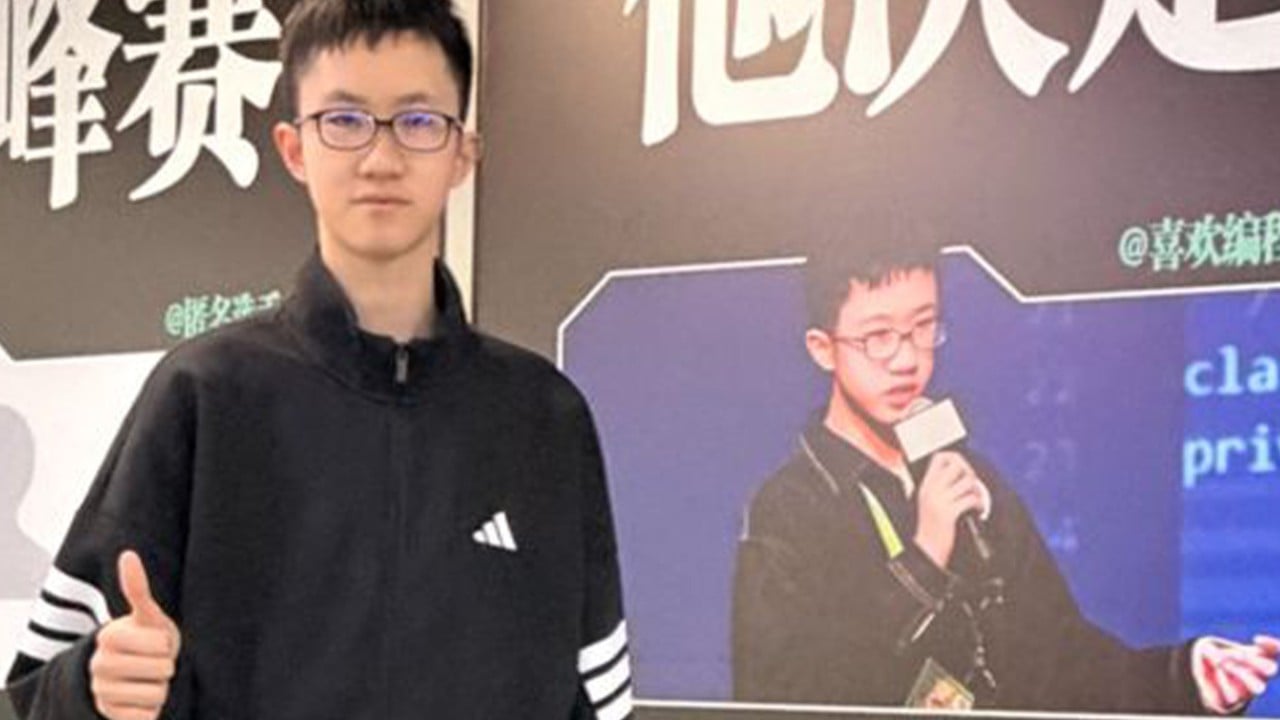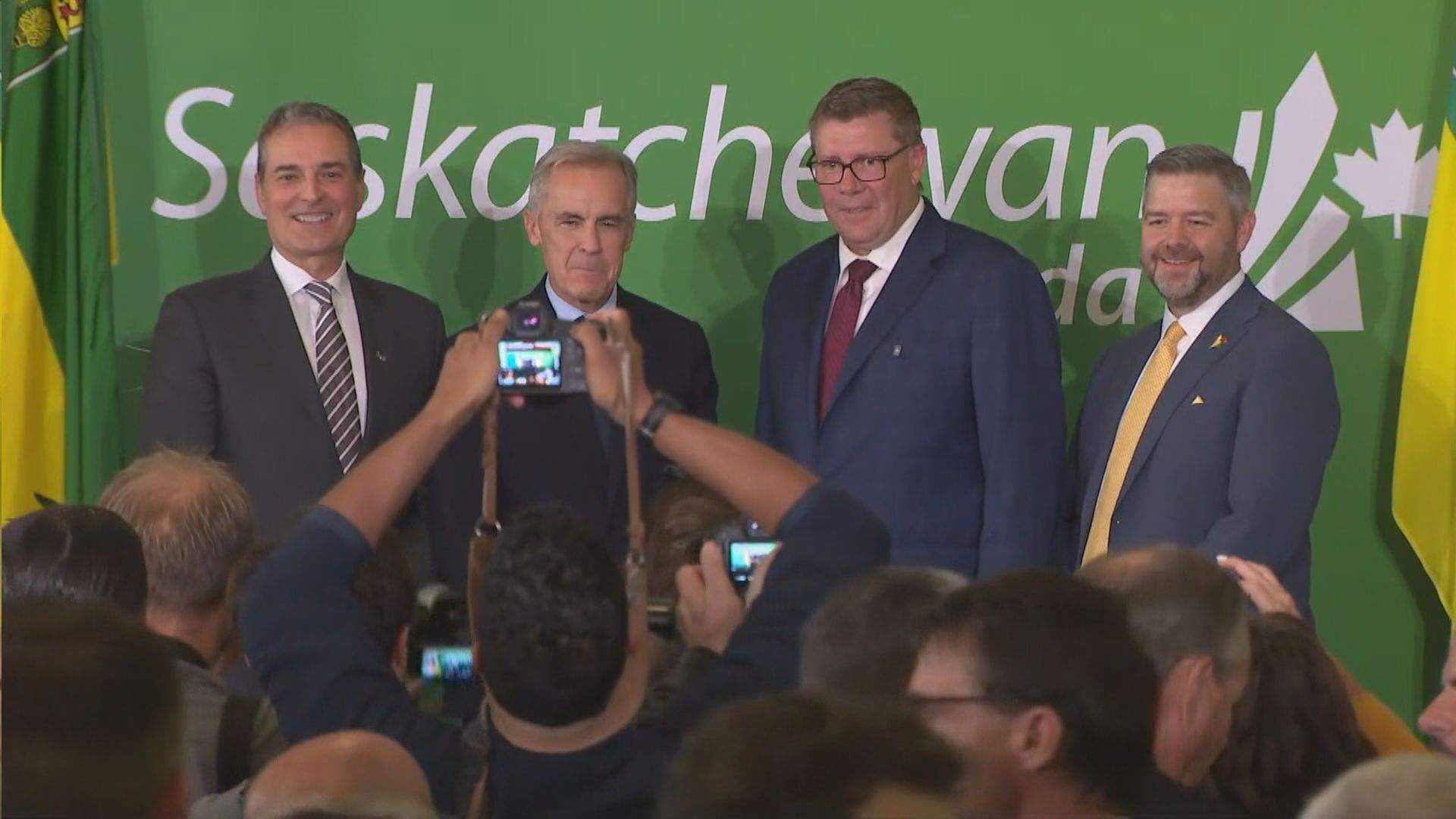
When Donald Trump rolls out the diplomatic red carpet for Chinese President Xi Jinping on September 24, the guest list at the White House won't just feature traditional politicians. Tech billionaires are crashing the state dinner. OpenAI Chief Executive Officer Sam Altman, Nvidia CEO Jensen Huang, and Apple Executive Chairman Tim Cook are all slated to attend.
You aren't looking at a standard diplomatic photo-op. You're looking at the intersection of geopolitics, trade negotiations, and the modern artificial intelligence race.
Silicon Valley Meets Statecraft
State dinners are rare honors usually reserved for traditional allies. Hosting Xi Jinping signals a calculated move by the Trump administration. It happens against a backdrop of simmering trade disputes, tariff discussions, and intense anxiety over who commands the future of machine learning.
Why bring tech moguls to a high-stakes diplomatic banquet? Because hardware and software are the new geopolitics.
Nvidia builds the silicon engines powering global machine intelligence. OpenAI defines the frontier of generative models. Apple moves massive supply chains through Asian manufacturing hubs. When the leaders of the world's two largest economies sit down to talk, hardware shortages, export controls, and compute capacity are likely on the menu just as much as trade deficits.
The Artificial Intelligence Elephant in the Room
Artificial intelligence sits front and center of this high-level summit. Just days before the Washington gathering, Trump publicly dismissed widespread alarms over frontier model risks, echoing sentiments shared by industry figures like Huang.
Yet the friction remains real. Silicon Valley is split. Some researchers and companies argue for strict guardrails and slow-downs, while hardware titans and scaling advocates push to move fast. Meanwhile, Beijing watches every export restriction on advanced chips with intense scrutiny.
Altman and Huang walking into the White House dining room isn't just about enjoying fine food. It gives industry leaders direct earshot of executive power when policies are shaped. Trade truces hang in the balance. Rules on semiconductor exports could shift.
What Comes Next
Diplomacy in the twenty-first century runs on microchips and neural networks. Watch the outcome of the September 24 summit closely. If tariff reductions or tech supply agreements emerge from the smoke, you'll know why the tech sector's heavy hitters had a seat at the table.
Expect immediate ripples across global markets, chip supply chains, and regulatory chatter in Washington and Beijing. Don't expect the tech-geopolitics collision to cool down anytime soon.