Singapore's strict stance on racial harmony is facing a serious stress test. Law enforcement agencies recently identified and interviewed five individuals aged between 29 and 66 over toxic online remarks. These comments targeted two separate events: the tragic flash floods in the Nepal-Tibet region and Singapore Airlines' corporate investment in Air India.
When a society prides itself on a multi-ethnic identity, letting hate speech slide online isn't an option. Prime Minister Lawrence Wong and Senior Minister K. Shanmugam didn't mince words. They made it clear that hiding behind legitimate public policy debates to push xenophobic agendas won't fly.
The Anatomy of the Outrage
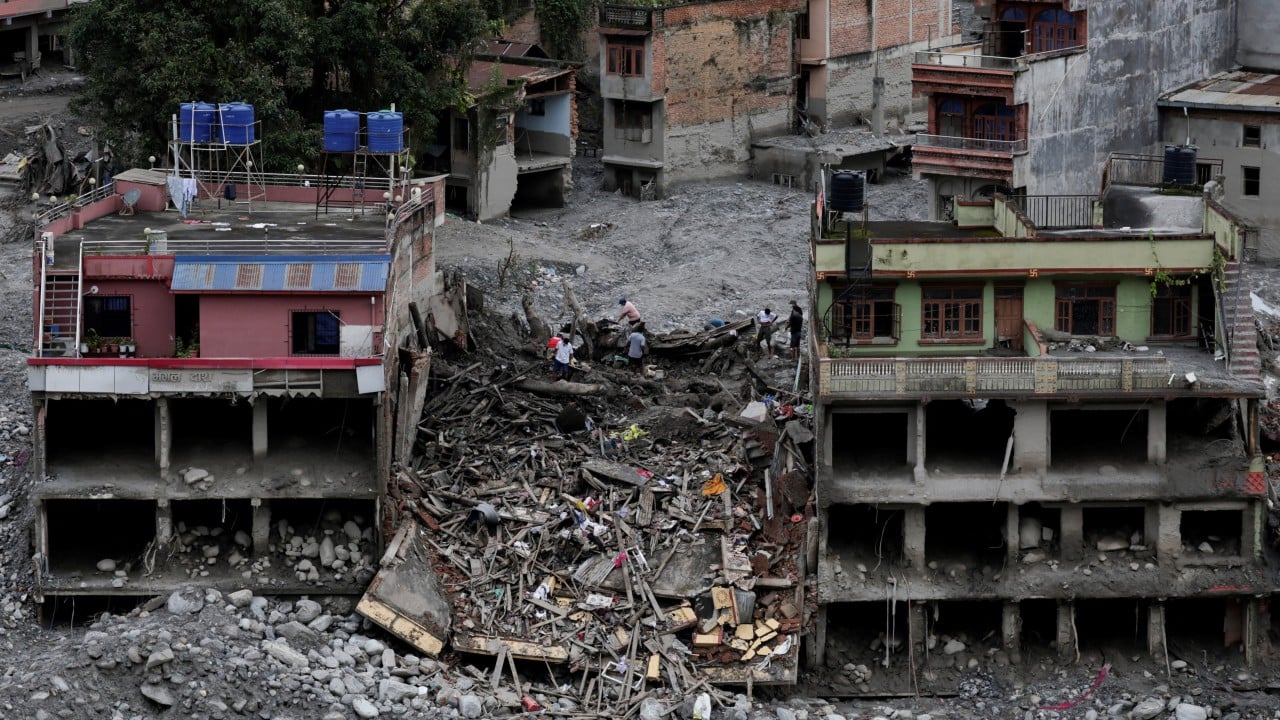
The controversy erupted following catastrophic floods in the Nepal-Tibet region that left nine Singaporeans missing. Instead of offering basic human empathy during a crisis, a small minority of internet users weaponized the tragedy. Some comments questioned the citizenship and identities of the missing individuals based on their names and appearances, dragging ugly racial prejudice into an active disaster.
Worse still, the backlash spilled over into economic discussions. News that Air India was seeking fresh equity from shareholders—including a 25.1 percent stake held by Singapore Airlines via a partnership with the Tata Group—triggered a wave of anti-Indian commentary. Social media posts dragged out tired tropes involving snakes, curry, and black magic, while personal attacks targeted top corporate executives like Temasek chief executive Dilhan Pillay Sandrasegara.
Critics attempted to mask their hostility as financial caution, claiming executive ethnicity would inherently bias business decisions. Top government officials saw right through the disguise.
Why Singapore Won't Treat This as Harmless Chatter
You might wonder why a few nasty internet comments warrant active police intervention. In many Western nations, online vitriol is dismissed as the toxic cost of free speech. Singapore plays by a different rulebook.
Senior Minister Shanmugam publicly denounced the remarks as shameful and entirely unacceptable. He noted that overseas social media accounts are increasingly fanning local racial tensions. Prime Minister Wong backed this up, emphasizing that if unchecked, online hostility normalizes prejudice. It eats away at trust between communities until the social fabric tears apart.
Singapore's population is finely balanced among Chinese, Malay, Indian, and other minority communities. Preserving that equilibrium requires a zero-tolerance policy toward speech designed to wound racial feelings or incite hostility.
The Response From Authorities
The enforcement mechanism moved fast. Police confirmed they received multiple reports and hauled in five suspects for questioning under laws protecting racial harmony. Meanwhile, the Ministry of Digital Development and Information pressed social media platforms to strip away guideline-violating posts before they spread further.
On the corporate front, Transport Minister Jeffrey Siow stepped into parliament to shut down speculation regarding the national carrier. He clarified that Singapore Airlines' stake in Air India exerts zero adverse impact on operational capabilities. The foreign carrier's financial liabilities remain completely separate from the airline's balance sheet.
Legitimate policy questions are welcome in public discourse. Bigotry disguised as analysis is not. If you want to debate corporate governance or international airline partnerships, stick to the balance sheets and leave the racist tropes at the login screen.