International football is rarely just about what happens on the pitch. It's about logistics, marginal gains, and political theater. When England lined up against World Cup co-hosts Mexico at the Azteca Stadium, they didn't just overcome a hostile crowd, a thin atmosphere, and a Jarell Quansah red card to win a 3-2 thriller. They also reaped the rewards of behind-the-scenes political maneuvering that went all the way up to 10 Downing Street.
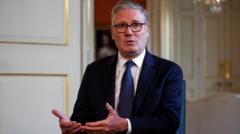
Outgoing Prime Minister Sir Keir Starmer found himself deployed in a bizarre diplomatic battle with FIFA. The core issue? A major row over shifting the match kickoff time that could have heavily disadvantaged Thomas Tuchel's squad.
The Six Hour Shift That Threatened England's Tournament
The drama started when FIFA quietly explored bringing the high-stakes round-of-16 match forward. The game was locked in for a 1:00 AM Monday kickoff UK time (6:00 PM Sunday local time in Mexico City). However, facing heavy forecasts of severe evening thunderstorms and potential flooding, football's governing body panicked. They opened talks to move the match forward by six hours to midday local time.
Moving a kickoff time seems simple on paper, but it's a nightmare for performance staff. The Football Association (FA) was stunned by the proposal and immediately realized the physiological danger it posed to the squad.
The Three Lions had flown into the extreme altitude of Mexico City from their training base in Kansas City just 48 hours before the match. Acclimatization to high altitude takes time. Playing at midday under a scorching Mexican sun with zero time to adjust would have completely drained the players. Mexico, entirely comfortable with the local conditions, would have gained a massive physical advantage.
Downing Street Launches a Diplomatic Counter-Attack
Sensing a looming sporting disaster, the FA didn't just complain to FIFA officials. They rang Downing Street.
Sir Keir Starmer directed the UK Government to intervene through formal diplomatic channels. Downing Street explicitly opposed the time change, arguing it directly compromised England’s ability to compete fairly on a level playing field.
Starmer later revealed the scale of the frantic back-and-forth negotiations during a Downing Street reception. He admitted the government had to "battle" alongside the FA to protect the original schedule, calling the political arm-wrestling match intense but necessary.
It wasn't the Prime Minister's only footballing intervention of the week. He had already rushed through emergency legislation to allow British pubs to adjust their licensing hours and stay open until 5:00 AM.
"Football might be coming home but we're making sure fans don't have to," Starmer famously stated.
The move paid off heavily for the UK hospitality industry. Heineken UK reported a massive 67% surge in pub sales during the early hours, with lager sales jumping 76% and cider skyrocketing by 127% as millions stayed up to watch the drama unfold.
Chaos, Lightning, and the Reality of the Azteca
While the political intervention successfully blocked FIFA's midday shift, nature had the final say anyway. The severe weather that FIFA feared materialized exactly on cue.
Three hours before the scheduled 1:00 AM UK kickoff, violent electric storms rolled over Mexico City. The Azteca Stadium instantly activated its strict thunderstorm safety protocols. Nobody was allowed onto the pitch, the turnstiles were locked, and the teams were held back as deafening cracks of thunder shook the arena.
Live on the BBC, presenter Kelly Cates had to interrupt pundit Wayne Rooney mid-sentence to announce that the broadcast was on hold and kickoff was officially delayed by an hour.
The match finally got underway at 2:00 AM UK time. Despite the storm chaos, the extra hour of rest and the cooler night air validated the FA's insistence on avoiding a midday kickoff. England looked sharp, coped with the thin air, and secured their spot in the quarter-finals against Norway.
How to Handle Major Event Disruptions
If you're managing commercial hospitality, running a sports screening, or planning a major viewing event, sudden scheduling shifts can ruin your revenue. Use these steps to insulate your business from late logistical chaos.
- Secure Flexible Licensing Early: Don't rely on standard operating hours. Apply for temporary event notices or extended licenses well in advance of major international tournaments.
- Build Direct Supplier Channels: Establish immediate contact lines with food and beverage distributors. If an event gets delayed or extended, you need to know your supply chain can handle a sudden spike in late-night demand.
- Create a Real-Time Fan Communication Plan: Set up automated SMS alerts or dedicated social media channels to update your patrons on scheduling changes, gate openings, or weather delays the second they happen.