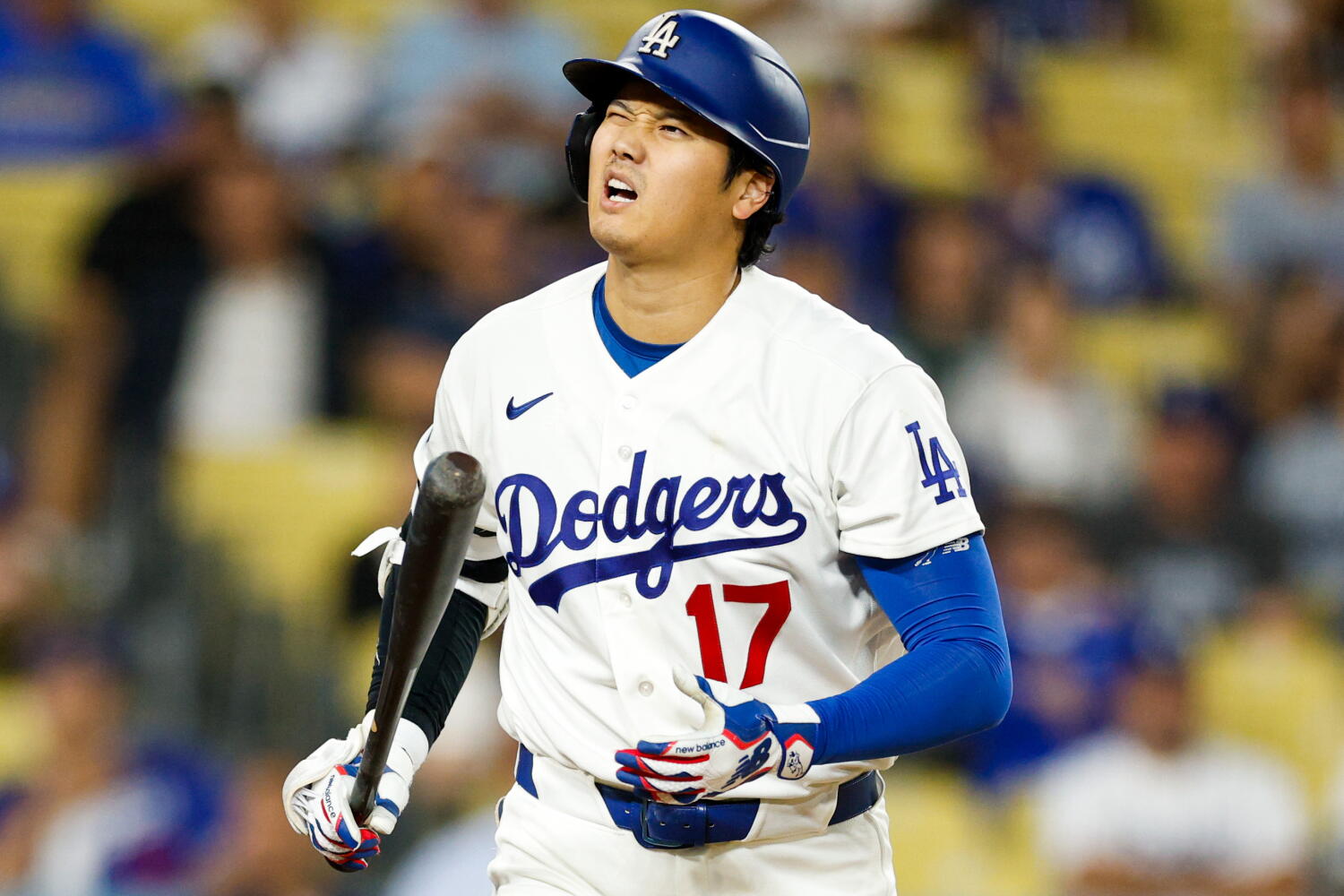
When a seven-hundred-million-dollar superstar sits on the bench for three consecutive games, panic naturally sets in across Los Angeles. Shohei Ohtani missed his third straight game for the Los Angeles Dodgers due to lingering discomfort in his left knee and right biceps, marking a rare multi-game absence since he joined the club. Fans are sweating, social media is spiraling, and everyone wants to know if an injured list stint is coming. Honestly, you shouldn't panic just yet. The Dodgers are playing a high-stakes chess match, and preserving Ohtani for October matters a whole lot more than a random September series.
Manager Dave Roberts finds himself walking a tightrope. He needs his marquee bat in the order, but he also needs a healthy athlete when the postseason rolls around. Ohtani's recent slump—including a rough night against the St. Louis Cardinals where he struck out four times and winced after a swing—made it obvious he wasn't operating at full strength. Pushing through pain sounds heroic in movies, but in professional baseball, it's a fast track to a ruined season. Let's look at what's actually happening behind the scenes and why this conservative approach is completely justified. Read more on a related topic: this related article.
The Physical Toll of Being a Two-Way Phenom
You cannot treat Shohei Ohtani like a normal baseball player because nobody else does what he does. Balancing elite designated hitter duties with a pitching rehab program creates massive physical stress. Ohtani has been restricted to the DH role since his last pitching appearance, yet the cumulative workload catches up eventually.
Left knee soreness paired with right biceps discomfort creates a nightmare scenario for a left-handed power hitter. Every violent swing requires heavy lower-body torque and shoulder rotation. If either joint flares up, your timing vanishes, your power disappears, and your batting average plummets. Watching him grind through an ugly 7-for-51 stretch proves that his mechanics were compromised by pain long before he took a seat on the bench. Additional journalism by CBS Sports highlights similar views on this issue.
The Injured List Dilemma and Backdating Rules
Baseball operations work under strict rules, and the Dodgers are currently weighing whether to backdate an IL stint. Because Ohtani is registered as a two-way player, any trip to the injured list carries a mandatory fifteen-day minimum rather than the standard ten days for position players. That distinction acts as a major deterrent for a front office that hopes to get their star back as soon as possible.
However, backdating the move gives the team some breathing room. Roberts reported positive signs after Ohtani took swings in the indoor batting cages without reporting immediate pain. If his progression stalls, pulling the trigger on an IL stint protects the team and gives his body the comprehensive break it has lacked for months.
What the Dodgers Gain by Playing It Safe
Los Angeles holds a comfortable cushion in the National League West standings. They don't need to exhaust their marquee player to secure a playoff spot. Letting Tommy Edman slide into the leadoff spot and mixing in options like Teoscar Hernández at designated hitter keeps the offense afloat while Ohtani heals.
Managerial decisions get heavily scrutinized in a major market like Los Angeles. Critics point back to earlier decisions regarding his workload management after his knee lubricant injection over the summer. Hindsight is easy when a player struggles. Right now, focusing on immediate recovery beats worrying about past scheduling choices. Ohtani's mood has reportedly lightened up as the rest days accumulate, proving that physical relief brings mental peace.
Take a deep breath and trust the medical staff's cautious timeline. Keep an eye on his batting cage updates ahead of the next series finale, but expect the organization to err on the side of caution. Stop stressing over regular-season box scores and start preparing for October baseball.