You used to think a six-figure salary meant freedom. You could grab takeout on a Tuesday without checking your bank account. You could book a table for Saturday night without calculating the tip.
Not anymore.
Recent survey data from Restaurants Canada, conducted via Angus Reid with 1,500 participants, shows a surprising shift in dining habits. High income earners are cutting back on restaurant meals faster than almost anyone else. Eighty per cent of all respondents reported eating out less due to cost pressures. For households pulling in $100,000 or more annually, 78 per cent admitted they are dining out less often, jumping significantly from 70 per cent just a year prior.
The economic squeeze has moved past the working class. It is hitting the middle and upper-middle classes right where it hurts.
The K Shaped Economy Hits the Dinner Table
Analysts call it a K-shaped economy. One leg shoots upward for the ultra-wealthy, while the other plummets for everyone else. But even people on the higher half of that split are starting to feel the pinch.
When inflation drives up the cost of groceries, rent, fuel, and utilities all at once, discretionary spending takes a massive hit. It doesn't matter if you make $120,000 a year if your mortgage renewal just spiked your monthly payments by eight hundred dollars.
Households earning between $50,000 and $100,000 saw 81 per cent cutting back. Meanwhile, those making under $50,000 sat at 87 per cent. They had already cut everything they could trim. High income earners are just catching up to a reality that low income households have managed for years.
It is Not Just About Price. It is About Value.
Have you looked at a casual dining menu lately? A basic burger, a soft drink, tax, and a standard tip can easily clear thirty dollars per person.
People are starting to question the math. When you pay double what you used to for a meal, you expect quality and an experience. Instead, you often get smaller portions, rushed service, and automated checkout screens asking for twenty percent tips.
Consumer and retail analyst Bruce Winder points out that people are thinking twice about the sheer value they are getting. You know you are paying a lot more and getting a lot less. That realization destroys customer loyalty real quick.
This shift explains why 61 per cent of survey respondents said they would visit table service restaurants more often if they simply had extra cash. The desire to eat out hasn't vanished. The budget has.
The Ripple Effects on Your Finances
When high earners pull back from restaurants, entire industries feel the shockwave.
- Local restaurants: Independent spots close their doors because margins are razor-thin.
- Food suppliers: Distributors see lower volume orders.
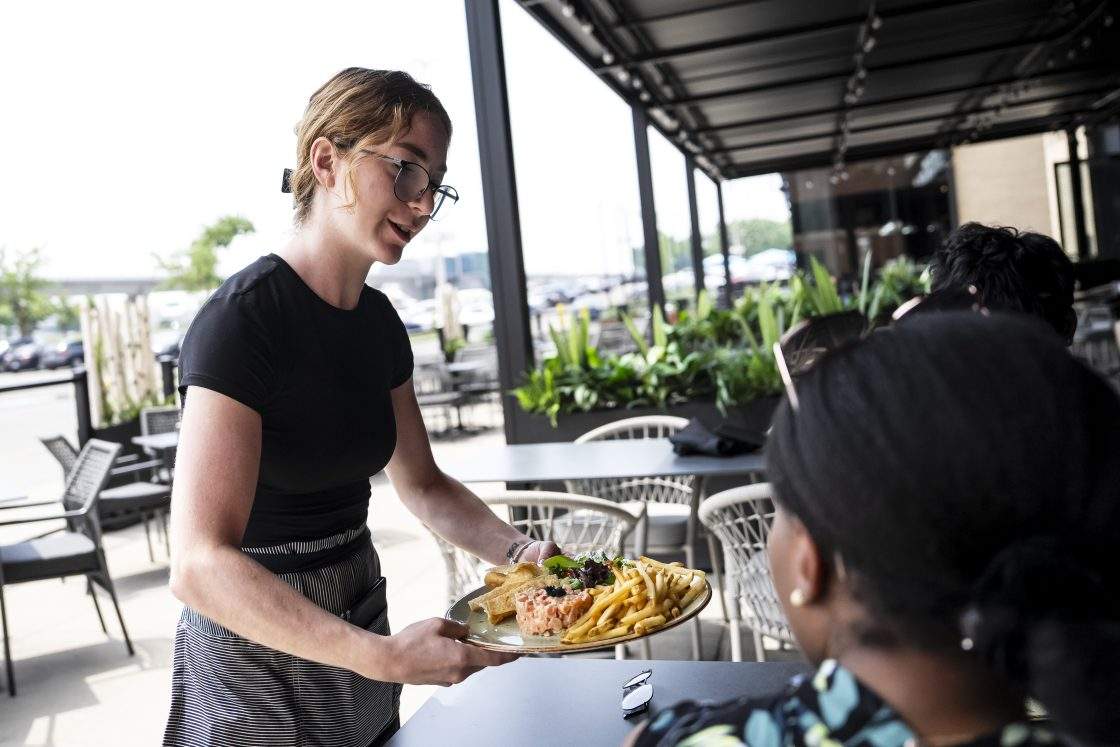
- Service workers: Tips drop, forcing staff to look for work outside hospitality.
If you are trying to navigate this financial climate yourself, stop feeling guilty about cooking at home. The cultural narrative that eating out is a harmless little treat falls apart when a simple dinner for two costs as much as a week of groceries.
Take a hard look at your monthly spending. Separate what brings you actual joy from what you do out of pure habit. You might find that skipping the mediocre Wednesday night takeout funds a much better vacation later.
The restaurant industry has to adapt or shrink. Until then, you are smart to keep your wallet closed.