Amusement park thrills rely on a delicate balance between perceived danger and absolute mechanical security. When that balance breaks, the consequences are catastrophic. Following a tragic accident at Six Flags Over Georgia earlier this month, the company announced a major safety pivot that will change how millions of guests ride.
Chief Executive John Reilly confirmed that Six Flags will install secondary seat belts on the Goliath roller coaster and comparable attractions across its properties. This decision comes in the wake of an incident on October 12, 2026, where 42-year-old Hassan Jihad Ibn Kariem fell from the 200-foot steel hypercoaster and died. The accident left guests and industry experts questioning the redundancy of existing restraint systems.
The Reality of Clamshell Restraints
For years, coasters designed by Bolliger & Mabillard (like Goliath) utilized hydraulic or mechanical "clamshell" lap bars without auxiliary seat belts. These U-shaped restraints secure riders across the thighs and waist, relying on ratcheting mechanisms and sensor lights to signal dispatch readiness.
Coaster enthusiasts often champion these clamshells for offering maximum freedom of movement while keeping riders firmly planted during negative-G airtime hills. But critics and safety advocates point out a glaring flaw. When a single primary restraint system is all that stands between a rider and a 70-mph drop, there is zero margin for error.
If a restraint fails to lock properly, isn't checked thoroughly by ride operators, or shifts during operation, a catastrophe becomes possible.
The Immediate Fallout and Closures
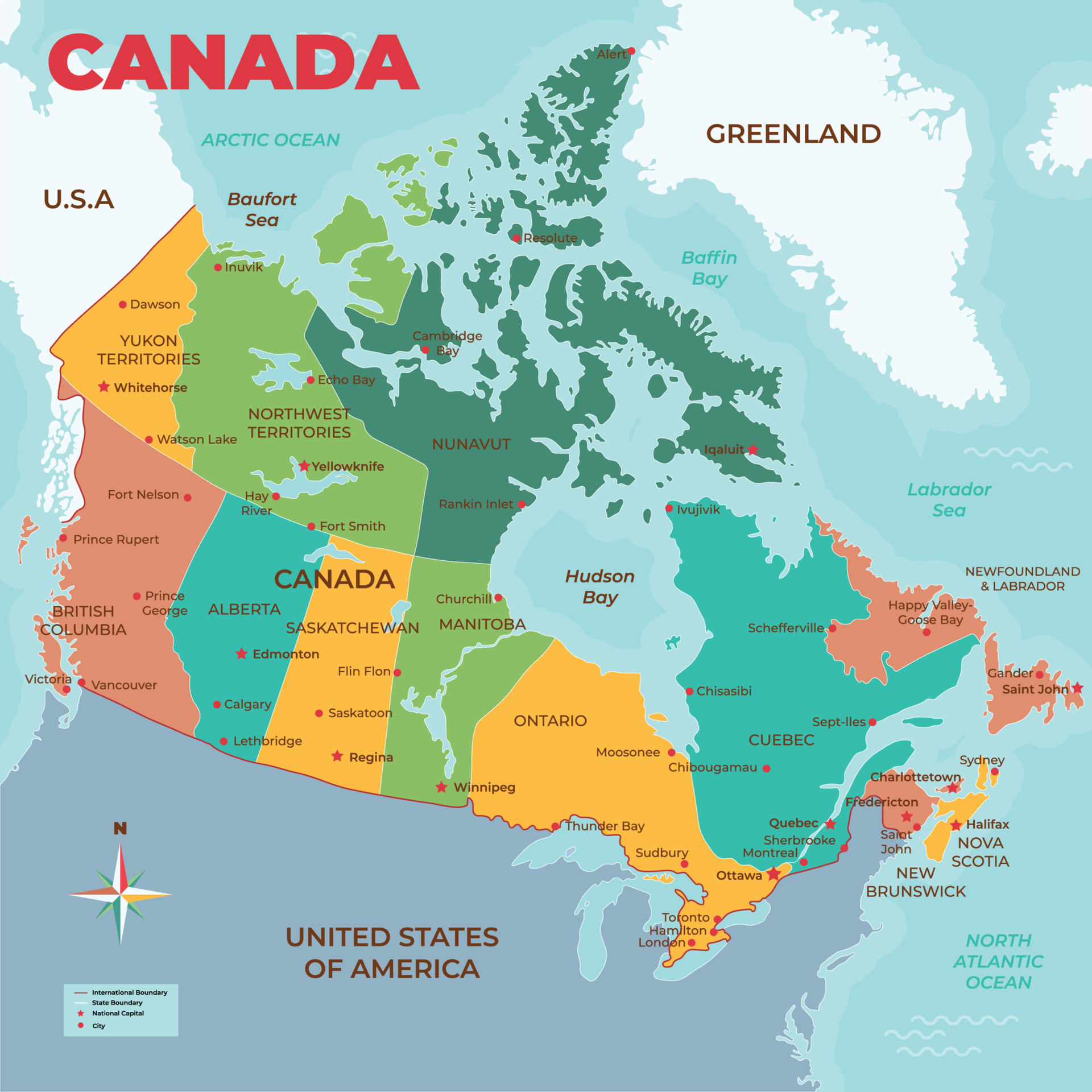
The incident triggered an immediate operational freeze across North America. Six Flags temporarily shuttered nine similar roller coasters across five parks, including locations in Gurnee, Illinois; Jackson Township, New Jersey; Charlotte, North Carolina; Mason, Ohio; and Vaughan, Ontario.
Beyond installing physical seat belts, Six Flags is bringing in independent engineers and ride inspection specialists. These outside experts will review safety protocols, maintenance logs, and operating procedures from top to bottom.
Inspections of this scale cost money and time, but public trust is harder to regain once lost. Park attendance figures often dip following high-profile safety failures, forcing operators to act decisively to reassure the public.
Why Secondary Restraints Matter
In the theme park industry, redundancy isn't overkill—it's basic risk management. Aviation and automotive design rely on multiple layers of protection precisely because human error and mechanical quirks happen.
Many other major amusement parks already use secondary seat belts on similar hypercoasters as an extra layer of insurance. Adding a buckled belt doesn't eliminate every risk, but it forces a second physical check by ride operators. It prevents a scenario where a partially engaged lap bar can slip completely unnoticed during high-speed lateral turns.
Amusement ride oversight in the United States remains a patchwork quilt of state regulations and self-reporting, meaning proactive corporate changes carry immense weight. By retrofitting these rides with seat belts, Six Flags is bowing to a harsh reality: riders expect absolute proof that they won't fall.
Safety upgrades shouldn't require a tragedy to happen first, but when they do arrive, they must be implemented thoroughly and transparently.
New questions on safety systems after Georgia roller coaster death
This video provides an overview of the safety system questions raised following the tragic incident at Six Flags Over Georgia.