Food banks aren't supposed to fail. Yet, small operations across the prairies are buckling under the exact pressures they were built to fix.
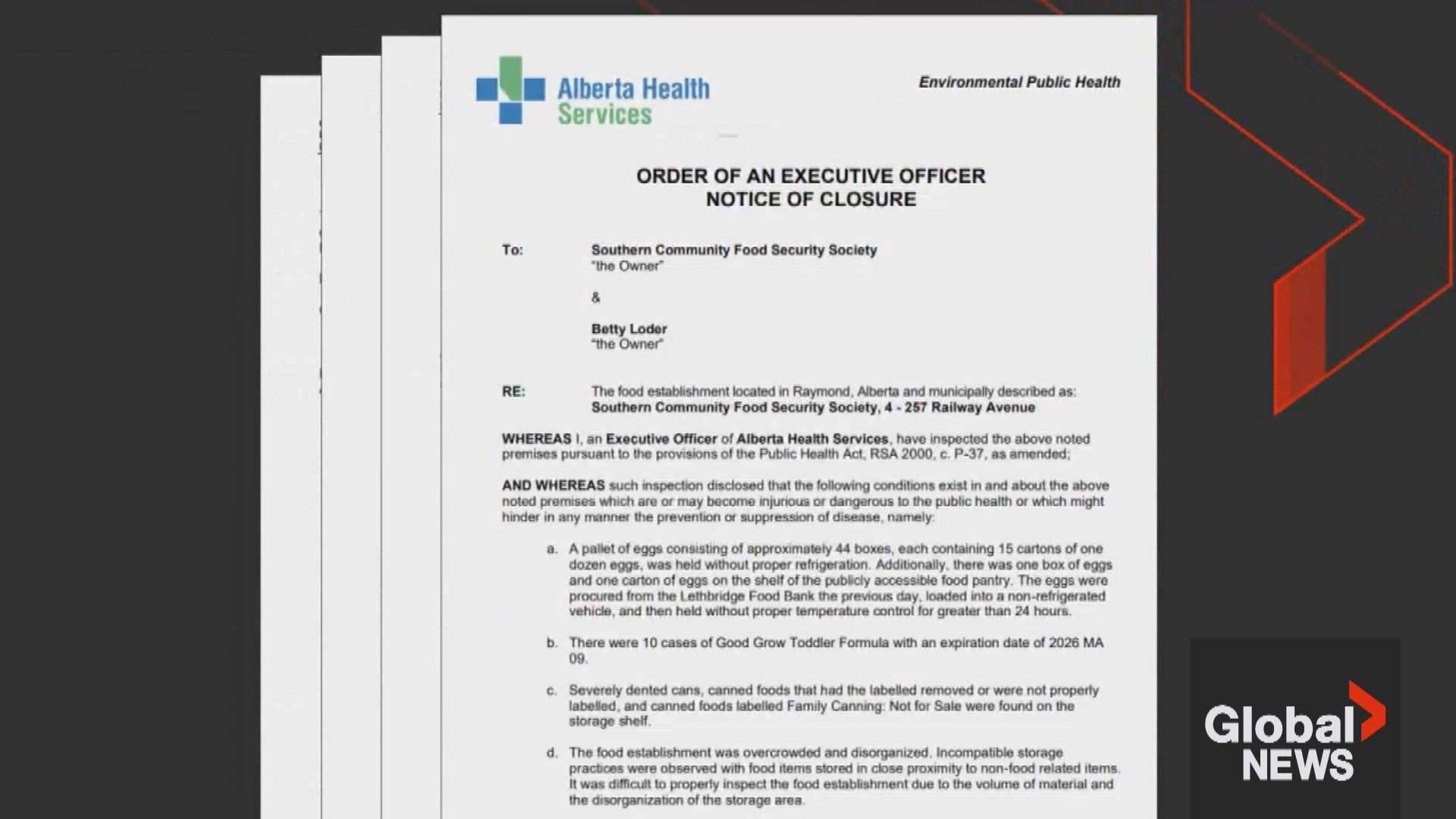
When Alberta Health Services ordered the immediate closure of the Southern Community Food Security Society in Raymond, Alberta, it didn't just mark the end of a local pantry and thrift store. It exposed a brutal reality facing grassroots charities right now. Volunteers are exhausted, operating margins don't exist, and the safety net protecting rural communities is fraying at the edges.
Let's look at what actually happened, why it matters, and what small-town resource models need to change.
The Breaking Point Behind the AHS Shutdown
Public health inspectors didn't show up to ruin a good thing out of nowhere. The enforcement order issued on August 14, 2026, laid out severe infractions. Inspectors found mouse droppings near food storage zones, unchilled eggs sitting by the pallet load, expired toddler formula, and three cats roaming freely through the facility.
Bad housekeeping? Absolutely. But if you've ever stepped foot inside an underfunded rural food charity, you'll recognize the systemic rot that causes these violations.
The facility was drowning in volume. Overwhelmed storage spaces and open loading doors invite pests when there aren't enough hands to keep the warehouse secure. When a charity relies on a tiny rotation of aging volunteers to haul hundreds of thousands of pounds of goods, corners get cut. Safety protocols slip. People burn out.
Operating since 2022 to serve a town of roughly 4,000 residents southeast of Lethbridge, the society tried to carry an impossible weight.
The Untold Story of Volunteer Fatigue
Public health citations make for shocking headlines, but the real culprit here is chronic scarcity.
In their public statement announcing permanent dissolution, the charity's leadership didn't hide their exhaustion. They pointed directly to a severe shortage of able bodies willing to handle the punishing manual labor required to sort, lift, and distribute mass donations.
Running a food bank is heavy industrial work disguised as community service. You are moving pallets, sorting rotting produce, and dealing with administrative overhead on zero sleep.
Worse still, the society called out friction with local municipal authorities, citing a lack of backing and roadblocks thrown up against their mission. Whether it's municipal red tape or zoning headaches, small-scale non-profits frequently find themselves isolated when trying to navigate bureaucratic compliance.
What This Means for Rural Food Security
Raymond isn't a ghost town, but losing its primary grassroots food bank leaves a massive void. Mayor Bryce Coppieters and local groups pointed residents toward alternative measures like small local free pantries or faith-based assistance.
Towns can't survive on Little Free Pantries alone. Those boxes are great for a box of macaroni or a can of soup in a pinch. They cannot sustain families dealing with long-term economic precarity.
When a central distribution hub dies, the strain spills over to neighboring communities like Lethbridge, forcing larger regional food banks to absorb clients they aren't staffed to handle.
Lessons From a Failed Non-Profit Model
If there is a silver lining to this messy closure, it's a harsh roadmap for what needs to fix. Grassroots charities cannot rely on pure passion and hope to meet basic health and safety standards.
Here is what needs to change if we want community-led food security to survive:
- Professionalize Logistical Support: Municipalities need to step up before a crisis hits, offering logistical grants or warehouse space that meets health codes, rather than letting volunteer-run groups figure it out in converted retail spaces.
- Enforce Realistic Capacity Caps: Charities need permission to say no. When donation volume outpaces volunteer headcount, taking on more food than you can safely store or inspect is a recipe for disaster.
- Build Regional Networks: Isolated micro-charities are vulnerable. Tying small-town pantries directly into larger regional food distribution networks ensures proper cold-chain management and professional oversight before health inspectors have to step in with a padlock.
The closure in Raymond should make every small town in Western Canada uncomfortable. If we don't start funding and protecting the people who run our local food banks, the safety net will keep collapsing one health inspection at a time.