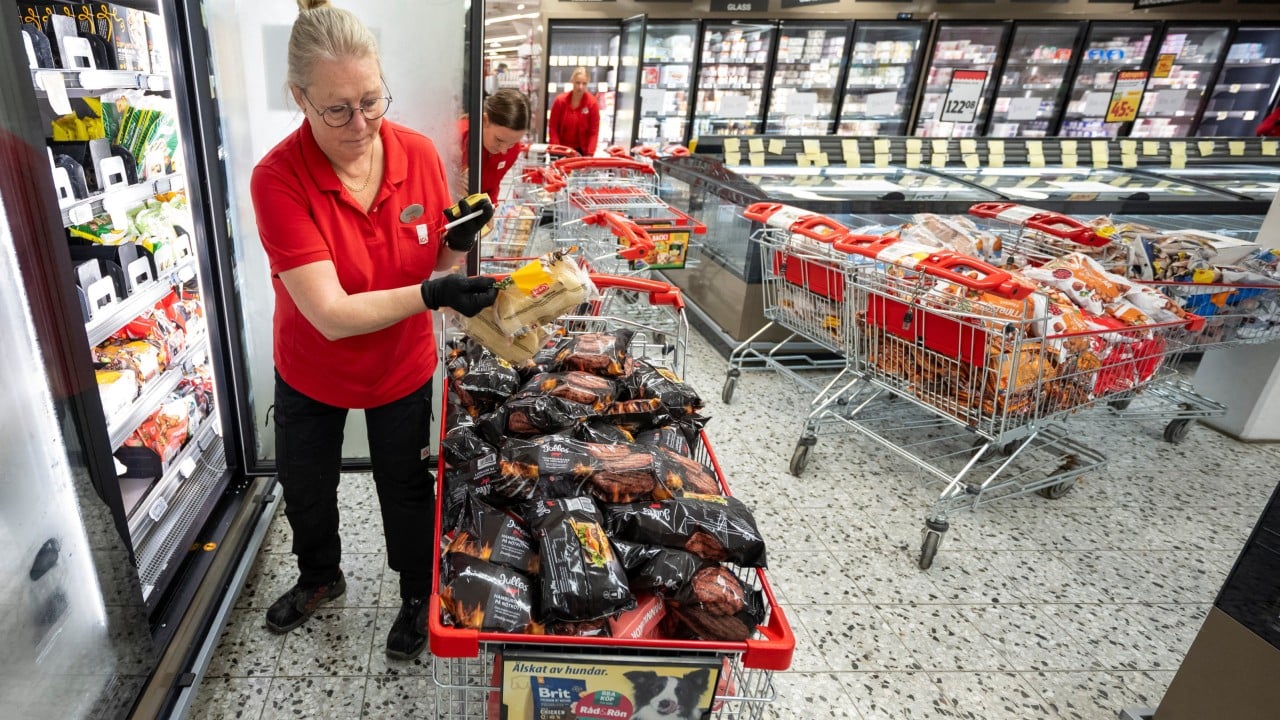
For months, nobody took the threat of connected kitchen hardware seriously. Then, automated refrigeration units across more than a dozen European countries began malfunctioning simultaneously, their internal thermostats deliberately cranked up to a blistering 50 degrees Celsius. Tons of food spoiled, grocery chains suffered millions in losses, and investigators realized that malicious actors didn't even need complicated malware to do it. They simply exploited poorly secured remote controllers, acting like someone walking up and flipping a switch in broad daylight.
Now, top European cybersecurity officials are sounding the alarm that commercial refrigerators are only the opening salvo.
Juhan Lepassaar, executive director of the European Union’s cybersecurity agency ENISA, warned that everyday smart home appliances could represent the next major frontier for bad actors. When basic commercial hardware can be hijacked to disrupt food supply chains, your connected dishwasher, smart oven, or automated thermostat starts looking a lot less like a convenience and a lot more like an open back door.
The Illusion of Connected Convenience
We love putting chips in everything. Manufacturers raced to add Wi-Fi capabilities to washing machines, coffee makers, and central heating systems so users could manage chores from a smartphone miles away. But convenience almost always trades away security.
Most consumer-grade Internet of Things devices are built with a single priority: getting to market fast and cheap. Security is treated as an afterthought, if it is considered at all. Default admin passwords remain unchanged, firmware updates stop arriving after eighteen months, and devices sit exposed on home networks with direct pathways to the internet.
When hackers targeted European supermarkets, they didn't need zero-day exploits or complex phishing campaigns. They targeted exposed remote management interfaces that were never meant to be publicly reachable.
If a commercial refrigeration controller can be manipulated this easily, residential heating systems and smart home appliances are operating on the exact same vulnerable design principles.
Why State Actors Care About Your Kitchen
Cybersecurity agencies have pointed fingers at state-backed actors, with French authorities directly implicating groups linked to foreign governments in the supermarket attacks. Why would a foreign power bother messing with grocery store chillers or household water heaters?
The objective isn't financial extortion through ransomware. It is psychological warfare and infrastructure destabilization.
Disrupting food supply chains, triggering localized utility failures, or causing widespread panic undermines confidence in public stability. When an adversary can silently interfere with physical infrastructure across multiple nations without firing a single shot, low-intensity cyber disruption becomes an attractive geopolitical tool.
Home appliances might seem insignificant on an individual level, but millions of connected devices acting as part of a residential botnet or synchronized failure grid create a massive vulnerability. If an attacker can manipulate thousands of high-draw appliances simultaneously, local power grids face sudden, destabilizing surges or blackouts.
The Regulatory Race and What Needs to Change
The European Union is preparing stricter cyber rules that will fully enter into force next year, alongside plans to significantly expand the resources and personnel of agencies like ENISA. Leadership admits these measures will never be entirely enough on their own.
Regulation takes years to draft and implement, while hardware vulnerabilities exist right now in millions of homes and businesses.
Manufacturers need to face mandatory accountability for product lifecycles. If a company sells internet-connected hardware, they should be legally required to provide security patches for the lifespan of that product. Consumers also need to shift how they view smart tech. Treating a smart fridge or connected washing machine like a secure computer rather than a traditional appliance is essential.
Isolate your smart devices on a separate guest network, disable remote management features you never use, and change default credentials immediately. Security can't stay an afterthought while everything around us plugs into the web.