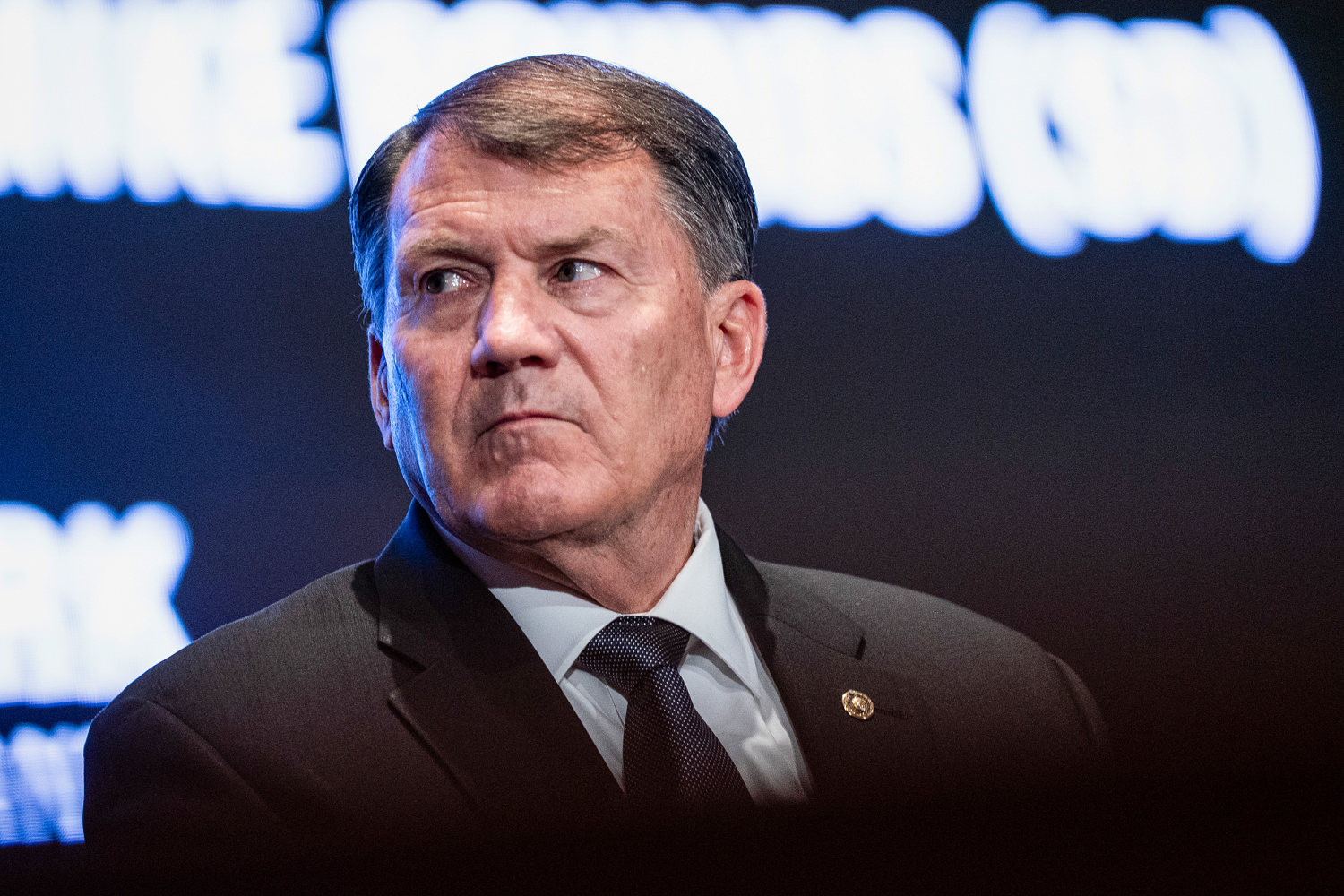
Elections in deep red states usually follow a predictable, boring script. The Republican incumbent wins comfortably, the Democrat struggles to raise funds, and nobody outside the state pays attention. But the 20th Senate race in South Dakota just threw out that playbook.
Julian Beaudion, who secured the Democratic nomination in June, abruptly ended his campaign. Instead of leaving a vacuum or forcing a scramble for a replacement, his exit clears a direct lane for an independent challenger to take on entrenched GOP Senator Mike Rounds. This move changes the entire arithmetic of a contest most political analysts had written off months ago. Also making headlines in related news: Why Trump Threatening To Rename Lake Ontario Is Actually All About Economic Warfare.
What Actually Happened on the Ground
Beaudion pointed to severe hurdles and intense pressure, citing intimidating threats aimed at forcing him out of the contest. Rather than soldiering on through a toxic environment, he stepped aside.
That left political watchers stunned. South Dakota isn't a place where Democrats traditionally pull strategic surprises. By stepping down after the primary phase, Beaudion leaves independent candidate Brian Bengs as the primary non-Republican alternative facing Rounds. More details on this are covered by Associated Press.
This isn't an isolated accident. We are seeing a pattern across heavily conservative states where traditional party labels carry heavy baggage. Running under a party banner that local voters have grown to distrust can anchor a campaign before it leaves the dock. Swapping that out for an independent label removes the immediate partisan target from the candidate's back.
Why the Independent Strategy Changes Everything
Let's be honest about rural red-state politics. If you have a "D" next to your name in South Dakota, a large chunk of the electorate will tune you out instantly, regardless of your background. Beaudion brought a real-world resume as a former state trooper, small business owner, and community advocate. Yet, party polarization often renders individual biographies invisible.
An independent bid operates differently. It allows candidates to speak directly to voters who feel abandoned by both national parties. They can critique federal spending, address rural economic pressures, and talk about local issues without defending every single platform plank issued by a national party committee hundreds of miles away.
We saw a similar strategic pivot happen in other states like Utah with Evan McMullin, and discussions pop up across the plains whenever a major party realizes a traditional campaign cannot clear the local hurdle. It's a pragmatic concession to political reality.
What This Means for Mike Rounds
Incumbent Senator Mike Rounds isn't suddenly vulnerable overnight. He secured a massive share of the vote in his primary and commands deep roots across the state. Rounds knows how to campaign in every corner of South Dakota, from Sioux Falls to the smallest ranching communities.
However, a consolidated anti-incumbent vote is always more dangerous than a fractured one. When Democrats and unaffiliated voters have multiple options, the opposition splits. By clearing the path, the non-Republican faction concentrates its energy behind a single alternative. Rounds now has to take a serious look at an opponent who can appeal across traditional party lines without triggering partisan defense mechanisms.
The Bigger Picture for Senate Control
Every single seat matters when the balance of power in Washington hangs by a thread. While national pundits focus obsessively on traditional battleground states, unexpected shifts in places like South Dakota alter how campaign cash and outside groups allocate resources.
If independent and third-way challenges gain traction in safe seats, it forces major parties to spend defensive dollars where they least expect to. Pay attention to how local volunteers rally behind the remaining independent challenger in the coming months.
Take a close look at local campaign finance reports and town hall attendance rather than national polling averages. Watch how the independent candidate frames economic issues without national party backing. That local momentum tells the real story of whether this strategy actually works.