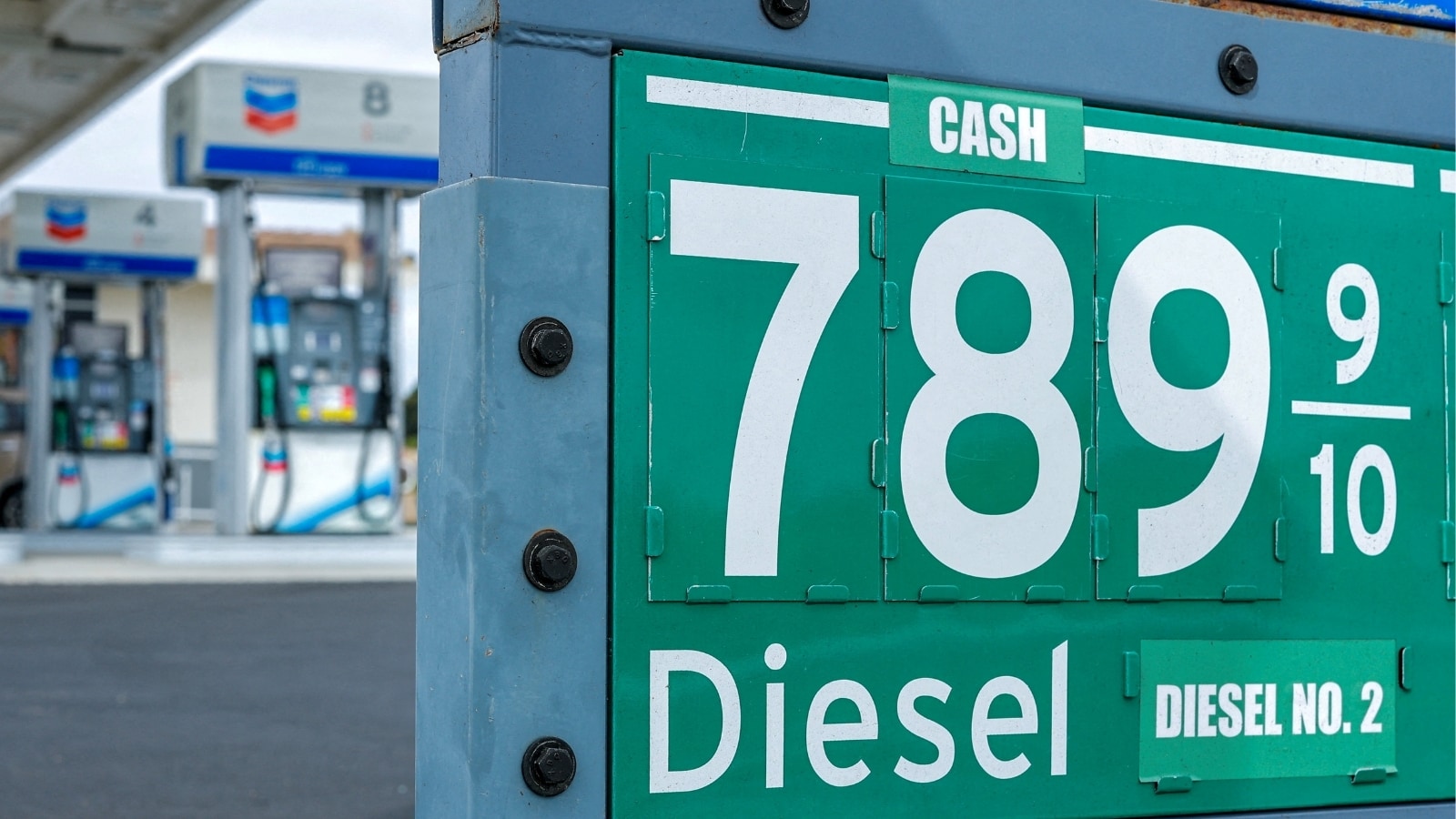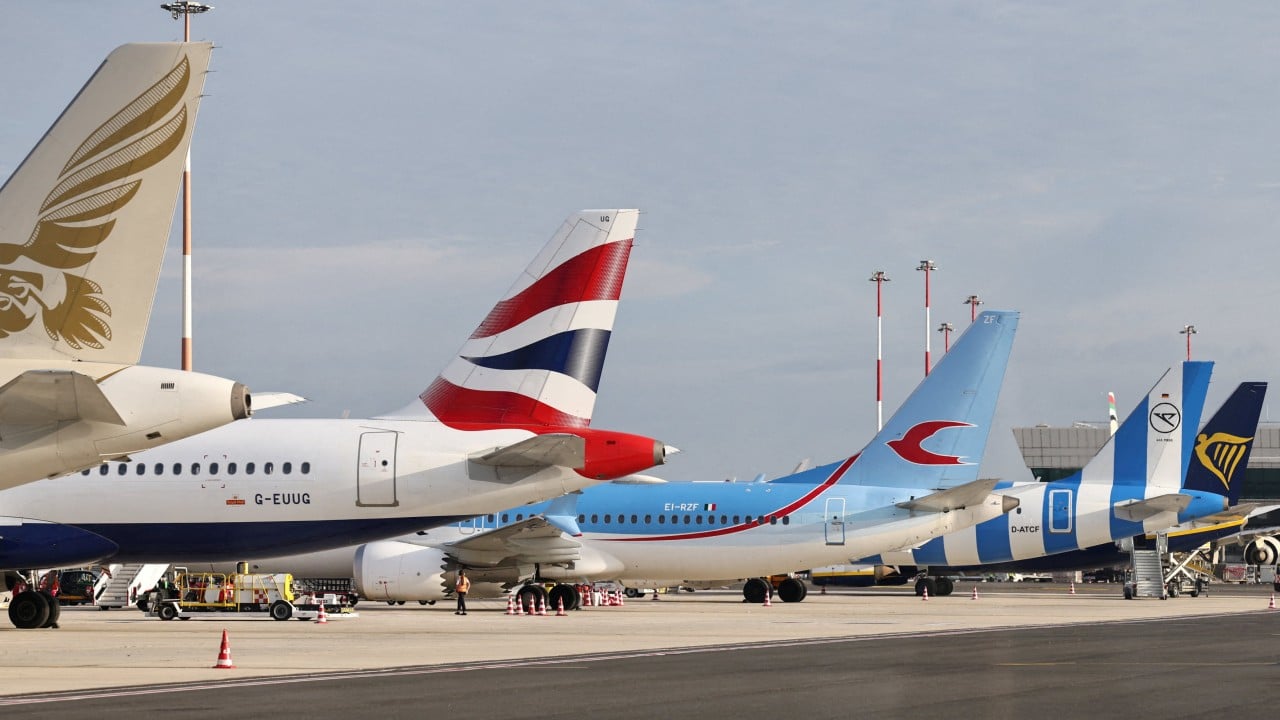
Europe has a massive jet fuel problem, and refineries thousands of miles away in Asia are stepping in to keep planes flying.
If you look at the numbers coming out of the Amsterdam-Rotterdam-Antwerp (ARA) storage hub, independent jet fuel inventories recently hit a seven-year low. Conflict in the Middle East has completely severed roughly half of Europe's traditional import channels, leaving a gaping hole in regional energy supplies. Consultants at Energy Aspects estimate that the European fourth-quarter deficit will sit at a staggering 510,000 barrels per day.
Enter South Korea. Asian refiners have historically operated as swing suppliers when price spreads made long-haul shipments viable. Right now, those economic signals are flashing red, and Seoul is answering the call.
The Numbers Behind the Surge
Korean shipments didn't just tick upward; they skyrocketed. In September, European jet fuel imports sourced directly from South Korea touched 129,000 barrels per day. That marks the highest volume recorded since October 2022, according to tracking data from Kpler and LSEG.
Domestic production inside South Korea aligned perfectly with this overseas demand shock. Government data shows that Korean jet fuel output hit a seven-year high of roughly 13.89 million barrels in July alone. Refiners cranked up crude processing to 2.7 million barrels per day—a sharp 16 percent jump over June rates. When European buyers faced pinched supplies and surging diesel benchmarks, Korean refiners had the capacity and the high utilization rates ready to deploy.
Why Local European Stocks Ran Dry
Most travelers assume local refineries can easily pivot to meet aviation demands during regional crises. They cannot.
Refining middle distillates is a delicate balance. When geopolitical flashpoints take out Middle Eastern processing units, European buyers are forced to scramble across the globe. Importers have turned to Nigeria, Canada, and the United States, but trans-Atlantic barrels haven't been enough to offset the total shortfall.
The Amsterdam-Rotterdam-Antwerp hub functions as the beating heart of northwest European fuel logistics. When stocks at ARA drop to a seven-year trough, the downstream effects hit commercial airlines immediately. Prices spike, margins compress, and traders look East. South Korea's massive export push has essentially acted as a physical safety valve for a continent running on empty.
What Happens Next for Global Fuel Markets
Energy markets hate prolonged deficits. While Asian-Pacific regions project a healthy fourth-quarter surplus of roughly 419,000 barrels per day, Europe remains stranded on the wrong side of the ledger with its 510,000 barrel-per-day hole.
Expect long-haul tanker routes from Ulsan and Daesan to European terminals to remain active through the end of the year. Traders note that as long as European diesel and jet fuel cracks hold a strong premium over Asian benchmarks, tankers will keep heading west.
Watch the freight rates and ARA inventory reports closely. If storage tanks fail to rebuild before the winter travel rush peaks, Europe will stay entirely dependent on Asian swing producers to keep its airspace open.