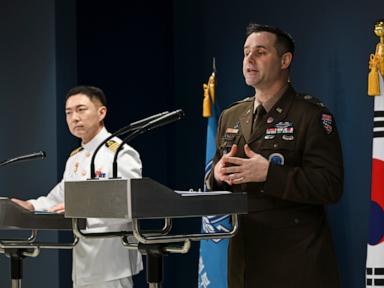
Joint military exercises between South Korea and the United States aren't just routine paperwork. They are massive, high-stakes deployments designed to test readiness against real-world threats from Pyongyang. When thousands of troops mobilize for drills like Ulchi Freedom Shield or Freedom Shield, they are reacting to an increasingly volatile security environment on the Korean Peninsula.
You need to look past the routine press releases to understand what is actually happening. These exercises combine computer-simulated command post training with live-fire field maneuvers. Officials from Seoul and Washington consistently state that these combined drills are defensive in nature. Critics in North Korea see them differently, using them as regular pretexts to fire off ballistic missiles and ramp up hostile rhetoric.
The Real Drivers Behind the Alliance Readiness
Why do these allies keep scheduling massive training blocks year after year? Simple. Threats evolve. North Korea hasn't stopped modernizing its nuclear program. Pyongyang continues to test banned weapons systems and has deepened military ties with Moscow by sending troops and artillery equipment to support Russia's war in Ukraine.
This shift changes the security calculus completely. Western intelligence agencies worry that Russia might share sensitive nuclear or missile technology with North Korea in return. That danger forces South Korean and U.S. planners to adapt. Exercises now incorporate lessons learned from recent modern conflicts, focusing heavily on all-domain operations, cyber defense, and cognitive warfare.
Scale and Scope of the Exercises
Numbers tell part of the story. Around 18,000 South Korean troops routinely participate in these joint summertime schedules alongside thousands of U.S. personnel stationed in the region or deployed from abroad.
- Computer-simulated command post training to test fast decision-making.
- Field-based training integrating live, virtual, and constructive elements.
- Interagency coordination involving government ministries alongside active-duty military units.
The alliance faces unique logistical and diplomatic pressures. Seoul often worries about shifting U.S. political landscapes or demands regarding defense-cost sharing. Despite political noise, the operational backbone between the two militaries remains active.
What Happens Next
Expect more missile tests from the North whenever major exercises kick off. Pyongyang has relied on this playbook for decades. The key takeaway isn't the political posturing or the angry statements coming across the border. It's the persistent technical upgrades that Seoul and Washington must implement to keep pace with modern warfare. If you want to follow regional stability in East Asia, watch how quickly both militaries adapt their training simulations to counter real-time technological threats.
/media/movies/covers/2026/05/cats_aN0SAZJ.png)