Pretending that North Korea will casually surrender its entire nuclear arsenal overnight is a diplomatic fantasy. South Korean President Lee Jae Myung understands this basic reality. That is why Seoul is pushing a hardheaded, phased approach to denuclearization that starts with a simple stop and moves toward reduction and dismantlement.
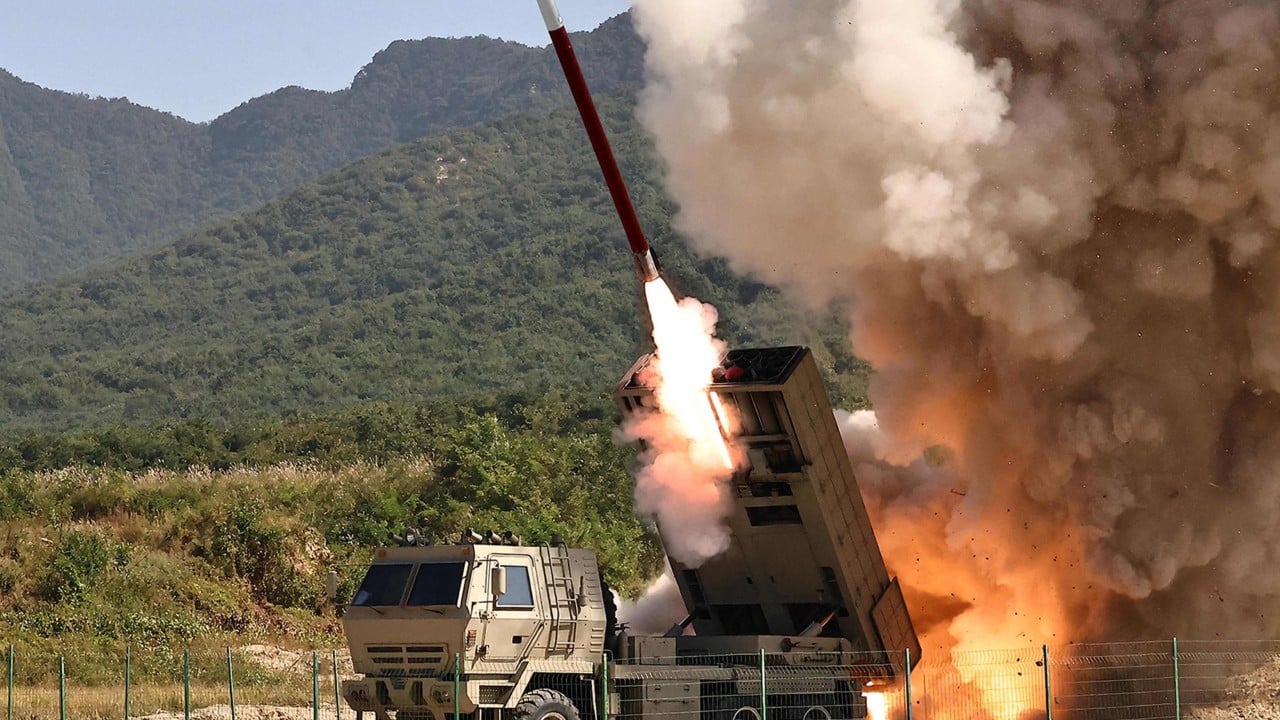
If you look closely at how the security situation on the Korean Peninsula has mutated over the last decade, waiting for total, immediate disarmament is no longer a viable strategy. Pyongyang has spent years expanding its missile programs and growing its warhead stockpile, which experts estimate ranges well past 100 weapons. Expecting Kim Jong Un to give up all of that in a single stroke ignores every lesson of modern geopolitics.
The Mechanics of a Pragmatic Proposal
The core idea driving Seoul right now is straightforward. To change the trajectory of a speeding vehicle, you have to hit the brakes first. Lee outlined this exact logic heading into the United Nations General Assembly.
Instead of demanding total nuclear surrender as a precondition for any discussion, South Korea's three-step plan proposes:
- Freezing active nuclear and missile development to halt further threats.
- Scaling down existing stockpiles through verified measures.
- Pursuing complete dismantlement as long-term trust takes root.
Stopping the clock on future weapon advancements creates a baseline for stability. Without that initial freeze, North Korea's technical capabilities will only accelerate, making the regional security climate exponentially worse by the month.
Will Pyongyang Actually Bite?
That is the million-dollar question, and honestly, the odds look tough. Pyongyang has spent decades insulating its regime and treating its nuclear status as non-negotiable.
Recent history points to deep skepticism. Even when Washington and Seoul scale back joint military exercises as a goodwill gesture—like the recent adjustments under President Donald Trump—North Korea frequently responds with fresh missile launches and harsh rhetoric. Pyongyang typically wants massive sanctions relief and structural concessions right out of the gate, while critics in Seoul and Washington worry about a dangerous trap.
The fear on the allied side is obvious. What happens if North Korea pockets sanctions relief during the initial freeze phase and then flat-out refuses to dismantle the actual bombs?
The Case for Leader Level Diplomacy
Seoul argues that overcoming this deadlock requires direct political willpower at the top. Technical working groups can grind away for years without a breakthrough, but building real momentum demands high-level face time and a clear signal that the United States and South Korea harbor no hostile intent.
Lee has also floated ideas like formal talks to end the 1950-53 Korean War to build diplomatic breathing room. Yet, bridging the gap between Seoul's step-by-step compromise and Pyongyang's insistence that its nuclear status is permanent will take an immense amount of diplomatic pressure.
Don't expect an instant breakthrough. The reality on the ground remains volatile, and until Pyongyang decides that economic prosperity outweighs military isolation, this pragmatic strategy faces an uphill climb. Take a close look at how regional security talks evolve over the coming months to see if any real momentum materializes.