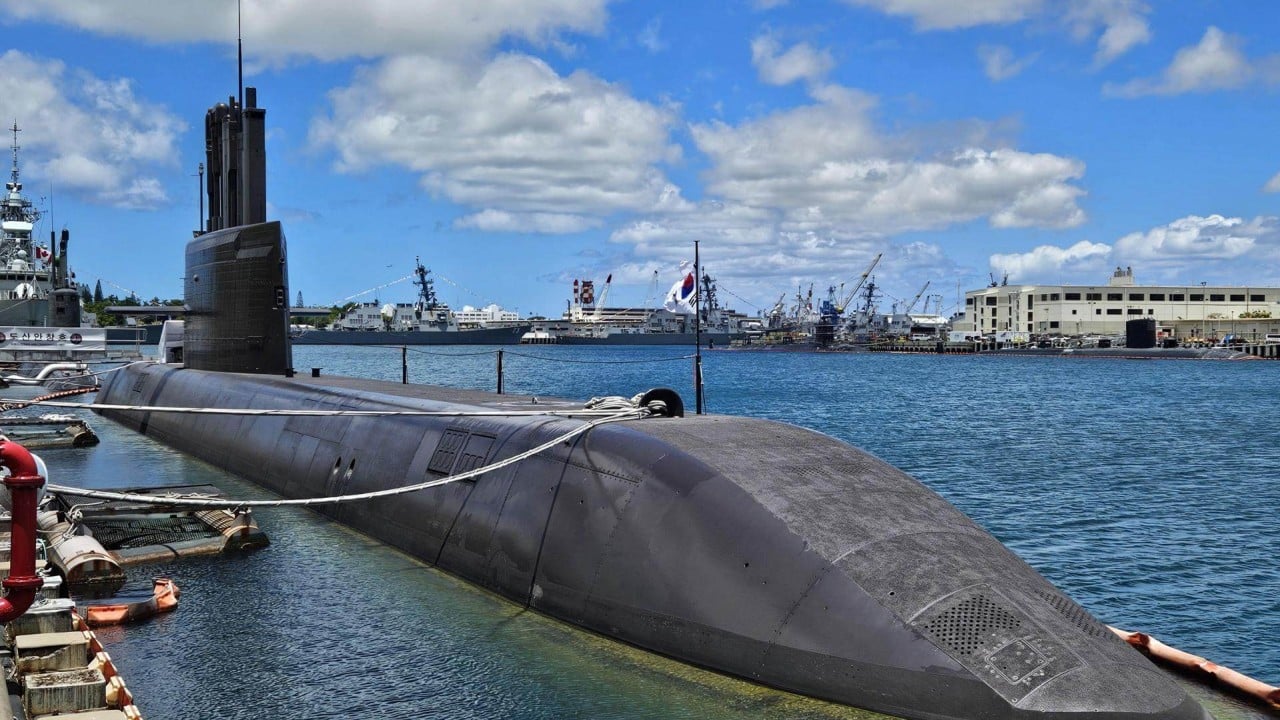
Seoul thought it had secured the ultimate strategic prize. When South Korea and the White House signed a high-profile joint fact sheet, the path toward building indigenous nuclear-powered submarines looked clear. President Donald Trump's political backing gave the green light to a decades-long defense dream.
Then the United States midterm elections happened.
With Democrats capturing control of both chambers of Congress, the political reality in Washington shifted overnight. South Korea's nuclear submarine program isn't dead, but it faces a grueling legislative gauntlet that could delay construction for years.
The Nonproliferation Hurdle
Let's be honest about how Washington works. A presidential handshake doesn't override federal law or international treaties.
The core issue comes down to nuclear nonproliferation. Democratic lawmakers have historically maintained strict adherence to the Atomic Energy Act. When a foreign partner seeks naval nuclear propulsion, it requires sensitive technology transfers—including uranium enrichment and spent-fuel management.
According to reports from the Congressional Research Service, any substantive transfer of naval nuclear propulsion technology or enriched material requires a brand-new bilateral nuclear cooperation agreement. That agreement must pass through rigorous congressional review.
House and Senate Democrats aren't likely to rubber-stamp a deal that pushes the boundaries of global nonproliferation norms. In January, key Democratic senators already pressed the executive branch for strict safeguards regarding any nuclear technology transfers. Now that they control the committee gavels, they possess the subpoena power, the hearing schedules, and the procedural tools to slow things down to a crawl.
Two Washington Power Centers
Seoul now faces a fragmented American political landscape. On one side stands a Trump administration eager to leverage trade and defense manufacturing investments. On the other sits a newly empowered Democratic legislative majority ready to scrutinize every detail of executive branch overreach.
Former diplomats and policy analysts point out the glaring gap between executive promises and legislative execution. Senior researchers at prominent think tanks in Seoul note that while South Korea offered massive trade and investment commitments, the return on investment hinged directly on securing advanced nuclear technology.
If Congress decides to drag its feet or pass joint resolutions of disapproval under the Atomic Energy Act, Seoul's shortcut to building a nuclear-powered fleet vanishes.
What Happens Next for Seoul
South Korea's Ministry of Foreign Affairs is already scrambling to adjust reporting schedules and figure out a two-track lobbying strategy. Defense officials have a dedicated nuclear submarine team ready to go, and domestic public opinion strongly favors building the deterrent to counter regional threats.
However, wishing for a strategic asset doesn't make it appear. Lawmakers in Seoul are divided on how to manage Washington's divided government. Some urge a unified, high-level diplomatic response, while others warn that dealing with a hostile congressional committee structure requires deep, patient bipartisan engagement rather than relying solely on executive goodwill.
The path forward requires navigating intense legislative oversight, addressing nonproliferation anxieties head-on, and preparing for lengthy delays. If you think defense acquisitions are straightforward, this situation proves otherwise.
Is South Korea's Nuclear Submarine Project in Trouble?
This video provides an in-depth breakdown of the political debate surrounding South Korea's nuclear submarine ambitions and the impact of the U.S. congressional shift.