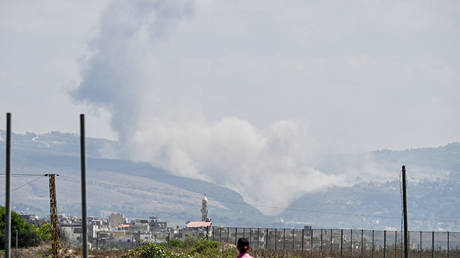
Southern Lebanon is burning again. Air strikes rattle Nabatieh Province. Artillery shells pound the dirt roads. Entire homes in Beit Yahoun are set ablaze, turning decades of local history into ash. Ground operations and demolitions continue unabated, even as diplomats pack their bags for yet another round of stalled talks in Rome.
Israel keeps striking southern Lebanon, and the geopolitical math on the ground isn't changing. Tehran vows to stand by Beirut. But words from foreign capitals don't rebuild shattered neighborhoods or bring back the people buried under the rubble. Don't forget to check out our earlier post on this related article.
The Reality on the Ground in Nabatieh
Forget the sanitized language of military briefings. The ongoing campaign in southern Lebanon is personal, violent, and devastating for civilians who have nowhere left to run.
Take what happened in Arab Salim. A 28-year-old woman named Saja Sharara was killed in an Israeli strike just forty-eight hours after her wedding. Six others were wounded in the exact same blast, including a child and two elderly residents. The Israeli military defends these actions by pointing to security protocols, claiming the strikes follow rocket or drone launches from Hezbollah units. To read more about the context of this, NPR provides an excellent breakdown.
Yet, the people caught in the crossfire are ordinary civilians.
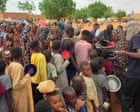
Local reports from Nabatieh Province paint a grim picture. Drones hover constantly overhead. Explosions rock towns like Aita al-Jabal. Over 600 square kilometers of Lebanese territory remain under Israeli occupation, and displaced residents have completely exhausted their savings. They have no jobs, no roofs over their heads, and precious little hope left.
Tehran Steps Up Its Diplomatic Defense
Amid the smoke and destruction, Iran is trying to shape the narrative and position itself as Beirut's primary protector. Iranian Foreign Minister Abbas Araghchi recently met with Sheikh Ali al-Khatib, the vice president of Lebanon's Higher Shiite Islamic Council, in Tehran.
The message coming out of those meetings is clear. Iran insists it cannot forget Lebanon. Tehran is pushing to revive the memorandum of understanding signed earlier in the year, which initially called for a total halt to Israeli military operations in Lebanon.
Araghchi admits the diplomatic climate is brutal. Implementing that agreement has proven nearly impossible as fighting flares up across the border. Hezbollah maintains it has largely observed the ceasefire terms brokered under past diplomatic frameworks, but Israeli forces continue their systematic destruction and territorial occupation in the south.
Why Current Peace Efforts Are Failing
Everyone is talking about Rome. Direct negotiations between Beirut and Israel are slated for upcoming diplomatic summits in Italy, but nobody expects miracles.
Why? Because the core incentives of the warring parties remain completely misaligned.
- Security Demands: Israel insists on creating a buffer zone free of militant infrastructure, maintaining an active military footprint across hundreds of square kilometers.
- Sovereignty and Survival: Beirut faces a humanitarian collapse, with displaced populations demanding an immediate return home and a total withdrawal of occupying troops.
- Regional Proxies: Iran views its alliance with Lebanese resistance factions as non-negotiable leverage, ensuring Tehran remains a central player in any future settlement.
Until these fundamental contradictions are resolved, diplomatic communiques are nothing more than paper shields.
What Comes Next for the Region
The situation in Lebanon is a masterclass in how fragile ceasefires fail when underlying political solutions are missing. Displaced families are running out of money, winter is looming, and diplomatic fatigue is setting in globally.
If you're watching this conflict, stop looking at the grand geopolitical statements. Look at the villages in Nabatieh. Look at the families sleeping in makeshift shelters. That is where the real story unfolds, and until a binding withdrawal agreement actually sticks, southern Lebanon will remain ground zero for a war without an exit strategy.