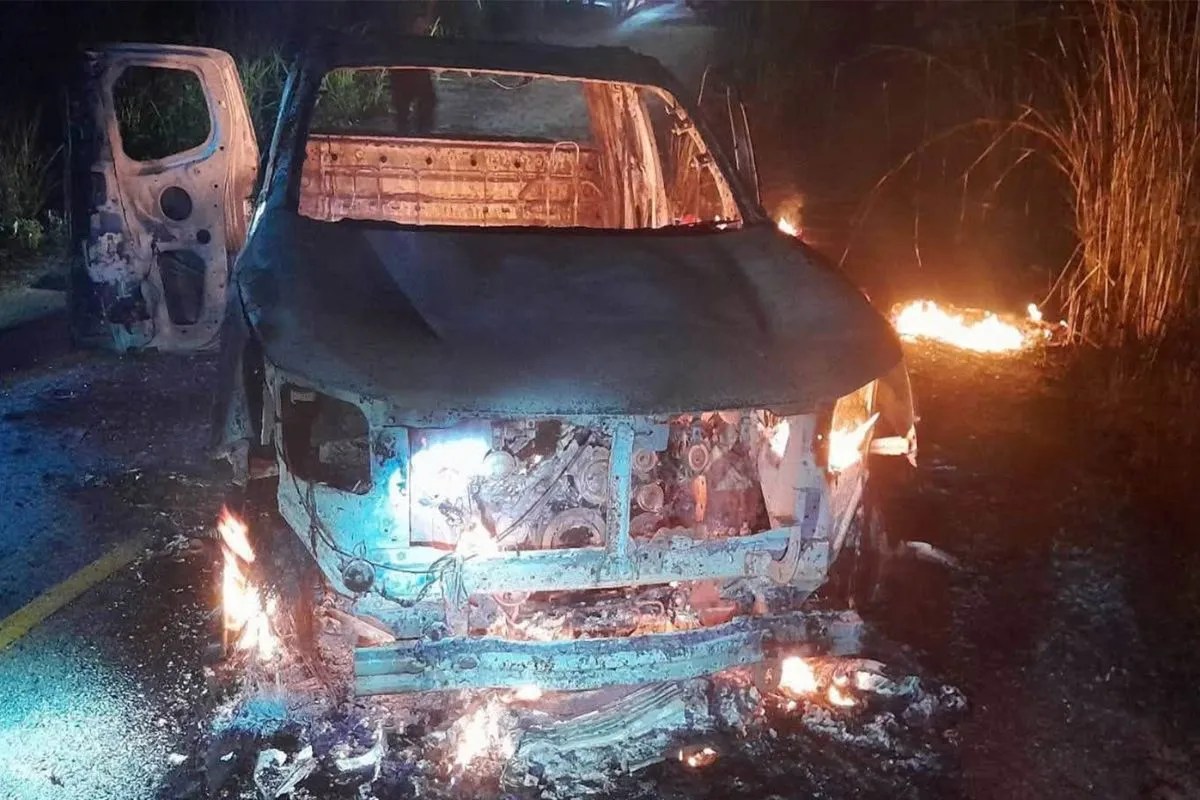
A deadly ambush at the Buketa Sami security checkpoint in Narathiwat province killed five paramilitary rangers and wounded six civilians, including young children. It wasn't an isolated incident. It's the latest flashpoint in a long-running, overlooked conflict in Thailand's southernmost region.
If you've been following international headlines, you might think Thailand is completely peaceful outside its bustling cities and tourist islands. That's a mistake. The deep south—specifically Narathiwat, Yala, Pattani, and parts of Songkhla—has faced persistent separatist violence for over two decades.
On the evening of July 22, 2026, about ten assailants dressed in black arrived at the Ra-ngae district checkpoint in a pickup truck and on motorcycles. Armed with military-grade rifles and pipe bombs, they launched a sudden strike against members of Task Force Ranger Regiment 45. Five rangers died at the scene. The attackers stole three AK-47 rifles, three bulletproof vests, and several mobile phones before fleeing. They later burned their pickup truck roughly 21 kilometers away to cover their tracks.
The violence didn't just affect security personnel. Crossfire and bomb shrapnel injured six civilians nearby. Among them were a 3-year-old girl and a 10-year-old boy. Neighboring homes suffered heavy damage, with roofs torn open and metal gates riddled with bullet holes.
+-----------------------------------------------------------------------+
|                      NARATHIWAT ATTACK AT A GLANCE                    |
+-----------------------------------------------------------------------+
| Incident Date        | July 22, 2026 (~6:45 PM local time)            |
| Location             | Buketa Sami Checkpoint, Ra-ngae, Narathiwat    |
| Fatalities           | 5 Paramilitary Rangers (Task Force 45)         |
| Civilian Injuries    | 6 Civilians (including children aged 3 & 10)  |
| Weapons Used         | Automatic rifles and pipe bombs                |
| Equipment Stolen     | 3 AK-47 rifles, 3 body armor vests, phones     |
+-----------------------------------------------------------------------+
What Caused the Deep South Conflict
To understand why this checkpoint was targeted, you have to look at the history of the region. Most of Thailand is predominantly Buddhist and ethnically Thai. The southern border provinces are different. The majority of residents here are ethnically Malay and practice Islam.
This border zone was once part of the independent Patani Sultanate. In 1909, an Anglo-Siamese treaty annexed the territory into Siam (now Thailand) without consulting local populations. Decades of forced cultural assimilation policies followed. Local communities felt marginalized, disenfranchised, and treated as second-class citizens.
The current phase of armed conflict erupted in early 2004 when insurgents raided a military depot in Narathiwat, seizing hundreds of weapons. Since then, conflict monitor Deep South Watch estimates that over 7,800 people have lost their lives in bombings, drive-by shootings, and targeted assassinations.
The violence isn't random chaos. Insurgent groups like the Barisan Revolusi Nasional (BRN) use hit-and-run tactics against symbols of state authority. Checkpoints, police stations, government offices, and military patrols bear the brunt of these strikes.
Why Checkpoints Are Constant Targets
Checkpoints in southern Thailand aren't just traffic stops. They represent central government authority in remote areas. For paramilitary rangers—who are local auxiliary forces deployed alongside the regular army—guarding these posts is dangerous work.
Attackers use specific tactics when targeting these locations:
- Speed and mobility: Arriving on light motorcycles or light trucks allows quick deployment and fast escape.
- Overwhelming firepower: Combining automatic weapons fire with improvised pipe bombs suppresses guard reactions.
- Material loot: Stealing military gear, firearms, and body armor supplies their guerrilla operations.
- Covering footprints: Torching escape vehicles removes DNA evidence and fingerprints.
Just a day before this checkpoint assault, a car bomb exploded outside a former police station elsewhere in Narathiwat, injuring an officer. That marked the first car bombing recorded in the southern border region for the year. The back-to-back attacks show a coordinated effort to destabilize local security measures.
The Human Impact and Stalled Peace Efforts
Prime Minister Anutin Charnvirakul condemned the checkpoint attack as an act of terrorism that threatens national security and impedes peace initiatives. Official peace talks brokered by Malaysia have been ongoing since 2013, but progress has been slow and inconsistent.
While Bangkok has attempted to revive talks with the BRN, formal dialogue struggles to yield lasting ceasefires on the ground. Human rights researchers note that while security forces remain the main targets, crossfire increasingly endangers local residents and children living near these posts.
When attacks like this happen, security forces increase patrols and establish temporary lockdowns. While necessary for immediate safety, heavy-handed crackdowns can deepen local resentment if civilians feel caught between military pressure and insurgent threats.
Steps to Take if You Travel to Southern Border Provinces
Travelers visiting or operating in Thailand's southern border region need clear, practical safety precautions:
- Monitor travel advisories: Foreign governments maintain active travel warnings for Pattani, Yala, Narathiwat, and Southern Songkhla. Check government travel portals before planning routes.
- Avoid static security posts at night: Checkpoints and government installations face higher risk during evening and early morning hours.
- Comply immediately at stops: Maintain full cooperation, keep hands visible, and follow instructions from security personnel at all road stops.
- Stay clear of political or military sites: Avoid gathering near police stations, district offices, or military encampments in rural districts.
- Have contingency communications: Rural border areas can experience cellular dead zones or emergency network cutoffs during security operations. Keep offline maps and localized contact details ready.
Understand that Thailand's southern insurgency remains a localized conflict contained within specific border provinces. Major tourist hubs like Bangkok, Phuket, Chiang Mai, and Koh Samui operate normally and remain far removed from these border dynamics. Staying informed and exercising standard caution in boundary regions is the best approach for anyone in the area.
You can watch detailed coverage of the event in this Thailand Checkpoint Attack Video Report.
This video provides important broadcast coverage and visual context regarding the checkpoint ambush and the ongoing security operations in Narathiwat province.