Flags flew at half mast across Spain as the country entered three days of official mourning following a high-speed train collision that claimed at least 68 lives. Emergency crews spent the night working through tangled metal and crushed carriages near Toledo, searching through the wreckage for missing passengers. Prime Minister Pedro Sánchez promised a swift and transparent investigation, but for millions of citizens who rely on the nation's premier rail grid, trust has already been broken.
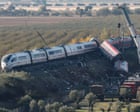
The tragedy unfolded when an AVE high-speed service from Madrid to Seville slammed into the rear of a stationary Iryo train near Los Yébenes. The impact was catastrophic. Two carriages plunged down an embankment, while metal rails pierced through passenger compartments. With more than 100 people injured—dozens of them fighting for their lives in hospitals—families flooded local emergency centers and makeshift shelters looking for loved ones.
Why This Accident Happened
Initial findings point toward a dangerous mix of automated system failures and critical human oversight. Transport Minister Óscar Puente called the traffic decisions leading up to the crash "inexplicable", noting that the control center cleared the moving AVE train to proceed even though the Iryo service was sitting stationary on the tracks.
When automated signaling systems fail, rail networks rely on manual protocols. Those backup procedures demand absolute precision from human operators. Investigators are now scrutinizing audio recordings from the traffic control center and questioning personnel to determine how a massive communication breakdown allowed two high-speed locomotives to occupy the same stretch of track.
Cracking the Myth of Infallible Rail Networks
Spain has long boasted one of the most advanced high-speed railway systems in Europe. Millions of commuters, business travelers, and tourists zip between major cities daily, viewing trains as the safest and most reliable alternative to driving or flying.
This disaster shatters that illusion. Coming on the heels of another fatal rail incident earlier in the year, public confidence is plummeting. Citizens aren't just mourning the dead; they're demanding accountability. High-speed rail thrives on speed and efficiency, but safety margins leave zero room for error. When operators make fatal judgment calls or automated safety nets fail, the consequences are immediate and devastating.
The Road Ahead for Infrastructure Oversight
Political leaders face immense pressure to overhaul safety protocols. Opposition figures have already called for a comprehensive, independent audit of national rail infrastructure, arguing that rapid expansion should never outpace safety updates.
As cranes lift the wreckage and forensic teams complete their grim work, the Spanish government must answer tough questions. Rebuilding public trust requires more than three days of national mourning. It demands total transparency, technological upgrades, and rigid operational accountability to ensure this kind of catastrophic failure never happens again.