Political accountability usually moves at a glacial pace. Ministers cling to power, dodge blame, and wait for the news cycle to wash away the outrage. But sometimes a disaster is so absolute that it forces a reckoning.
That is what happened in Madrid. Óscar Puente stepped down as Spain's transport minister just six days after a catastrophic high-speed train collision near Urda left 69 people dead. It wasn't just a political casualty. It was an admission that a system built as a national point of pride had suffered an unthinkable failure.
The Collision That Shocked Europe
The numbers are grim. A rear-end collision between two high-speed trains south of Madrid claimed 69 lives, marking one of the worst railway disasters on the continent this century.
Spain operates the second-largest high-speed rail network on earth, trailing only China. For over thirty years, the system prided itself on an unblemished safety record for high-speed operations. That streak ended violently. Compounding the national trauma, this tragedy followed a separate derailment in Adamuz, Córdoba, just nine months prior that killed 46 people.
Two major rail disasters in less than a year shattered the illusion that infrastructure scale equals absolute safety.
The Breaking Point for Leadership
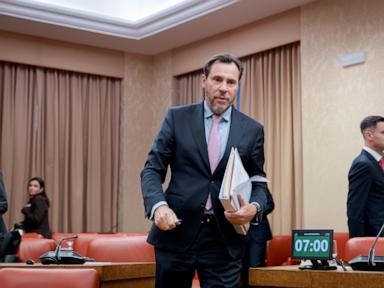
Puente initially resisted calls to step down, weathering intense pressure from political opposition and cracks within government alliances. Yet, facing a grueling parliamentary hearing, his defense collapsed.
He stood before lawmakers and drew a hard line. A transport minister cannot maintain authority when two disasters of such magnitude strike within months. He framed his departure as a matter of political dignity, consistency, and basic empathy for the victims.
Beyond resigning his ministerial post, Puente also pulled his name from candidate lists for the upcoming general election. It is a massive political blow to the Socialist-led administration, landing just weeks before voters head to the polls.
The Urgent Fixes on the Table
Resignations make headlines, but they don't fix broken rails or prevent mechanical failures. The fallout has forced immediate structural and technological changes to a rattled transit ecosystem.
The government approved a €30 million emergency assistance package to support victims and their families. More importantly, transport authorities are rolling out aggressive technological upgrades. Plans now include artificial intelligence systems designed to monitor driver-controller communications in real time, alongside mandatory dual-controller validation protocols whenever primary automated systems fail.
Investigators are still picking through the wreckage near Urda to determine the exact sequence of human and mechanical errors that led to the crash. Until those findings are fully transparent, public trust in one of Europe's premier rail grids remains derailed.
Rebuilding that trust will take far more than a changing of the guard at the ministry. It demands proof that high-speed travel will never again come at such a devastating human cost.