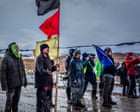
Ten years ago, the plains of North Dakota turned into a battleground. Thousands of water protectors pitched tents near the Standing Rock Sioux Reservation, determined to stop the Dakota Access pipeline from cutting beneath Lake Oahe. They chanted mní wičóni, meaning water is life. They faced tear gas, rubber bullets, guard dogs, and militarized police raids.
The pipeline was built anyway. Today, it pumps up to 750,000 barrels of oil daily from North Dakota down to Illinois. If you look only at the physical infrastructure, the movement failed. You might also find this similar coverage useful: Why School Shootings Are Spiking In Turkey And What Comes Next.
You’d be dead wrong.
Standing Rock changed environmental activism forever. It wasn't just a localized protest against Energy Transfer Partners. It was a massive awakening that brought Indigenous land defense into the global spotlight. A decade later, the leaders and activists who lived through those freezing winter months are back at the reservation, looking backward and forward. They are lighting sacred fires from preserved coals and building their own clean energy grids. As discussed in detailed reports by NBC News, the implications are worth noting.
The Cost of Resistance and the Weight of Trauma
History books love neat narratives where heroes win clean victories. Real life is messier. The standoffs at Oceti Sakowin camp left physical and psychological scars that didn't vanish when the police bulldozed the tents in early 2017.
People carry severe post-traumatic stress from the violence. Candi Brings Plenty, an Oglala Lakota Sioux nation member who was there, puts it bluntly. The experience brought the worst-of-the-worst PTSD, yet the community forged in those camps created lifelong bonds of wisdom and resilience. When asked if the sacrifice was worth it, the answer across the board is clear.
They’d do it again.
Manape LaMere, an original headsman from the 2016 council, spent time at the ten-year anniversary gathering performing spiritual healing ceremonies. Trauma lingers when an eviction happens at gunpoint. Helping people call their spirit back is part of the long, unglamorous work of survival that happens long after the news cameras pack up and leave.
Moving From Protest to Power
Protests raise awareness, but infrastructure builds autonomy. That realization defines the mood at Standing Rock a decade later. Instead of solely reacting to corporate pipelines, tribal leaders are shifting capital into self-reliance.
Take the Sage Development Authority, a federally chartered corporation launched by the Standing Rock Sioux nation. Joseph McNeil, CEO of SAGE, knows that fighting corporate giants is only half the battle. The other half is breaking the cycle of engineered poverty by building renewable energy systems from the ground up. SAGE secures grant funding to install wind farms on tribal district buildings. Local leaders decide how to use and reinvest that power. It’s practical, decentralized sovereignty in action.
Decades of intentional economic depression left reservations starved of resources. Energy independence changes the math. You stop asking permission. You build your own grid.
What Mainstream Environmentalism Misses
Mainstream climate movements often focus purely on carbon emissions while ignoring treaty rights and Indigenous sovereignty. Standing Rock forced a collision between climate justice and racial justice.
Actor Shailene Woodley, whose high-profile arrest at the camps a decade ago drew global eyes to the blockade, points out that true education requires confronting history honestly. You don't study colonization from a place of guilt or performative shame. You study it to avoid repeating the exact same destructive loops.
When modern corporations try to ram fossil fuel projects through sacred lands today, they face a different kind of resistance. They face a global network of activists who learned organizing tactics, media amplification, and legal strategies on the banks of the Cannon Ball River.
The Dakota Access pipeline is still running. But the consciousness born in the winter snow of 2017 cannot be unplugged. The fires are lit. The communities are organizing.
Stop waiting for corporations to do the right thing. Support Indigenous-led land defense, back renewable energy projects on tribal lands, and pay attention to the fights happening off your social media feed.