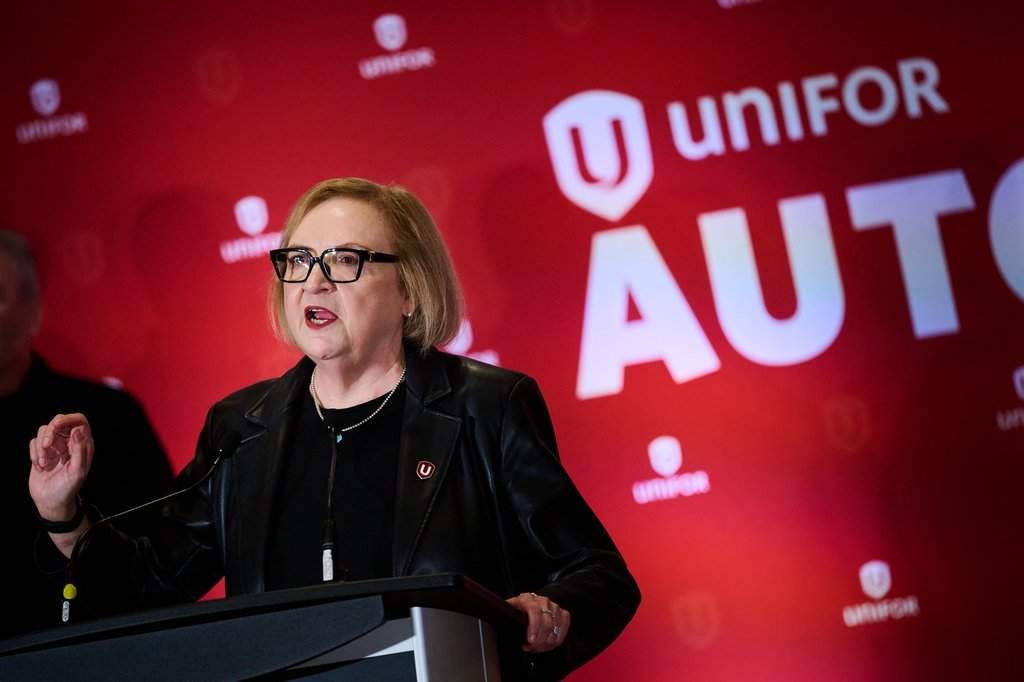
Thousands of Canadian autoworkers are fed up. When nearly every single person in a bargaining unit votes the same way, leadership stops guessing and starts planning. That is exactly what just happened on the factory floors.
Unifor members at Stellantis delivered a staggering 97.3 percent strike mandate over the weekend. With contract talks at a total standstill, workers are making it clear they won't roll over while their footprint in Canada shrinks. Over 9,000 workers are represented under this umbrella, and their message to the automaker is simple. Keep your promises, or face the consequences on the picket line.
Why Contract Talks Hit a Brick Wall
Negotiations between big labor unions and multinational automakers are never easy. But this time, the tension runs much deeper than wage increases or cost-of-living adjustments. Trust has fractured.
The immediate catalyst for this bitter standoff involves the Brampton assembly plant. Stellantis signed an agreement to sell the facility to Roshel, a defense contractor that builds armored vehicles. Thousands of employees were hit with temporary layoffs back when production stopped in 2023, waiting for a retooling that was supposed to secure their futures. Instead, they got a sale announcement and broken commitments.
When a major automaker takes substantial government subsidies tied to boosting domestic production and then pivots to selling off plants or shifting work south of the border, workers notice. Lana Payne, Unifor National President, didn't mince words about the situation. Members are united because they know what is at stake. They aren't just fighting for today's paycheck. They are fighting for the survival of Canada's auto manufacturing identity.
The Bigger Picture Facing Canadian Autoworkers
Canada's automotive sector sits at a precarious crossroads. Electric vehicle transitions, shifting trade dynamics, and corporate restructuring have put immense pressure on traditional plants. Executives in boardrooms look at spreadsheets, efficiency metrics, and cost margins. Workers look at their mortgages, their families, and their communities.
Stellantis has defended its real estate decisions by claiming that keeping the idle Brampton facility didn't make business sense anymore. They argue that offloading it to an armored vehicle maker brings economic activity back to the site. But for the thousands of laid-off union members who expected a retooled plant churning out modern vehicles, corporate justifications ring hollow.
You cannot take public money with promises of long-term employment and then pivot when market conditions fluctuate. That reality is driving the current fury. A 97.3 percent vote isn't a bargaining tactic meant to scare management over coffee. It is a loaded weapon.
What Happens Next on the Horizon
A strike mandate doesn't mean picket lines appear tomorrow morning. Unifor leadership has maintained that a strike remains a last resort. Both sides still have a window to hammer out an agreement before deadlines hit and work stops.
Yet, the leverage has completely shifted. Stellantis now knows that Canada's autoworkers are locked in step, angry, and prepared to walk off the job if a fair deal isn't reached. The ball is back in corporate court. They can either honor their commitments to the workforce that built their profits, or they can face a crippling labor shutdown across their Canadian operations.
Watch the bargaining table closely over the coming days. If management refuses to budge on job security, Canadian manufacturing is about to witness one of its most explosive showdowns in years.