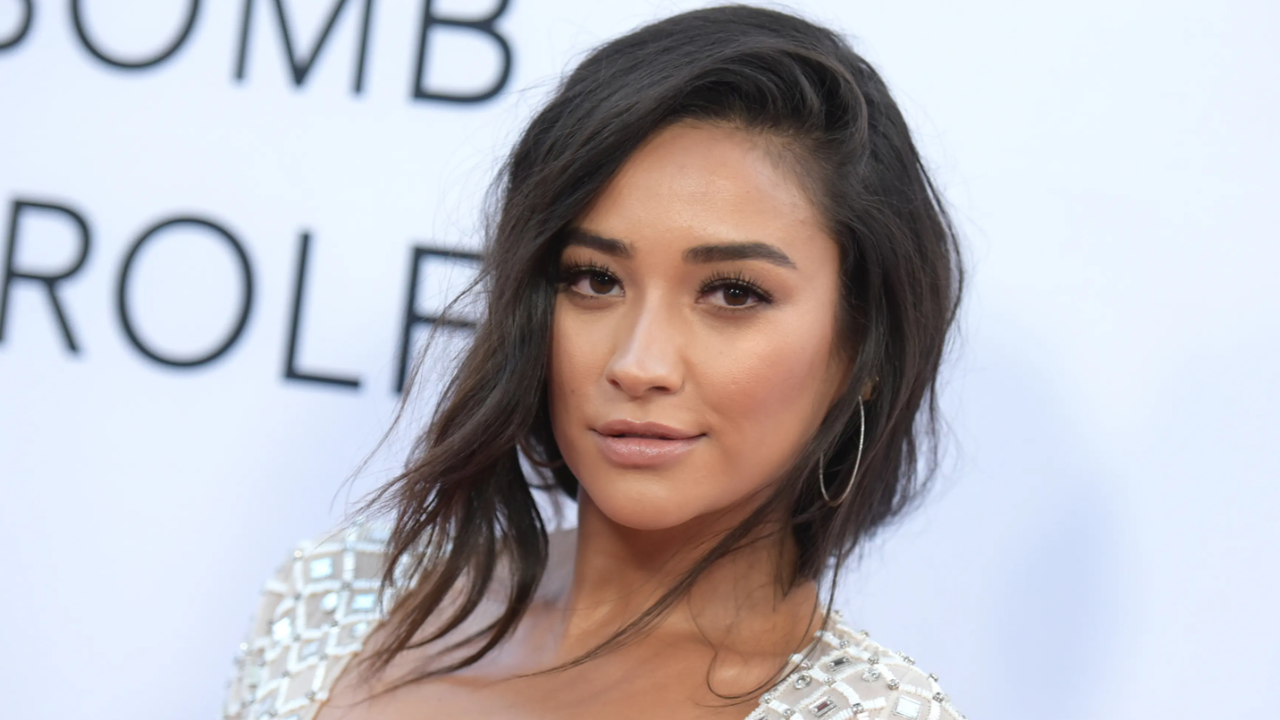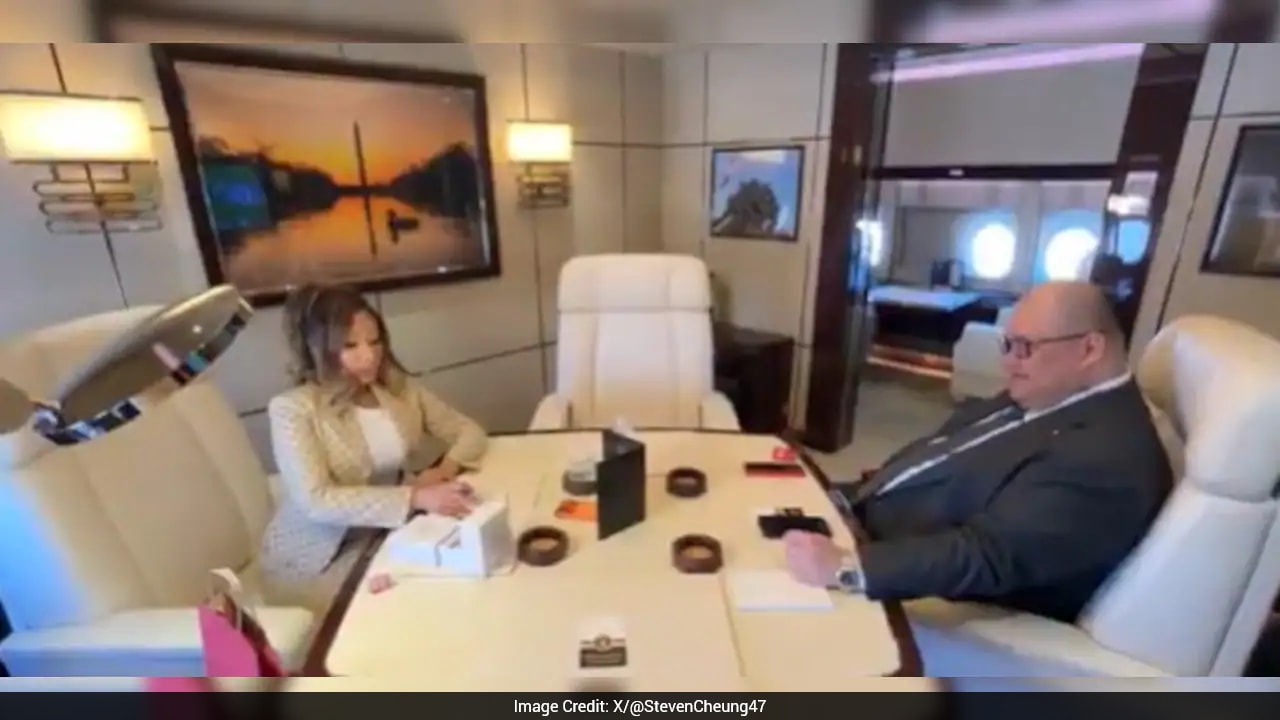
Politics has always made strange bedfellows, but mixing the upper echelons of White House communications with global rap royalty takes the cake. When White House Communications Director Steven Cheung hopped onto social media to post a video from Air Force One suggesting that Nicki Minaj take over the vacant press secretary podium, the internet lost its collective mind.
It started with a casual flight to a midterm campaign rally in Port Huron, Michigan, supporting Republican candidate Mike Rogers. Seated across from Cheung, Minaj praised Donald Trump's business acumen, his economic track record, and his foreign policy stance. She hailed him as a natural businessman who understands the heavy lifting of finance. Cheung leaned into the viral moment, posting clip footage with a caption declaring they might have found their next spokesperson.
Of course, it was a joke. But behind the internet buzz and the headline-grabbing rally comments—including Trump shouting out Minaj's presence—lies a fascinating look at how modern political communication operates.
The Shaking Up of the White House Podium
You can't talk about Cheung's quip without looking at the chaos that preceded it. The press briefing room has been a revolving door lately. Katie Zacharia's abrupt exit after a turbulent five-day tenure left a massive void in the communications lineup. When a administration loses its primary spokesperson that quickly, the news cycle gets messy fast.
Enter the distraction strategy, or perhaps just brilliant social media savvy. Instead of doubling down on defensive press statements, the team leaned hard into pop culture. Minaj stepped onto Air Force One as a self-proclaimed number-one fan, and the campaign seized the visual anchor.
People love to roll their eyes at celebrity endorsements, but political campaigns don't care about snobbery. They care about reach. When a mega-star with tens of millions of loyal followers talks up a presidential candidate's economic background from inside the most exclusive plane in the world, millions of eyes that normally tune out C-SPAN suddenly pay attention.
Why Celebrity Politics Wins Attention Grabs
We live in an era where traditional press briefings struggle to capture audience share. Traditional media outlets parse every sentence for gaffes, while viral moments on social media shape public perception instantly.
Minaj isn't the first artist to cross paths with high-level politics, and she certainly won't be the last. But her pivot into vocal political commentary highlights a broader shift. Voters are exhausted by sterile, scripted political talking points. Whether you agree with her perspective or find the whole spectacle bizarre, public figures speaking in plain, unfiltered terms cut through the noise.
When Minaj argued on that flight that someone who built business fortunes knows how to manage a country's books, she wasn't speaking like a policy wonk. She was talking like a consumer. That conversational framing resonates with voters who are tired of Washington jargon.
What Happens Next on the Campaign Trail
Steven Cheung won't actually be handing over the podium mic to a rap icon anytime soon. The job of a White House Press Secretary requires wading through tedious policy minutiae, fierce daily sparring with the White House Press Corps, and navigating grueling bureaucratic crossfire.
Yet, the stunt achieved its primary goal. It dominated headlines, shifted the narrative away from staff turnover, and put a massive pop culture spotlight right where the campaign wanted it.
The lines between entertainment, viral media, and national politics have completely dissolved. Don't expect them to go back up anytime soon.