Pop music is inherently weird, but the internet has made it functional madness. You’ve probably heard the mainstream stuff. Rumors about Avril Lavigne being replaced by a lookalike named Melissa or Taylor Swift secretly operating as a psychological operation asset for the pentagon make the rounds every few months. They get clicks. They keep people arguing on social media.
But if you look under the hood of pop culture, the world of music conspiracy theories gets significantly more bizarre.
People aren't just looking for clues on album covers anymore. They're rebuilding entire alternative histories. We live in an era where legendary rock stars allegedly morph into political talk show hosts, and corporate tech decisions are viewed as weaponized audio engineering. Human brains crave patterns. When life feels chaotic, inventing a secret world order hidden inside a classic rock track feels oddly comforting. It gives us a sense of control.
Let's look at the strangest music conspiracy theories that people still actively defend, why they believe them, and what they actually tell us about our culture.
The Secret Life of Rock Stars After Death
The classic rock exit strategy is supposed to be simple. You achieve stardom, you burn out, and you die young. But fans rarely accept a quiet ending.
Take Jim Morrison. Officially, the frontman of The Doors died of a heart attack in a Paris bathtub in 1971. There was no autopsy. The funeral featured a closed casket. For decades, standard rumors suggested he skipped town to live a quiet life in Africa or rural New York.
Then the internet took over. A highly detailed theory emerged claiming Morrison didn't just survive; he transformed into conservative radio host Rush Limbaugh.
Followers of this theory point to vague similarities in facial structure and a mole that sits in a somewhat similar position on their faces. They ignore the fact that Limbaugh was already working in radio under a different name while The Doors were actively touring. They ignore the massive ideological chasm between the counterculture icon and the conservative commentator. Why do people buy into it? Because it satisfies a deep desire for a twist ending. It turns a tragic, mundane death into a multi-decade performance art piece.
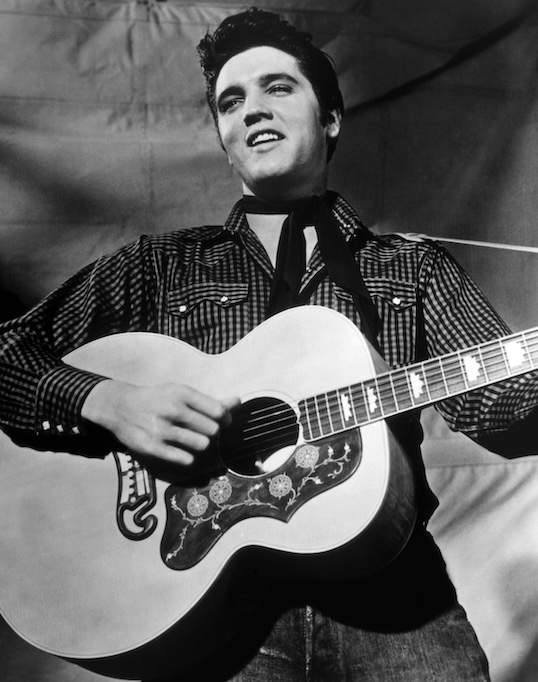
Elvis Presley has a similar modern update. The old rumors about Elvis eating burgers at a Michigan drive-through have evolved. Today, a corner of the web is convinced that Presley faked his death to escape the crushing pressure of fame and became an evangelical preacher named Pastor Bob Joyce.
People analyze YouTube videos of the pastor. They compare his vocal cadence, his vibrato, and his mannerisms to the late King of Rock and Roll. They even claim government agencies ran DNA tests to keep the secret hidden. It's completely baseless. Yet, thousands of people tune into these sermons not for the theology, but to look for signs of a ghost.
The Secret Identity of the Worlds Most Famous Street Artist
Not every theory involves a dead icon. Some focus on modern mysteries that seem just plausible enough to break into mainstream journalism.
For years, people have tried to unmask Banksy. The anonymous street artist has managed to keep his identity hidden despite selling art for millions of dollars. One of the most persistent theories links him directly to the music world. Specifically, to Robert 3D Del Naja of the British electronic group Massive Attack.
This isn't just random guessing. Journalists and fans have mapped out the appearance of new Banksy murals across the globe. They found a weird pattern. The art frequently appears in cities where Massive Attack is scheduled to play a concert within a few days. London, New York, Los Angeles, and even spots in Eastern Europe show a bizarre geographical overlap.
Del Naja was a graffiti artist in the Bristol scene during the 1980s, which is exactly where Banksy originated. He has admitted to being friends with Banksy, but he denies being the man behind the stencil.
The latest twist suggests Banksy might actually be Robert Gunningham, a close associate of Del Naja. Whether it’s a single musician or a collective of artists traveling together on tour, this theory persists because it connects two separate worlds of counterculture brilliance. It makes sense to our brains that brilliant art is interconnected.
Hidden Codes and Medieval Chants in Classic Rock
During the 1980s, the religious right convinced parents that rock bands were hiding backward messages in their records. This moral panic led to lawmakers holding hearings about backmasking.
Led Zeppelin was the prime target. Critics claimed that if you manually spun your vinyl copy of Stairway to Heaven backward, Robert Plant’s voice would morph into an praise of Satan. The band always denied doing this on purpose. Audio engineers have shown that the human brain naturally forces random phonetic sounds into recognizable words when you're told what to listen for. It's a psychological phenomenon called pareidolia.
But the obsession with Stairway to Heaven didn't stop with backward lyrics. Musicians and musicologists have noted a different kind of hidden structure in the track.
Right after Jimmy Page finishes his legendary guitar solo, the acoustic progression changes. It mirrors a centuries-old musical sequence known as the Dies Irae. This 13th-century Gregorian chant translates to Day of Wrath. For generations, composers used these specific notes in funeral masses to symbolize judgment day and death.
Did Jimmy Page intentionally insert a medieval death code into the biggest rock song of the 20th century? He was famously obsessed with the occult and bought Aleister Crowley’s former home, so fans assume the worst. Realistically, Page was a student of musical history who understood how to create a sense of dread using classical chord progressions. But the theory turns a great piece of arrangement into a supernatural puzzle.
The Corporate Tech Plot to Control Your Ears
Some theories move away from the supernatural and focus entirely on corporate greed. You probably remember when smartphone companies started removing the traditional headphone jack. Apple did it first with the iPhone 7, calling the move courageous.
Consumers were furious. They had to buy adapters or expensive wireless earbuds.
While the public complained about inconvenience, audiophiles spun a massive corporate conspiracy theory. They claimed the removal of the 3.5mm jack wasn't about making phones thinner or improving water resistance. It was a calculated move to monopolize the audio market.
By forcing everyone onto digital connections like Lightning or USB-C, tech giants could implement strict digital rights management directly into your headphones. Apple charges licensing fees to third-party manufacturers who want to make compatible hardware. If you control the port, you control the ecosystem.
This theory hits close to home because it’s rooted in actual corporate behavior. Companies want lock-in. While it might not involve secret societies or faked deaths, it shows how easily consumer frustration turns into a narrative about a global corporate plot against our ears.
How to Evaluate Music Rumors Without Losing Your Mind
If you want to look at these theories like a rational listener rather than a conspiracist, you need a quick mental checklist.
First, apply Occam’s razor. The simplest explanation is usually the right one. Is it more likely that Jim Morrison managed to completely alter his physical body, change his political beliefs, and land a national radio syndication deal without anyone noticing? Or did a troubled rock star die young in France?
Second, look at the money. Tech companies change hardware designs to boost profit margins and cut manufacturing costs, not to execute psychological warfare.
Third, understand human psychology. We love secrets. Finding a hidden connection makes us feel smart. It's fine to enjoy the folklore of rock history, but don't confuse a fun story with historical reality.
Keep listening to the music. Enjoy the weird history. Just keep your eyes open when you spin the record backward.