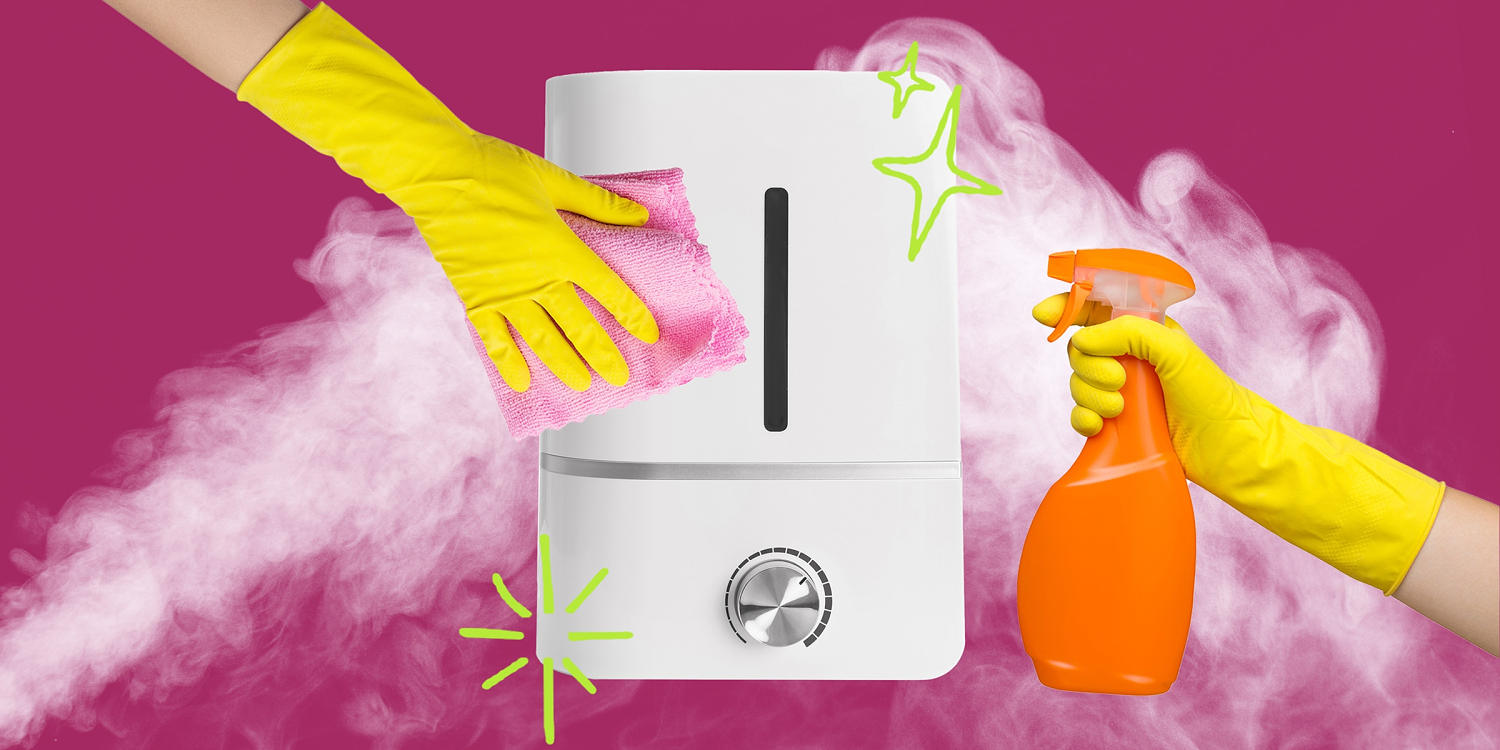
You bought a humidifier to breathe easier, but you might actually be pumping colonies of black mold and bacteria straight into your lungs. That musty smell when you flip the switch? That's not just stale water. That's microbial growth setting up shop in a warm, unventilated tank. If you haven't cleaned your unit in the last week, stop using it right now.
Most people treat humidifiers like set-it-and-forget-it appliances. They dump tap water in, let it run until it sputters dry, and repeat the cycle for months. That is a recipe for a respiratory disaster. According to data from the Environmental Protection Agency, poorly maintained indoor appliances can trigger severe allergic reactions, asthma attacks, and chronic sinus inflammation.
Why Your Humidifier Turns Into a Biofilm Factory
The physics of a humidifier make it an absolute breeding ground for pathogens. Stagnant water sitting at room temperature provides the perfect environment for bacteria and mold spores to multiply rapidly. Within forty-eight hours of adding tap water, a slimy coating known as biofilm forms along the inner walls of the reservoir.
Mineral scale makes things even worse. Tap water contains calcium and magnesium. When the water evaporates or heats up, those minerals leave behind a chalky crust. This crust creates microscopic nooks and crannies where bacteria love to hide, making ordinary rinsing completely useless. If you have an ultrasonic model, those mineral deposits can even get aerosolized and float around your room as fine white dust, coating your electronics and settling deep inside your airways.
The Right Way to Deep Clean Your Machine
Forget mild dish soap and a quick rinse under the tap. That won't touch the microscopic spores clinging to your tank. You need an aggressive routine that actually neutralizes biological contaminants.
First, unplug the unit and dump every drop of remaining water. Take apart every removable piece, including the tank, the base, and any filters.
Next, grab white vinegar. Pour equal parts white vinegar and warm water into the reservoir, making sure it reaches every corner where slime accumulates. Let it sit undisturbed for at least thirty minutes. The acid breaks down mineral scale and kills common household molds without introducing toxic chemical residues into your living space.
For stubborn buildup or units that haven't seen a sponge in months, food-grade hydrogen peroxide is your best friend. It offers the sanitizing punch of chlorine bleach without the choking chemical fumes that you definitely do not want your appliance spraying back into the air. Pour a splash into the tank, swirl it around, and let it sit for twenty minutes before scrubbing with a soft microfiber cloth or a nylon brush.
How Your Specific Humidifier Changes the Rules
Not all humidifiers are built the same, which means your cleaning method has to match your hardware.
Evaporative models rely on paper wick filters to pull moisture into the air fan-style. If that wick filter is stiff, discolored, or smells like a damp basement, don't try to salvage it. Throw it away and pop in a fresh replacement. Trying to clean a degraded wick filter is pointless.
Ultrasonic units use high-frequency vibrations instead of heat or evaporation filters. They are notoriously quiet, but their metal or ceramic nebulizer plates collect mineral crust faster than almost any other design. You have to descale these plates directly with a targeted descaling solution or pure vinegar using a cotton swab.
Steam vaporizers boil water before releasing the steam, which kills off most bacteria inside the tank. Even so, scale buildup will still accumulate around the heating element. Let the unit cool down completely before you touch it, then scrape away mineral deposits before they calcify permanently.
Daily Habits That Prevent Disgusting Buildup
Keeping a humidifier clean isn't an annual chore. It is a daily discipline.
Empty the water tank every single morning. Never let water sit idle in the reservoir when the unit is turned off. Wipe the inside dry with a clean paper towel and leave the tank cap off so air can circulate. If you use distilled water instead of hard tap water, you will drastically cut down on mineral scale and keep your machine running cleanly for years.
Clean every part thoroughly once a week if you run it constantly. If you only pull it out during winter or cold season, give it a rigorous sanitizing session before storing it away dry.
Empty the tank today, scrub the basin, and stop inhaling whatever is growing in that dark plastic tank.