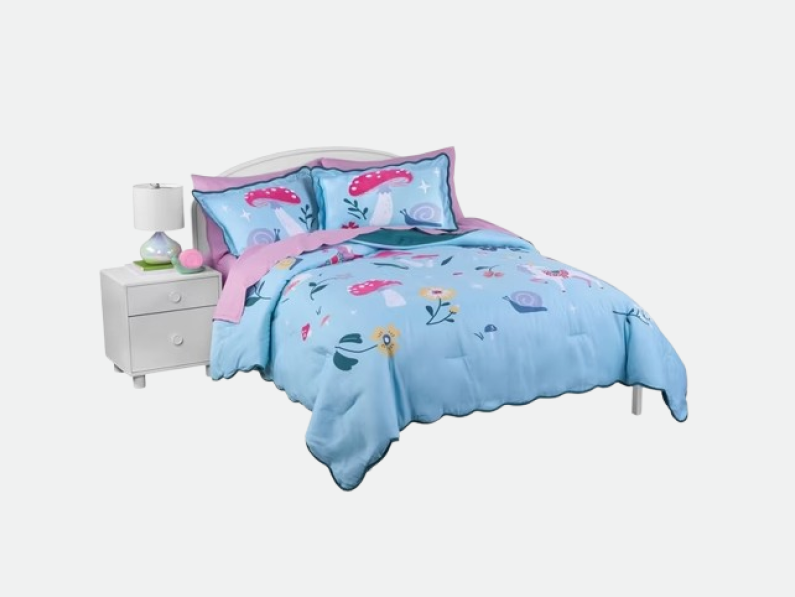
Designing a child’s bedroom without losing your mind or your entire paycheck is an art form. Most parents make the same expensive mistake. They buy themed furniture, custom painted murals, or specialty character beds that look incredible on a Tuesday and feel wildly embarrassing to an eight-year-old by Friday. Kids outgrow their obsessions faster than their shoes. One month it is dinosaurs, the next it is outer space, and suddenly you are staring down another thousand-dollar room overhaul.
Smart bedroom design is not about matching every single element to a fleeting hobby. It is about building a neutral foundation and layering the fun on top. If you want a space that stays functional for years while still letting your kid inject their personality into the walls, you need a strategy that separates permanent investments from disposable trends. Meanwhile, you can read related stories here: Why Nigerian Ceremonial Robes Like Aso Oke Still Command The Room.
Keep the Big Furniture Boring
Your biggest budget items should be completely boring. That sounds counterintuitive when you are shopping for a child, but it is the golden rule of longevity. A solid wood nightstand, a neutral dresser, or an upholstered platform bed in an ivory or soft grey tone will survive five distinct phases of your child's life.
When you buy a bed shaped like a race car or a princess carriage, you lock yourself into an aesthetic time capsule. When the child turns ten and begs for something older, that bed goes straight to the curb. Instead, invest in clean lines and neutral materials. A textured bouclé frame or a simple walnut nightstand works just as well for a kindergartener as it does for a high schooler. Let the furniture do the quiet heavy lifting so you do not have to buy a new bedroom set every time birthdays roll around. To see the complete picture, check out the recent article by ELLE.
Let Bedding Do the Heavy Lifting
Bedding is your secret weapon for safe experimentation. It covers a massive visual surface area, it is remarkably easy to swap, and it does not require a power tool or a gallon of paint to change.
If your kid is obsessed with gaming, glow-in-the-dark comforters let them lean hard into that interest without requiring a custom paint job. If they pivot toward whimsical nature prints or botanical patterns next season, you can completely alter the vibe of the room for the price of a standard sheet set. Reversible comforters give you even more breathing room when tastes shift overnight.
Treat the bed as the canvas. You can go as loud, colourful, or hyper-specific as your child wants right now, knowing full well that you can pack it away in a vacuum seal bag six months from now without a second thought.
Pile on the Personality With Swapable Accents
Kids crave control over their environment. They want their space to reflect who they are today. You can give them that autonomy safely by focusing on small accessories.
Throw pillows and plush blankets are affordable, mobile, and endlessly replaceable. A snail-shaped pillow, a game controller accent cushion, or a bright green plush throw lets them express their current fixation instantly. When they move on to the next obsession, these small items cost a fraction of what you would spend repainting or replacing casework.
Keep a basket in the closet for retired accessories. Kids actually enjoy cycling their old decor back into rotation or passing pieces down to younger siblings once the current craze cools down.
Layer Your Lighting Beyond the Ceiling Fixture
Overhead lighting is harsh, uninspired, and completely wrong for winding down at night. Relying on a single ceiling light fixture kills the cozy factor of any bedroom.
Give children multiple lighting zones so the room can adapt to their activities. A sturdy desk lamp handles homework and crafting. A soft bedside lamp creates the right atmosphere for reading stories. And a projection light that paints stars or abstract colors across the ceiling gives them that cool factor they want for hanging out with friends.
When a room serves as a homework station, a playground, and a sanctuary, the lighting needs to shift accordingly. Layering these sources creates an adaptable environment that feels custom-built for whatever mood hits next.
Ground the Chaos With a Neutral Rug
When bedding, pillows, and projection lights are all competing for attention, the floor needs to calm things down. A heavily patterned or brightly colored rug combined with chaotic accessories turns a bedroom into a sensory overload zone.
An oversized faux-fur white rug or a simple textured neutral runner grounds the space. It adds warmth and sound absorption without fighting the artwork or bedding. Because it lacks a specific theme, it rolls with the punches as your child trades their gamer phase for a minimalist aesthetic or an indie rock poster era.
Stop treating children's spaces as permanent monuments to their current age. Build a quiet, durable room around them, hand over the pillows and blankets, and let them change the details as fast as they change their minds.