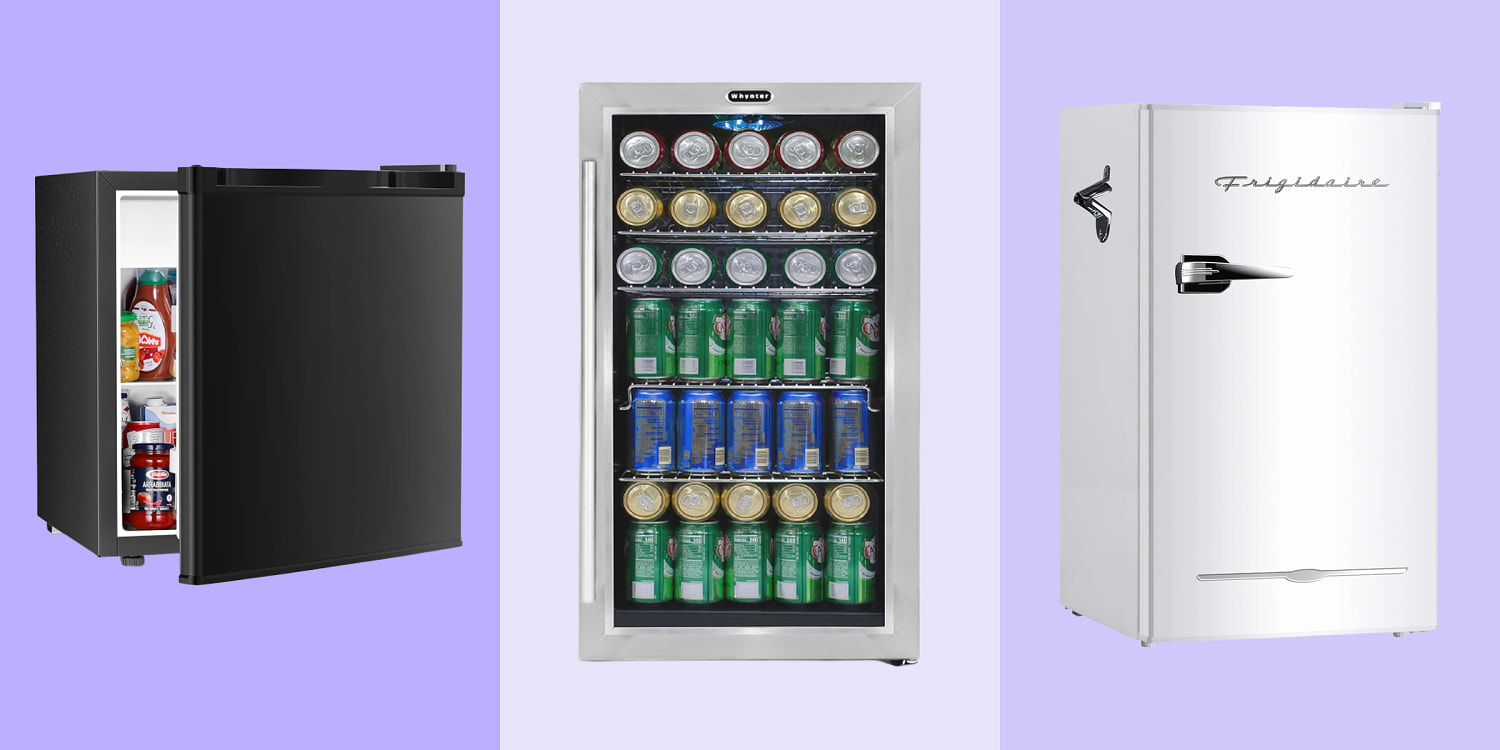
Most people treat mini fridges like a glorified cooler. They buy the first one that looks good on Amazon, shove it in a corner, and wonder why their expensive eye cream has turned into a watery mess or their soda is lukewarm. Buying a compact fridge isn’t just about finding a cute box; it’s about choosing the right cooling technology for what you’re actually putting inside.
If you don't pick the right tech, you’re basically setting your money on fire.
The Cooling Technology Divide
Before you look at colors or retro handles, you need to understand the two ways these things work. It’s the difference between a fridge that lasts a decade and one that quits in six months.
Thermoelectric units are the most common for small, "beauty-style" fridges. They use something called the Peltier effect. They’re basically solid-state, meaning no moving parts like big compressors. They’re nearly silent, which is perfect for a bedroom or a home office. However, they struggle if your room gets hot. If your apartment hits 80°F, that thermoelectric fridge is going to have a hard time keeping your drinks below 50°F.
Compressor-based models are the real deal. They use the same cycle as your kitchen fridge. They’re louder, usually heavier, and use more power, but they can actually hold steady temperatures regardless of how hot your room gets. If you’re storing perishables, dairy, or you just want a drink that is genuinely ice-cold, you need a compressor. Don't let anyone tell you otherwise.
Why Your Skincare Needs Its Own Space
I see people mixing toners and sodas in the same mini fridge all the time. Please, stop doing that. It’s a bad idea for a few reasons.
First, there’s the cross-contamination. If you have an open soda or a half-finished snack, that odor is going to migrate into your skincare products. Oils and creams are porous; they pick up smells easily. Second, moisture is the enemy. Beverage fridges often have forced-fan systems that dry out the air. That’s great for a can of cola, but it’s terrible for your sensitive toners and serums.
If you’re serious about skincare, look for a dedicated unit with passive cooling. These maintain a stable range—ideally between 40°F and 50°F—without the massive temperature swings that can degrade active ingredients like Vitamin C or retinol. A specialized unit often includes UV protection, which is non-negotiable if your fridge has a glass door. Light is the fastest way to ruin a high-quality serum.
What to Check Before You Buy
Don't just trust the "Best Seller" badge. I’ve tested enough of these to know that a high ranking on a marketplace often just means a big marketing budget, not a good appliance.
- Noise levels matter. Anything over 35 decibels in a bedroom will drive you crazy. Look for specific noise ratings. If it’s not listed, be suspicious.
- The door seal test. This is the simplest way to check build quality. Close the door on a piece of paper. If you can pull the paper out with almost no resistance, the seal is weak. A bad seal means the motor runs constantly, which kills the fridge and wastes your electricity.
- Ventilation space. Every mini fridge needs to breathe. If the manual says leave 3 inches of clearance, don't shove it flush against the wall. It will overheat and burn out the compressor within a year. It’s a common mistake that ruins perfectly good machines.
Fixing Common Glitches
Sometimes, these things stop cooling for simple reasons. Don't call a repair person immediately.
If your fridge is running but not cooling, check the back. Is it covered in dust or pet hair? That’s the condenser coil. If it’s choked with gunk, the heat has nowhere to go. Vacuum it out once every six months. It’s a five-minute job that can add years to the life of the appliance.
Also, listen for a clicking sound. If you hear a repetitive "click-click" from the back, it’s usually the start relay. It’s a small, cheap part that tells the compressor to kick on. They’re surprisingly easy to replace if you’re handy with a screwdriver and don’t mind watching a quick tutorial for your specific model.
Practical Next Steps
If you’re buying today, start by deciding your one primary goal.
If it’s a bedroom fridge for soda and snacks, prioritize a compressor model with a reliable door seal. Ensure it has at least one adjustable shelf so you aren't wasting vertical space.
If it’s for skincare, ignore the "cool aesthetics" and find a unit that emphasizes thermal stability. Look for a solid door or one with UV-tinted glass. Place it on a stable surface, away from direct sunlight, and leave it room to vent.
Treat these devices like appliances, not toys, and they’ll actually do their job. Keep it simple, focus on the specs that matter, and stop overthinking the branding. Your skincare and your drinks will thank you.