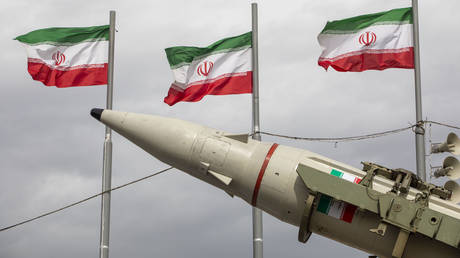
The ink on the interim peace deal between the United States and Iran is barely dry, and the world's most sensitive energy chokepoint is already exploding back into violence.
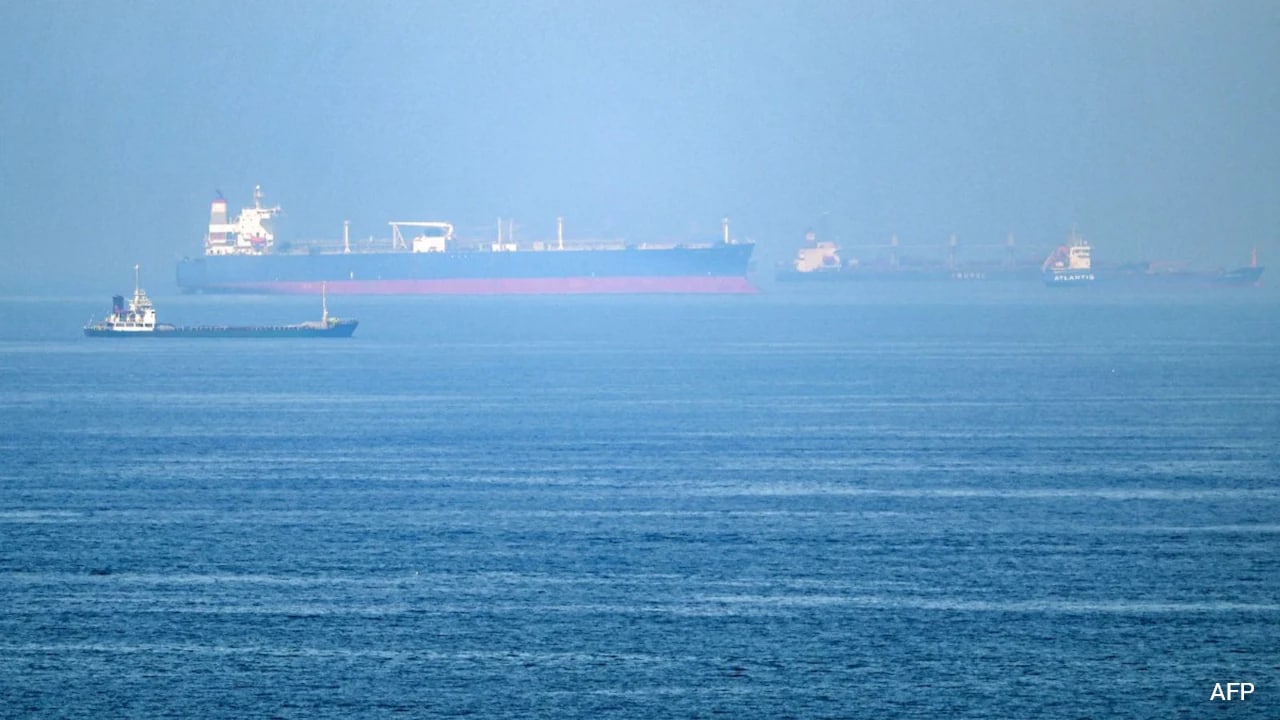
If you thought the memorandum of understanding signed less than two weeks ago to end the Middle East war meant safe passage for global shipping, think again. The maritime corridor has devolved into a chaotic shooting gallery. The fragile truce was shattered when a Singapore-flagged cargo ship, the M/V Ever Lovely, was struck by a one-way Iranian drone on June 25, 2026. Within hours, a second commercial vessel—an oil tanker—was struck by an unknown projectile, ripping open its bridge.
The US military didn't wait around. US Central Command launched heavy air strikes against Iranian drone storage facilities, missile sites, and coastal radar stations in southern Iran. Tehran instantly fired back, launching retaliatory strikes against American assets in the Gulf.
The entire maritime corridor is in complete disarray, and global shipping companies are scrambling to figure out who actually controls the waves.
The Illusion of Safe Passage
What went wrong so quickly? The breakdown comes down to a battle over who dictates transit routes in the Strait of Hormuz.
Following the interim peace deal, the International Maritime Organization attempted to coordinate an evacuation plan to safely clear thousands of stranded seafarers and over a hundred vessels trapped in the Persian Gulf since the war started in February. The shipping community trusted those safety guarantees. Ships started racing out of the Gulf, hoping to deliver millions of barrels of oil back to an energy-starved market.
But Iran has a completely different view of what peace looks like. Tehran expects total control over the waters. The Islamic Revolutionary Guard Corps and Iran's Persian Gulf Strait Authority issued a blunt ultimatum: ships must only use Iran's state-approved routes. Any vessel traveling on unauthorized pathways would face immediate consequences.
The US and its allies have been protecting an alternate shipping lane that hugs the Omani coast. When commercial vessels followed the US-backed lane instead of asking Tehran for permission, Iran pulled the trigger.
The impact of this single drone strike on the M/V Ever Lovely shattered global shipping confidence overnight. Look at how quickly the maritime infrastructure fell apart:
- Evacuations Halting: The UN's maritime regulatory body immediately paused its entire evacuation plan. Keeping seafarers safe is impossible when precision drones are targeting commercial bridges.
- Super-Tankers Retreating: Tracking data showed multiple outbound oil supertankers abruptly turning around mid-transit. Captains chose to head back into the safety of the Gulf rather than risk sailing through a live crossfire.
- The Price Ripple: Brent crude prices quickly erased previous declines, jumping past 75 dollars a barrel as traders realized the world's primary energy bottleneck remains completely unstable.
Washington and Tehran Trade Heavy Blame
The political fallout from this weekend's military exchange is creating a massive diplomatic crisis. Both nations claim they are simply defending the original terms of the ceasefire, but their actions tell a different story.
US Central Command called the strike on commercial shipping an unwarranted act of aggression. The White House took an incredibly hard line. President Donald Trump publicly slammed the initial drone strike as a foolish violation of the hard-fought ceasefire agreement. Vice President JD Vance issued an explicit warning on social media, making it clear that further Iranian aggression will be met with direct military violence.
Iran refuses to back down. Its foreign ministry claims the American strikes on coastal infrastructure in towns like Sirik are a brutal violation of the peace memorandum. The Revolutionary Guards went even further on state television, warning that if the US launches more strikes on Iranian territory, the next military response will be far broader and target deeper American assets across the Gulf.
The core issue is that neither side agreed on how to manage the waters during the 60-day window meant for negotiating a permanent peace treaty. The US views the strait as an open international waterway. Iran treats it as its personal front yard.
What Navigating the Strait Looks Like Right Now
For ship captains and energy executives, the immediate reality is terrifying. You can't run a global supply chain on a "maybe."
If you are operating a vessel in the Gulf region today, the risks have fundamentally changed. Relying on diplomatic statements or UN guarantees will get your ship hit. The battle lines are drawn over two competing routes, and picking the wrong one means getting targeted by either an Iranian drone or a rogue missile.
The practical steps for maritime operators are bleak but necessary:
- Suspending Transits: Unless an exit is absolutely critical, vessels are being told to drop anchor in secure anchorage zones inside the Persian Gulf and wait for real security verification.
- Rerouting Supply Chains: Energy firms must prepare for prolonged delays. The hope of a rapid, seamless reopening of the Middle East energy corridor is dead for the foreseeable future.
- Strict Route Compliance: For vessels forced to move, choosing between the US-protected Omani lane and the Iranian-mandated path is a high-stakes gamble. Following Iran's rules avoids their drones but undermines international maritime framework; ignoring them risks a direct hit to the bridge.
The interim peace deal was supposed to stabilize global energy. Instead, the tactical reality on the water has proven that an unverified ceasefire isn't worth the paper it is written on. Until both superpowers establish a strict, monitored verification framework for maritime transits, the Strait of Hormuz will remain the most volatile trigger point on the globe.