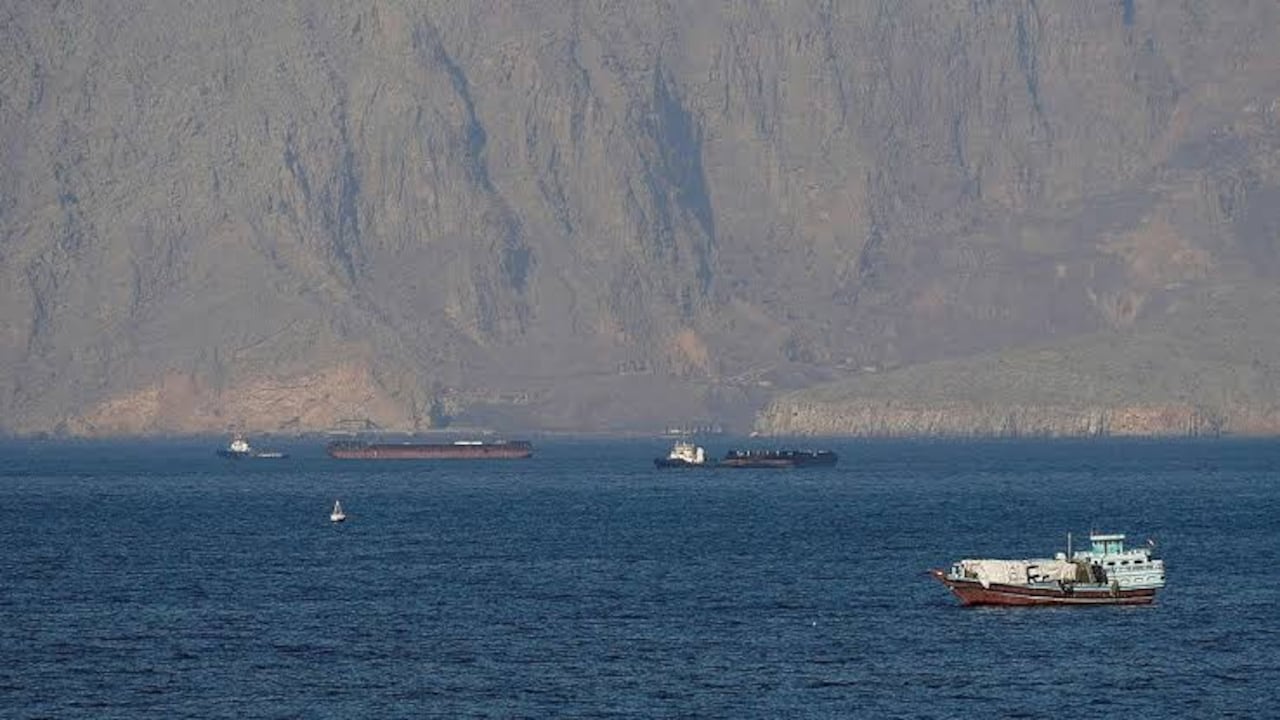
The global energy market is holding its breath over a narrow strip of water. Iran and Oman recently locked down the geographic coordinates for new shipping lanes through the Strait of Hormuz. Tehran claims a joint management framework is in its final drafting stage. Yet, the grand reopening of this vital artery isn't up to Muscat or Tehran alone. It hinges entirely on what Washington decides to do next.
If you look past the standard diplomatic statements, a high-stakes standoff is playing out. Let's break down why this emerging transit agreement matters and why the White House finds itself boxed into a corner.
The Mechanics of the Iran-Oman Hormuz Route
Under the proposed framework, maritime traffic through the gulf bottleneck would follow a strict split. Regional officials familiar with the closed-door negotiations note that commercial ships would enter the Persian Gulf via an Iranian-monitored corridor and exit through Omani-administered waters.
Tehran views this arrangement as a major strategic win. It establishes a system where fees could theoretically be charged for security and environmental preservation. For months, the shipping corridor has faced severe disruptions, soaring insurance premiums, and naval blockades following military escalation.
Oman has played its traditional role as a diplomatic bridge. Muscat wants to restore calm to regional trade without alienating Western powers. But Iranian Foreign Ministry spokesperson Esmaeil Baqaei made it clear that the official joint statement depends on whether third parties—meaning the United States—decide to obstruct the process.
Why Washington Holds the Real Veto
Tehran isn't going to flip the switch and open the strait for free. Iranian officials insist that safe navigation won't fully resume until the United States lifts its ongoing naval blockade against Iranian ports.
This creates an immediate policy dilemma for the White House. President Donald Trump has publicly warned that the strait must open immediately, threatening severe economic and military repercussions if Tehran stalls. At the same time, top administration officials like Secretary of State Marco Rubio and Treasury Secretary Scott Bessent have expressed cautious optimism that an interim deal is within reach.
Washington fundamentally opposes any arrangement that grants Iran permanent control or toll-collecting authority over an international waterway. U.S. officials maintain that transit lanes must remain neutral and free from any single nation's oversight. Accepting an Omani-Iranian joint plan looks an awful lot like endorsing Tehran's leverage in the gulf.
What This Means for Global Energy Markets
Energy traders are reacting violently to every mixed signal coming out of the Middle East. When news broke about the technical agreement on coordinates, oil prices drifted lower, reacting to the prospect of a de-escalation. But volatility remains the baseline rule.
A shutdown or restriction of the Strait of Hormuz chokes off a massive portion of the world's daily petroleum and liquefied natural gas shipments. When tankers can't move safely, fuel prices spike everywhere from Tokyo to Texas.
Here is what you need to watch as this unfolds over the coming days:
- The Lifting of Naval Restrictions: Monitor whether the U.S. military alters its enforcement of port blockades against Iran. A reciprocal step here is the only bridge across the political divide.
- The Final Joint Statement: Watch for the official release from Muscat and Tehran. If it drops without interference, a tentative ceasefire on shipping is locked in.
- Enforcement Mechanisms:* Pay attention to who actually patrols the lanes. If Iran exercises direct checkpoint authority, expect intense pushback from Western naval coalitions.
Diplomacy in the Persian Gulf rarely moves in a straight line. Technical agreements can dissolve overnight when core sovereignty questions clash with superpower demands. Keep a close eye on the ports, not just the politicians.